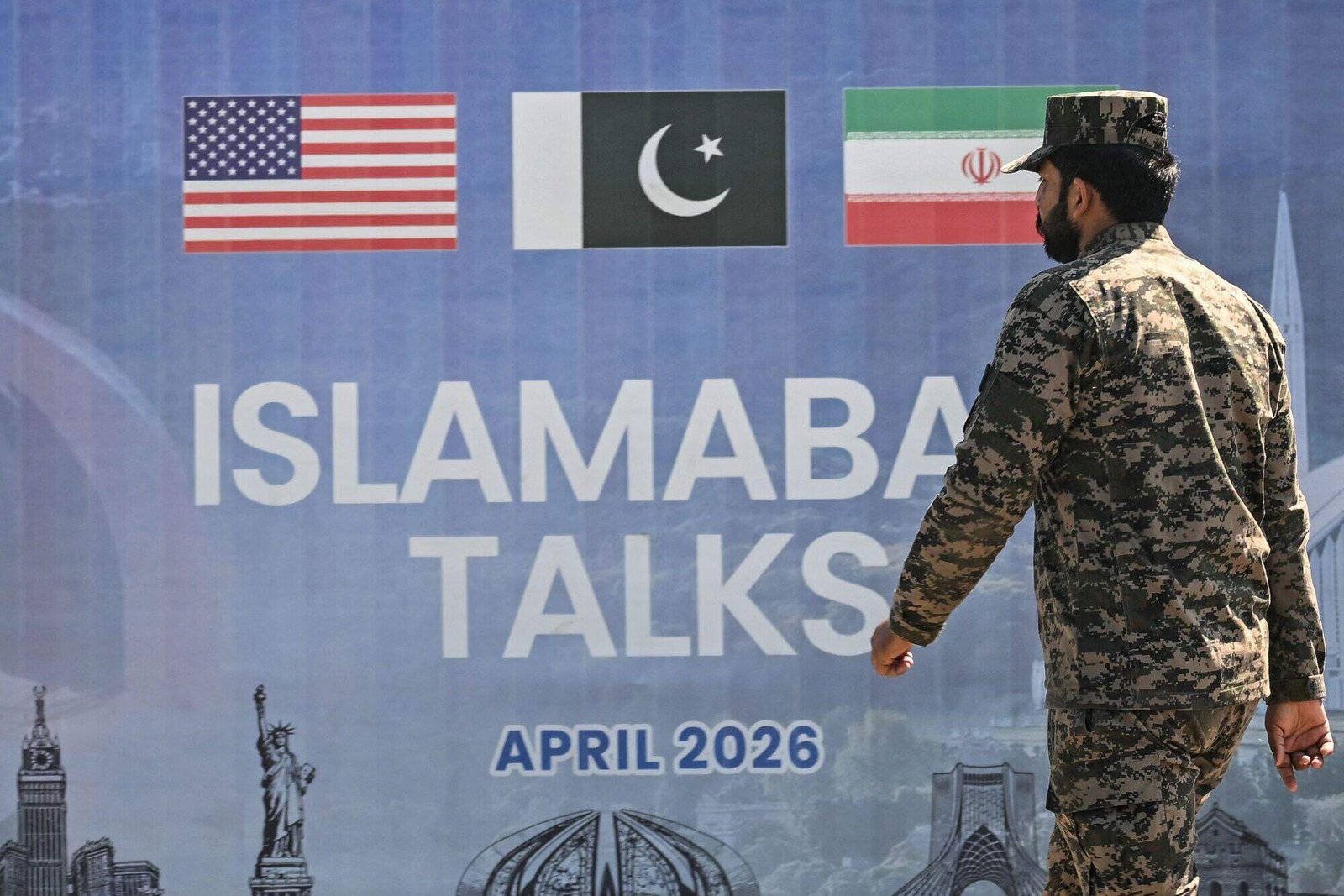
The U.S.-Iran peace talks continue to stall as conflict intensifies between both sides. These peace talks face growing obstacles as military pressure increases across the region. The U.S.-Iran peace talks also struggle due to deep political distrust.
Officials in the United States push for diplomatic engagement. However, Iranian leaders reject several key conditions. Both sides maintain firm positions on security and regional influence. As a result, negotiations fail to produce clear progress.
Tensions rise after weeks of conflict that disrupt regional stability. Military activity increases across sensitive zones. In addition, both governments strengthen public messaging against each other. This situation reduces space for compromise.
Diplomatic teams meet in several international locations. They attempt to reduce escalation and reopen communication channels. However, each round of discussion ends without agreement. Furthermore, core disputes remain unresolved.
The peace talks reflect wider geopolitical struggles in the region. Energy routes and security alliances play major roles in negotiations. Meanwhile, regional partners express concern over prolonged instability.
Economic pressure also influences decision-making. Sanctions, trade limits, and financial restrictions affect both countries. These factors complicate diplomatic flexibility. At the same time, domestic political pressure increases on both sides.
The U.S.-Iran peace talks enter a critical stage as mediators attempt new proposals. Yet both parties continue to disagree on verification mechanisms. Trust issues dominate discussions and slow momentum.
Military developments further reduce optimism. Each side responds to security incidents with stronger rhetoric. This cycle reduces chances for immediate compromise. Therefore, diplomatic urgency increases among global observers.
International actors encourage restraint and renewed dialogue. They emphasize the importance of regional stability. However, they also acknowledge the difficulty of aligning strategic interests.
The U.S.-Iran peace talks show limited progress despite continued communication. Negotiators still search for a framework that satisfies both governments. Still, neither side signals readiness for major concessions.
In conclusion, diplomatic efforts continue without resolution. The situation remains unstable and highly sensitive. The U.S.-Iran peace talks continue to shape regional expectations.