
Americans are receiving substantially larger tax refunds this year compared to 2025. New tax code changes aim to boost the economy by putting more money in people’s pockets. The average federal tax refund currently stands at $3,742, according to IRS data. This represents a significant 10.6 percent increase from last year’s average refund amount. For millions of households, this refund represents their largest single cash infusion annually.
Consumers typically use this money for paying down debt or making major purchases. They also often deposit funds into savings accounts for future financial security. This widespread influx of cash creates positive ripple effects across the entire economy. Retailers anticipate increased spending when refunds arrive in bank accounts. The economic boost usually benefits multiple sectors simultaneously.
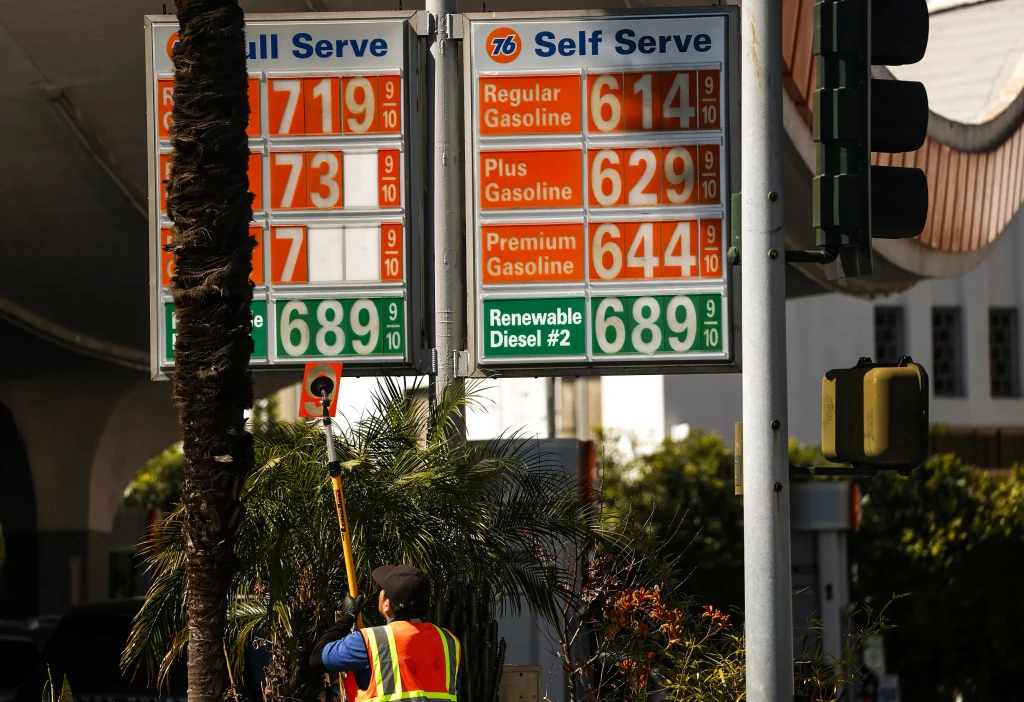
The ongoing war with Iran has caused oil prices to skyrocket dramatically in recent weeks. Gas prices have jumped approximately 72 cents per gallon since last month. The national average for unleaded gasoline now sits at $3.64 per gallon. Diesel costs are rising similarly, affecting shipping and transportation expenses nationwide. These increases directly impact household budgets across every income level.
Higher gas prices mean families spend considerably more on commuting to work. They also face increased costs for groceries due to transportation surcharges. This leaves less disposable income for restaurants, travel, and entertainment purchases. The economic benefit of larger refunds could be completely offset by energy costs. Consumers find themselves caught between positive tax news and negative fuel expenses.
Economists warn that rising energy costs could reignite inflationary pressures nationwide. Paul Dietrich from Wedbush Securities explains that oil impacts far exceed just gasoline. Higher diesel prices increase costs for shipping virtually all consumer goods. This creates a cascade of price increases throughout the supply chain. Basic household living expenses climb as transportation costs rise.
Brent Schutte from Northwestern Mutual notes that inflation embers still glow in the economy. Energy increases have significant potential to raise inflation expectations among consumers. This could force interest rates higher to combat renewed inflationary pressures. The Federal Reserve may need to respond with additional rate adjustments. Consumers face the prospect of extended economic uncertainty.

