
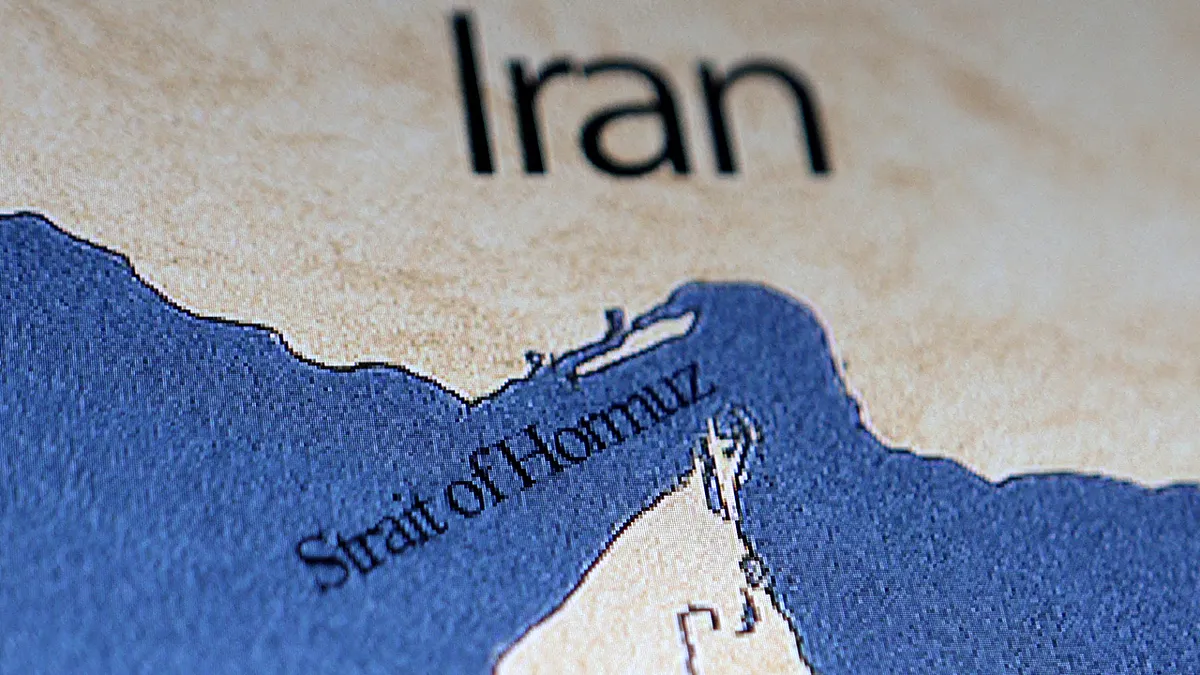
Hormuz shipping crisis tensions surged Sunday after U.S. and Israeli strikes on Iran triggered maritime attacks and electronic interference. Hormuz shipping crisis fears deepened as commercial vessels reported explosions, fires, and navigation disruptions along critical energy corridors. However, Hormuz shipping crisis developments now threaten global oil flows as shipping companies reroute services away from danger zones.
The escalation followed Operation Epic Fury, which targeted Iranian leadership and military infrastructure. Maritime authorities had already warned vessels to avoid the Persian Gulf, the Gulf of Oman, and the Arabian Sea. Officials described those waterways as high-risk areas due to intensifying regional hostilities.
The Strait of Hormuz quickly became a flashpoint as multiple vessels reported attacks. The United Kingdom Maritime Trade Operations documented several incidents classified as hostile actions. Regional maritime agencies confirmed explosions and projectile impacts affecting commercial ships.
One vessel west of Sharjah in the United Arab Emirates sustained damage after a projectile detonated nearby. Another tanker north of Muscat in Oman suffered a strike above the waterline that ignited a fire. Crews managed to contain the blaze, but authorities increased alerts across the surrounding waters.
Meanwhile, maritime intelligence firm Windward reported widespread GPS and Automatic Identification System interference. Analysts said more than one thousand vessels experienced navigation disruptions near Iran’s Bandar Abbas port. Some ships appeared digitally displaced to inland sites, including airports and industrial facilities.
Security experts warned that electronic warfare compounds physical risks for vessels attempting safe passage. Shipping operators increasingly switch off AIS signals or alter routes to avoid exposure. Traffic through the narrow corridor has thinned as tanker captains reassess transit plans.
Major container carrier Maersk announced service adjustments to protect crews and cargo. Industry leaders stressed that roughly twenty percent of global oil and gas exports transit the passage. Any sustained disruption could therefore ripple through global energy markets.
Additionally, threats expanded beyond Hormuz as Yemen’s Houthis signaled possible renewed attacks in the Red Sea. Analysts cautioned that retaliatory strikes could target vessels linked to U.S. or Israeli interests. Maritime groups also warned of risks near the Bab el Mandeb Strait and the Gulf of Aden.
Despite escalating tensions, authorities reported no confirmed attempts to close the strait using naval mines. However, experts emphasized that conditions could shift rapidly with little warning. As the Hormuz shipping crisis unfolds, global markets watch closely for signs of prolonged instability.

