
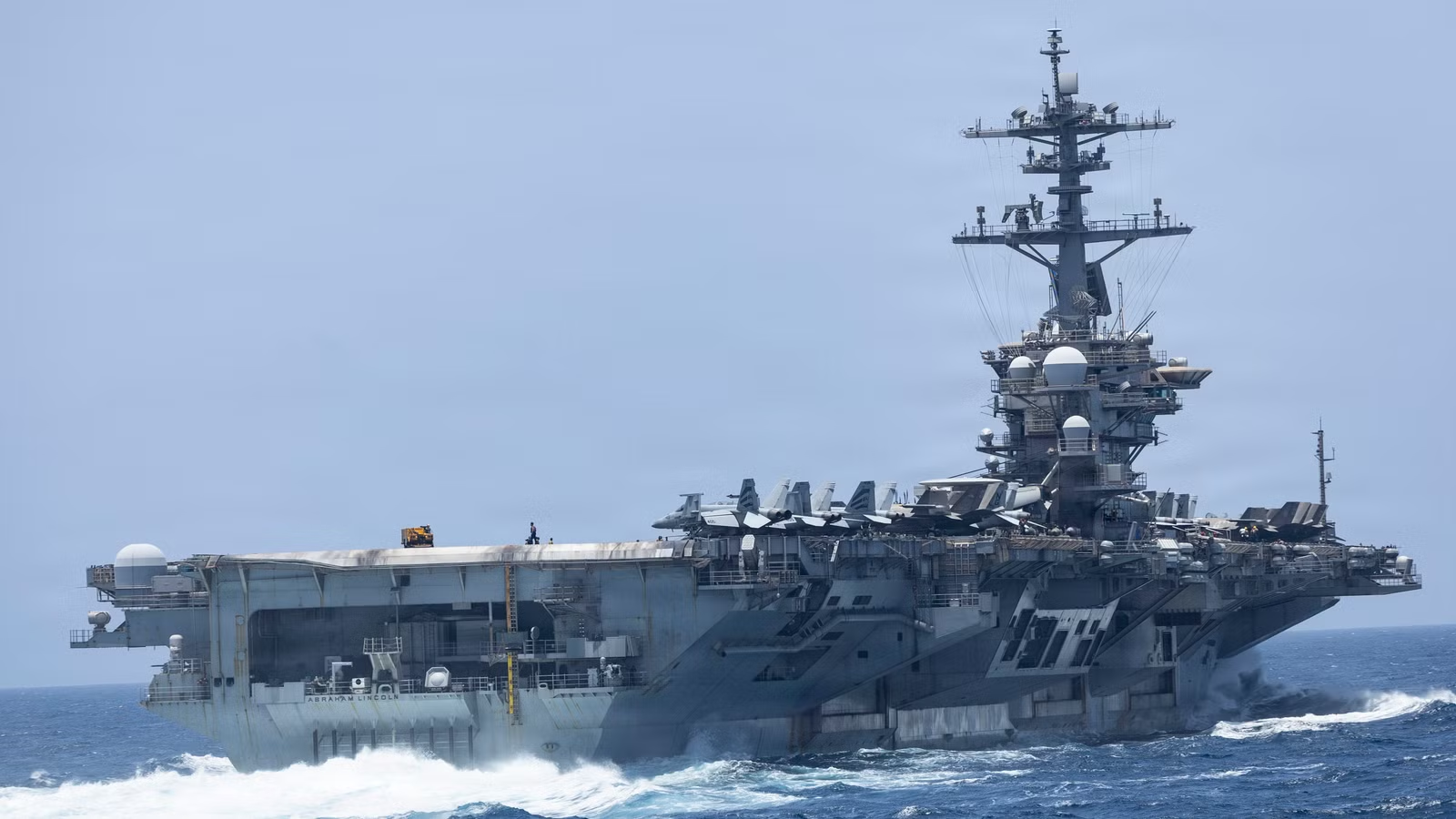
Lincoln’s Return has begun as the USS Abraham Lincoln sails toward home after an extended Middle East deployment. The American aircraft carrier passed Singapore early Sunday while traveling through waters near the island nation. The warship is expected to make a scheduled stop in Thailand before continuing toward its home base.
The carrier traveled through the Singapore Strait during the early morning hours. Observers on Indonesia’s Batam island spotted the vessel as it moved through nearby waters. The ship passed the area shortly after 1 a.m. local time, according to reports.
The USS Abraham Lincoln ranks among the largest and most powerful vessels operated by the United States Navy. During its latest deployment, the carrier supported American military operations connected to the conflict with Iran. The mission kept the ship at sea for an unusually long period.
The deployment lasted more than 250 consecutive days without a significant break. Consequently, the extended mission placed considerable demands on the carrier’s crew and operational resources. The lengthy schedule also attracted attention because of concerns surrounding the sailors’ working conditions.
Reports have raised questions about the physical and mental strain created by such an extended deployment. In particular, concerns emerged about deteriorating mental health among some members of the crew. Additionally, reports highlighted shortages involving food and personal hygiene supplies during the mission.
Nevertheless, the carrier continued its assigned operations throughout the deployment. Its prolonged presence demonstrated the demands placed on major naval forces during periods of heightened regional tensions. Meanwhile, the vessel maintained its route toward Southeast Asia as the deployment approached its conclusion.
Lincoln’s Return will include a planned stop in Thailand before the carrier travels back to its American base. Thai officials expect the port visit to provide sailors with an opportunity to rest and recover. The visit should also allow the crew to address some needs following months of continuous operations.
Port visits can provide important opportunities for military crews after lengthy deployments. Sailors can rest, purchase essential supplies and reconnect with familiar surroundings during these stops. Furthermore, maintenance teams can inspect equipment and prepare vessels for the remaining journey.
The carrier’s passage near Singapore also highlights the importance of Southeast Asian waterways. The Singapore Strait serves as a major maritime route connecting important shipping areas. Therefore, the movement of a large American aircraft carrier through those waters attracts considerable attention.
The USS Abraham Lincoln’s latest mission also reflects continuing American military involvement in the Middle East. The carrier supported operations during a period of significant regional instability. However, its journey home signals a transition away from that extended deployment.
The crew now faces a different phase following months of demanding operational activity. Rest and recovery will become important priorities during the upcoming port visit. At the same time, Navy officials will likely assess the ship’s condition before its final return.
Lincoln’s Return represents the conclusion of one of the carrier’s longest recent deployments. The more than 250-day period at sea created substantial challenges for both sailors and equipment. Consequently, the planned stop in Thailand provides an important opportunity before the vessel reaches its home base.
The carrier’s journey also demonstrates how military deployments can extend far beyond their original expectations. Regional conflicts and changing security conditions can require naval forces to remain deployed longer. For the USS Abraham Lincoln, that prolonged mission has now entered its final stage.
As the carrier continues toward Thailand, attention will focus on the crew’s recovery. Eventually, the ship will return to its American base after completing the final stages. The journey marks an important transition from sustained overseas operations toward recovery and preparation.

