
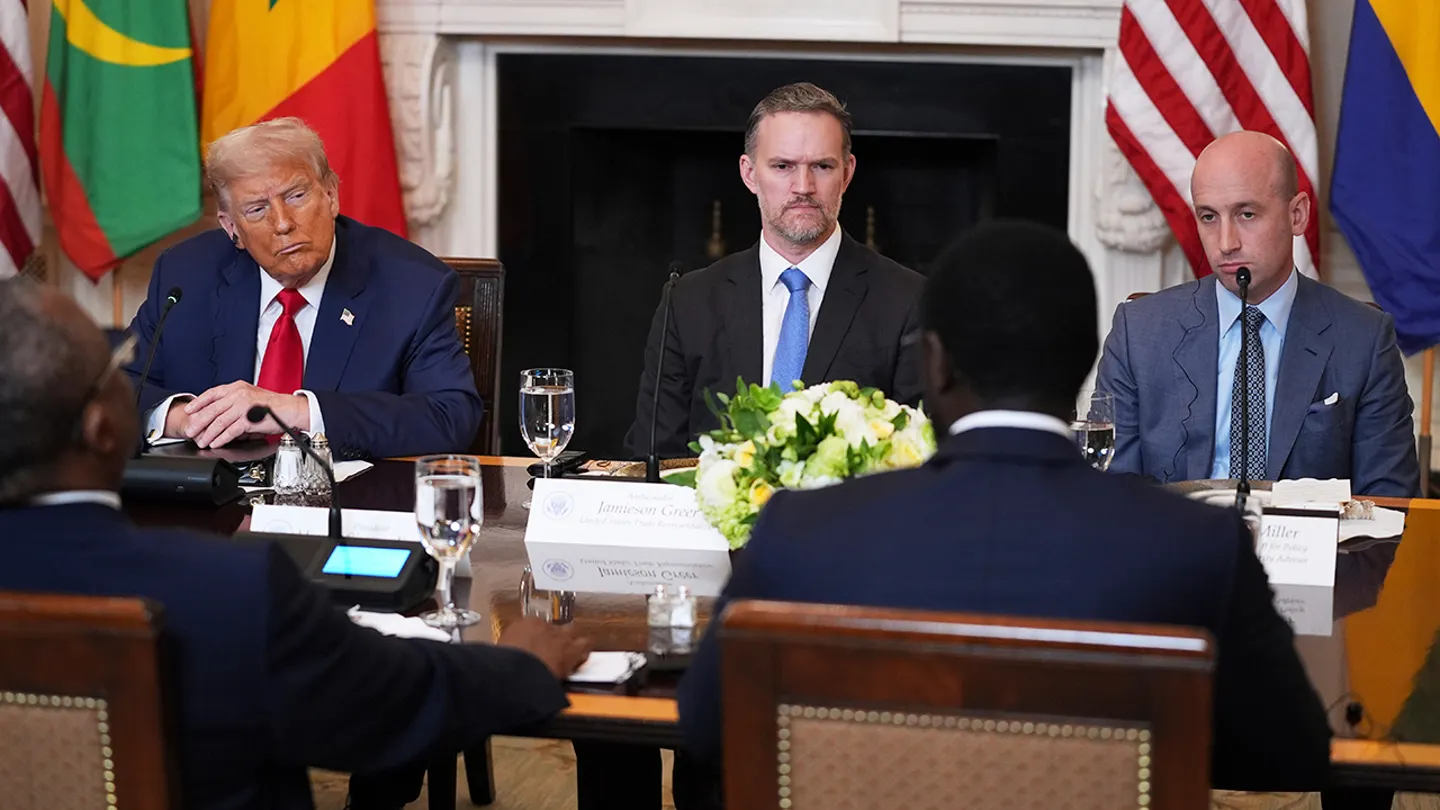
Canada Tariffs have reached 50% on roughly $20 billion of Canadian imports after trade negotiations between Washington and Ottawa collapsed. U.S. Trade Representative Jamieson Greer said Canada rejected what he described as a favorable potential agreement.
Greer said the United States had offered Canada improved terms covering several politically sensitive industries. Those proposals reportedly included lower duties involving steel, automobiles, lumber, and other Canadian exports.
However, Canadian Prime Minister Mark Carney suspended negotiations late Friday after accusing Washington of changing proposed terms. He subsequently announced that Canada would respond with matching tariffs against American products.
Carney said Canada would impose reciprocal measures to protect domestic workers and businesses. Meanwhile, he argued that Washington’s broader tariff strategy had fundamentally changed the relationship between the neighboring countries.
According to Greer, the United States wanted to encourage Canadian companies to maintain production while reducing barriers against American goods. Nevertheless, Canadian officials decided against accepting the proposed arrangement and ended the latest round of discussions.
As a result, no additional trade negotiations currently appear on the schedule between Washington and Ottawa. Greer said restarting talks remains uncertain, although circumstances could eventually create an opportunity for renewed discussions.
The trade representative defended the administration’s approach by emphasizing American manufacturing and domestic employment. He argued that the government’s tariff strategy seeks to encourage companies to produce more goods within the United States.
Furthermore, Greer identified Canada and China as countries that have retaliated against American trade measures. He said the administration intends to respond to those actions while continuing its effort to strengthen domestic supply chains.
The latest Canada Tariffs increase therefore represents another significant escalation between two major trading partners. Both countries now face additional costs and uncertainty as businesses adjust to the changing trade environment.
Canadian officials have framed their response as necessary to defend national economic interests. At the same time, Washington maintains that reducing foreign trade barriers remains essential for protecting American workers.
Carney said Canada would no longer simply return to its previous economic relationship with the United States. Instead, he argued that Ottawa must develop a more independent approach to international commerce.
The Canadian government also emphasized the country’s economic importance to global markets. Carney said Canada possesses resources and products sought by countries around the world.
Meanwhile, the tariff dispute could affect companies operating across industries that depend heavily on cross-border trade. Manufacturers, suppliers, retailers, and consumers could all face consequences if higher duties continue.
Greer did not provide a timeline for potential negotiations or indicate when discussions might restart. Instead, he said Washington would proceed with measures responding to Canada’s retaliatory actions.
The dispute comes as the Trump administration continues pursuing a broader strategy focused on tariffs and domestic production. Consequently, Canada now faces increased trade costs while American businesses prepare for possible retaliatory effects.
For now, Canada Tariffs remain at the center of the escalating economic dispute between Washington and Ottawa. The next steps will depend largely on whether either government seeks renewed negotiations or continues imposing additional trade measures.