
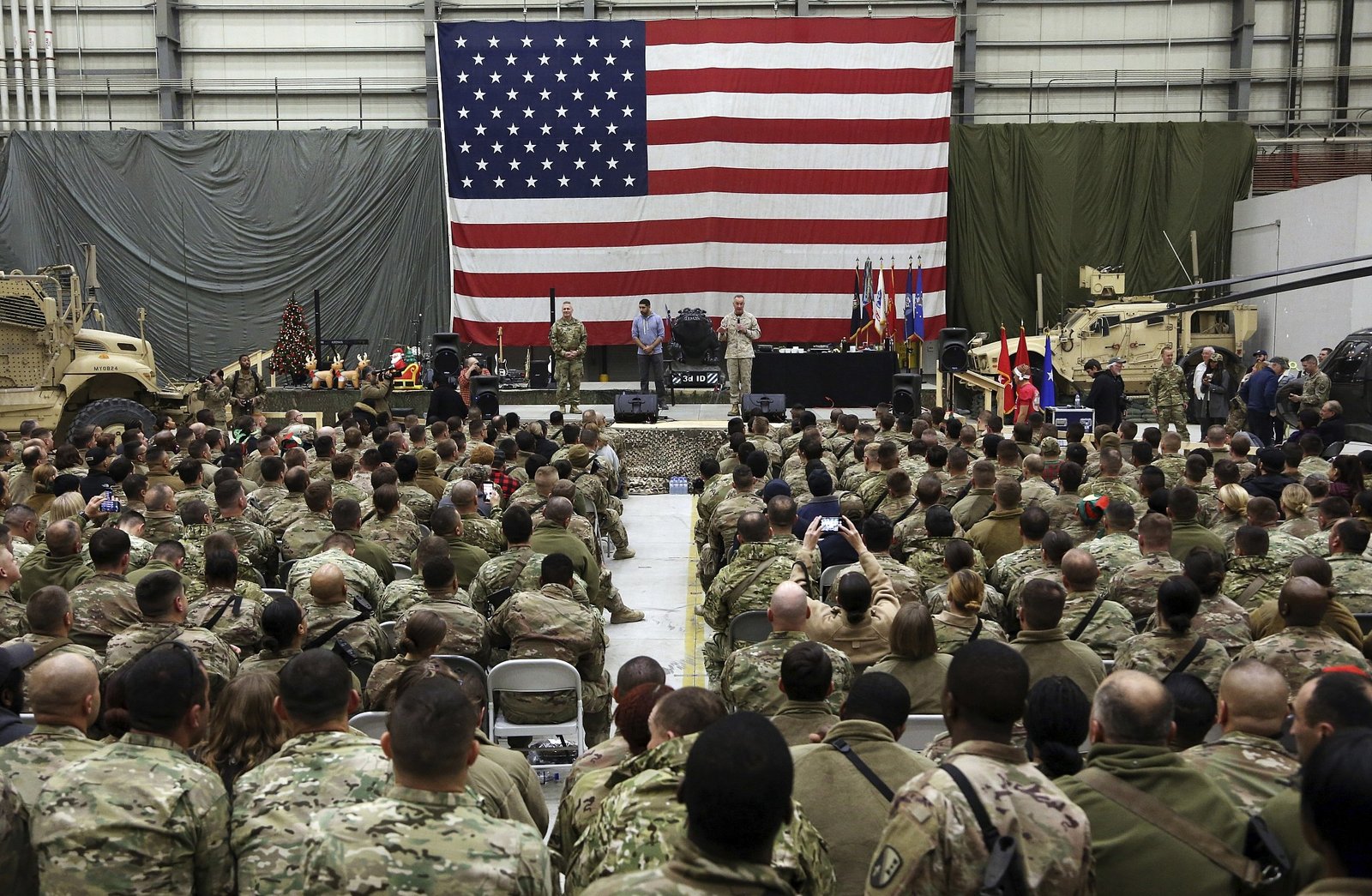
Troop relocation plan discussions intensified after President Donald Trump suggested moving American troops from Germany to Poland. Troop relocation plan considerations come as the Pentagon prepares to reduce U.S. military presence in Germany. Furthermore, troop relocation plan debates highlight growing strategic adjustments within NATO’s eastern and central European defense posture.
Trump stated that he “might” support transferring troops if Poland expresses continued willingness to host additional forces. He emphasized strong relations with Polish leadership while speaking to journalists during recent public remarks. Additionally, he noted that discussions remain ongoing regarding broader adjustments to U.S. military deployments in Europe.
The Pentagon recently confirmed plans to withdraw approximately five thousand American soldiers from bases located in Germany. Officials linked the decision to evolving strategic priorities and ongoing reassessment of overseas military distribution. Moreover, additional reductions remain possible depending on future defense planning outcomes.
Polish leaders responded positively to the possibility of receiving additional American troops on their territory. President Karol Nawrocki indicated readiness to host forces and strengthen cooperation with the United States military leadership. Furthermore, he expressed intentions to engage directly with U.S. officials regarding potential deployment changes.
However, Polish Prime Minister Donald Tusk urged caution regarding efforts to attract troops from allied nations. He warned that competing for allied military presence could create diplomatic tension within NATO partnerships. Additionally, he stressed the importance of maintaining unity among member states during ongoing security challenges.
Troop relocation plan discussions also reflect broader concerns about NATO’s eastern flank security and regional stability. Poland continues expanding its defense capabilities while hosting significant allied military infrastructure within its borders. Moreover, defense officials highlight the country’s strategic position near areas of heightened geopolitical tension.
U.S. and Polish defense cooperation has strengthened in recent years through joint exercises and expanded military agreements. Officials on both sides emphasize continued commitment to collective defense and regional deterrence strategies. Furthermore, military cooperation includes rotational deployments and advanced training operations across allied bases.
Troop relocation plan considerations remain under evaluation as policymakers assess security requirements across Europe. Analysts suggest that any movement of forces will depend on diplomatic coordination and strategic necessity. Additionally, military planners continue reviewing infrastructure readiness in both Germany and Poland.
Polish defense officials welcomed signals suggesting increased American military presence within their national borders. They argue that such deployments would reinforce NATO security commitments and improve regional defense readiness. Moreover, they highlight ongoing investments in military infrastructure to support allied forces effectively.
The situation remains fluid as discussions continue between U.S. and European defense leaders regarding future troop positioning. Authorities expect further consultations to shape final decisions on military deployments across the region. Ultimately, troop relocation plan debates reflect evolving security priorities within the NATO alliance framework.

