Trump announces new drug pricing agreements with nine pharmaceutical companies as his administration targets lower healthcare costs. The latest agreements expand an effort that began with larger pharmaceutical companies last year.
The companies involved include Astellas, BeOne Medicines, CSL, BridgeBio, Sun Pharmaceutical, Teva, and UCB. Several smaller biotechnology companies also joined the latest group of participating drugmakers.
Under the agreements, participating companies will provide certain medicines to state Medicaid programs at prices linked to those paid overseas. The approach follows the administration’s broader effort to reduce differences between American drug prices and international costs.
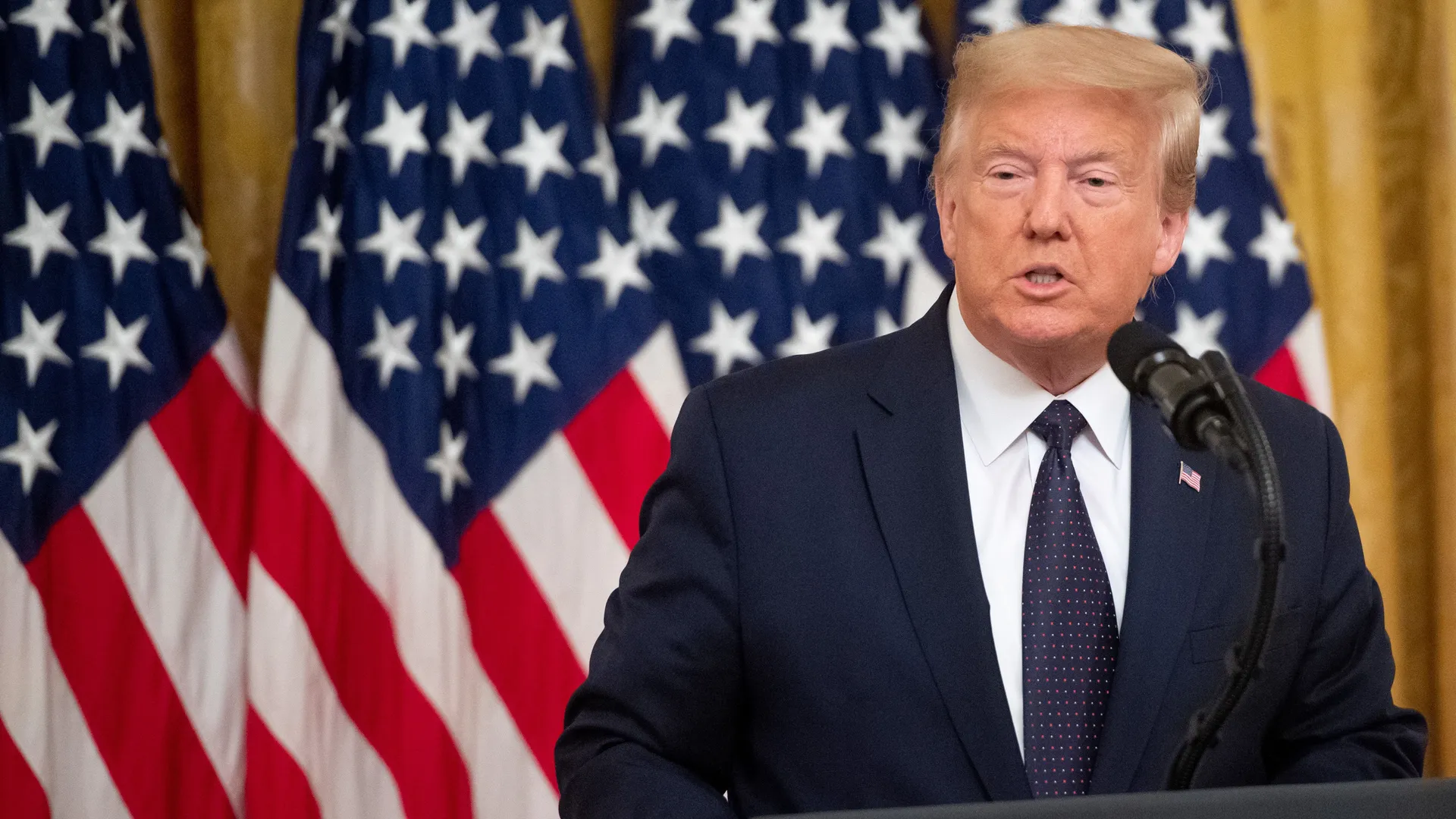
Trump announced the agreements during an event at the Oval Office with executives representing participating pharmaceutical companies. He said the arrangements would provide substantial discounts and could eventually reduce medical expenses for American patients.
Prescription drug prices remain significantly higher in the United States than in many other developed countries. Consequently, the administration has pressured pharmaceutical manufacturers to offer prices closer to international levels.
The latest agreements also expand arrangements reached with 17 major pharmaceutical companies since last year. Those earlier agreements included several prominent manufacturers with large operations across the American healthcare market.
Under those arrangements, companies agreed to lower selected prices for federal health programs. Additionally, some manufacturers agreed to provide medicines directly to consumers through a government-supported purchasing platform.
In exchange, participating companies received relief from certain tariffs affecting their businesses. Therefore, the agreements combine pricing commitments with broader trade and healthcare policy objectives.
However, smaller and medium-sized pharmaceutical companies initially showed less interest in joining the program. Executives at some companies questioned whether participating would provide enough financial benefits to justify the arrangements.
That hesitation created uncertainty around the administration’s ability to expand its pricing strategy beyond the industry’s largest manufacturers. Nevertheless, the latest announcement shows that more companies are now participating.
The financial impact of the new agreements remains unclear because officials have not provided detailed savings estimates. Medicaid already receives significant discounts on prescription medicines under existing federal requirements.
Furthermore, many Medicaid beneficiaries already pay relatively small amounts for covered prescriptions. As a result, the new arrangements may affect government spending more significantly than individual out-of-pocket costs.
The administration has promoted the agreements as part of a broader campaign focused on healthcare affordability. Meanwhile, the White House has highlighted its pharmaceutical initiatives ahead of the 2026 midterm elections.
Officials have estimated that the wider drug-pricing strategy could reduce federal and state spending substantially. However, those projections remain uncertain because the administration has not established the final financial impact.
The latest Drug Pricing agreements therefore represent another step in Trump’s effort to reshape pharmaceutical costs. Still, patients and government programs will need more time to determine the agreements’ actual savings.
Overall, the initiative focuses on reducing prescription costs while encouraging pharmaceutical companies to participate in international pricing arrangements. The administration now faces the challenge of demonstrating that these agreements deliver measurable savings.
The new Drug Pricing agreements also reinforce Trump’s broader healthcare affordability message before voters head to the polls. Their eventual effect will depend on implementation, participation, and the actual prices available to patients.