
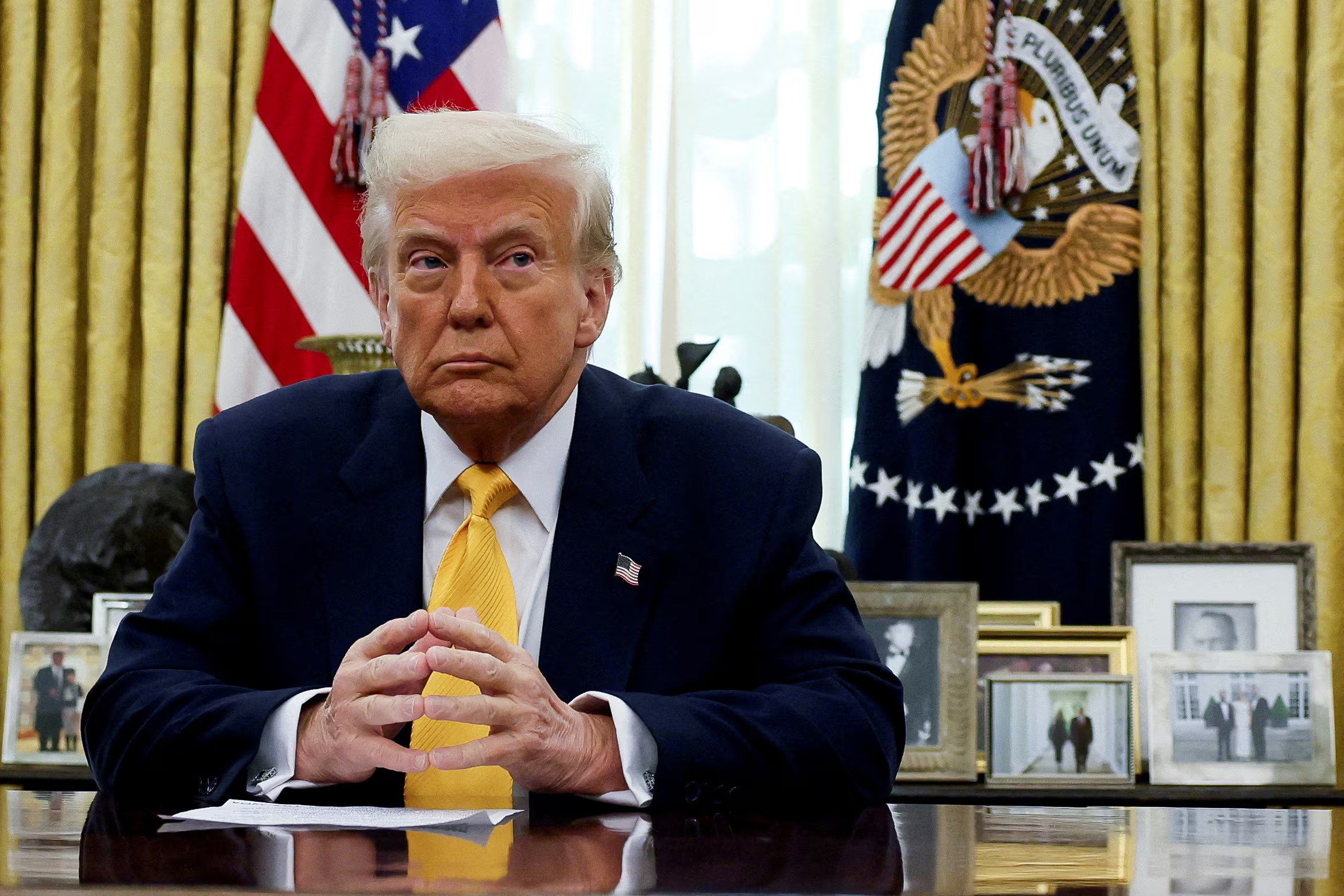
The DC projects continue to shape major renovations across Washington as federal leaders advance multiple infrastructure and design initiatives. DC projects guide changes affecting parks, memorials, and government buildings throughout the capital. Furthermore, DC projects influence ongoing discussions between federal agencies, preservation groups, and local officials regarding urban development.
President Donald Trump continues overseeing several renovation efforts involving public spaces and federal properties across Washington. He recently visited the Lincoln Memorial Reflecting Pool to observe ongoing improvements and design updates. Additionally, he highlighted goals focused on modernization, maintenance, and public presentation of national landmarks.
Meanwhile, officials continue work related to East Potomac Park, where planning discussions focus on redesigning recreational facilities. Authorities examine proposals that aim to enhance accessibility, infrastructure quality, and visitor experience within the area. Consequently, multiple agencies coordinate assessments to ensure compliance with environmental and historical guidelines.
DC projects also include renovation planning for federal buildings and public spaces across the capital region. Government teams review cost estimates, structural updates, and long-term maintenance requirements for various facilities. Furthermore, planners evaluate security enhancements alongside improvements to public use and transportation access.
Supporters of these initiatives emphasize infrastructure renewal and long-term investment in national landmarks and civic spaces. They also point to modernization efforts intended to improve safety, efficiency, and visitor engagement across Washington. Additionally, officials describe these projects as part of broader efforts to maintain federal property standards.
At the same time, preservation organizations and local representatives participate in discussions regarding design changes and regulatory oversight. They review project proposals to ensure alignment with historical preservation standards and urban planning regulations. Moreover, coordination continues between federal agencies and local authorities to manage development timelines.
DC projects remain under review as officials assess environmental impact, cost projections, and public access considerations. Planning agencies continue gathering input from multiple stakeholders to refine design and implementation strategies. Therefore, ongoing consultations aim to balance modernization goals with preservation priorities and community needs.
Public response varies as residents, officials, and advocacy groups express different perspectives on renovation priorities. Some emphasize improved infrastructure and updated facilities, while others focus on preservation and historical continuity. Meanwhile, surveys and public forums continue capturing feedback on proposed changes.
Federal representatives state that DC projects aim to enhance functionality, security, and presentation of national landmarks. They also highlight planning efforts designed to manage costs and improve long-term maintenance outcomes. Additionally, agencies continue evaluating phased implementation strategies for ongoing developments.
Local officials participate in discussions regarding how renovations affect city management and public access. They work alongside federal agencies to address transportation, zoning, and environmental considerations during construction phases. Furthermore, coordination efforts aim to maintain consistent communication throughout project development.
DC projects remain active across multiple sites as planning, construction, and review processes continue in Washington. Authorities maintain focus on infrastructure improvement while engaging stakeholders in ongoing decision-making discussions. Ultimately, project planning continues through collaborative efforts involving federal, local, and preservation groups.

