
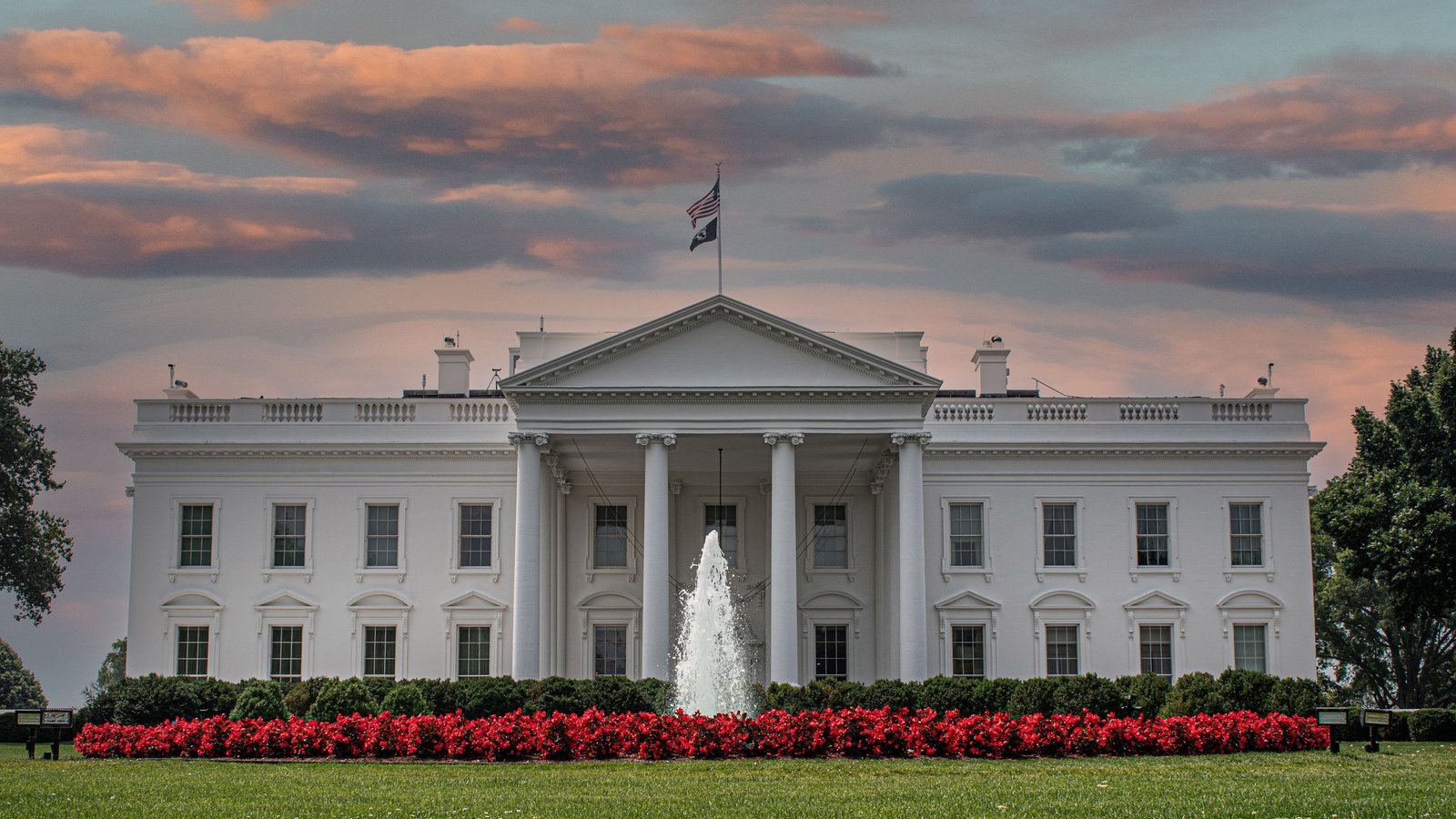
The AI regulation plan from the White House urges Congress to adopt a unified national approach to artificial intelligence. This AI regulation plan aims to prevent fragmented state laws while encouraging innovation across the United States technology sector. Officials argue the AI regulation plan will balance growth, safety, and competitiveness in the global artificial intelligence race.
The White House released a legislative blueprint that encourages Congress to limit strict state-level AI regulations. It calls for preempting laws that officials believe could slow down the development and deployment of new AI systems. Moreover, the proposal emphasizes a federal framework designed to replace inconsistent rules across different states.
The AI regulation plan highlights several priorities, including child safety, energy costs, and intellectual property protection. It also promotes transparency, anti-censorship protections, and broader public education on artificial intelligence tools and usage. Officials believe these goals will help lawmakers create balanced legislation that supports innovation and public trust.
Republican leaders in the House quickly supported the framework and expressed willingness to advance discussions in Congress. However, lawmakers acknowledged that passing comprehensive legislation will require cooperation between both political parties. Therefore, negotiations between Republicans and Democrats will likely shape the final version of any national AI law.
The AI regulation plan responds to growing concerns about states creating separate and conflicting artificial intelligence rules. Several states have already implemented regulations covering transparency, discrimination prevention, and responsible AI use in public services. Supporters of the federal approach argue that inconsistent rules could create confusion for companies operating nationwide.
At the same time, critics warn that reducing state authority may weaken protections for consumers and workers. Some lawmakers argue that stronger accountability measures must exist before companies deploy advanced artificial intelligence systems widely. Consequently, debates continue over how to balance innovation with public protection in rapidly evolving technology markets.
The AI regulation plan also addresses concerns about energy consumption linked to large AI data centers. Officials suggest that companies should invest in infrastructure solutions to reduce pressure on electricity grids. Additionally, the framework encourages responsible expansion of AI infrastructure across regions with sufficient capacity.
Another key issue involves copyright law and how AI systems use training data from creative works. The proposal suggests courts should decide ongoing disputes between technology companies and content creators. Meanwhile, industry groups support this approach because it provides legal clarity for model training practices.
State leaders from California, Texas, Colorado, and Utah continue defending their right to regulate artificial intelligence locally. They argue that local governments understand regional needs better than federal policymakers in Washington. Therefore, tensions remain high between federal ambitions and state-level regulatory independence across the country.
The AI regulation plan ultimately seeks to create a unified national strategy for artificial intelligence governance. Lawmakers continue debating how to structure rules that protect citizens while supporting technological leadership globally. As discussions progress, the future of artificial intelligence regulation remains uncertain but highly consequential.

