
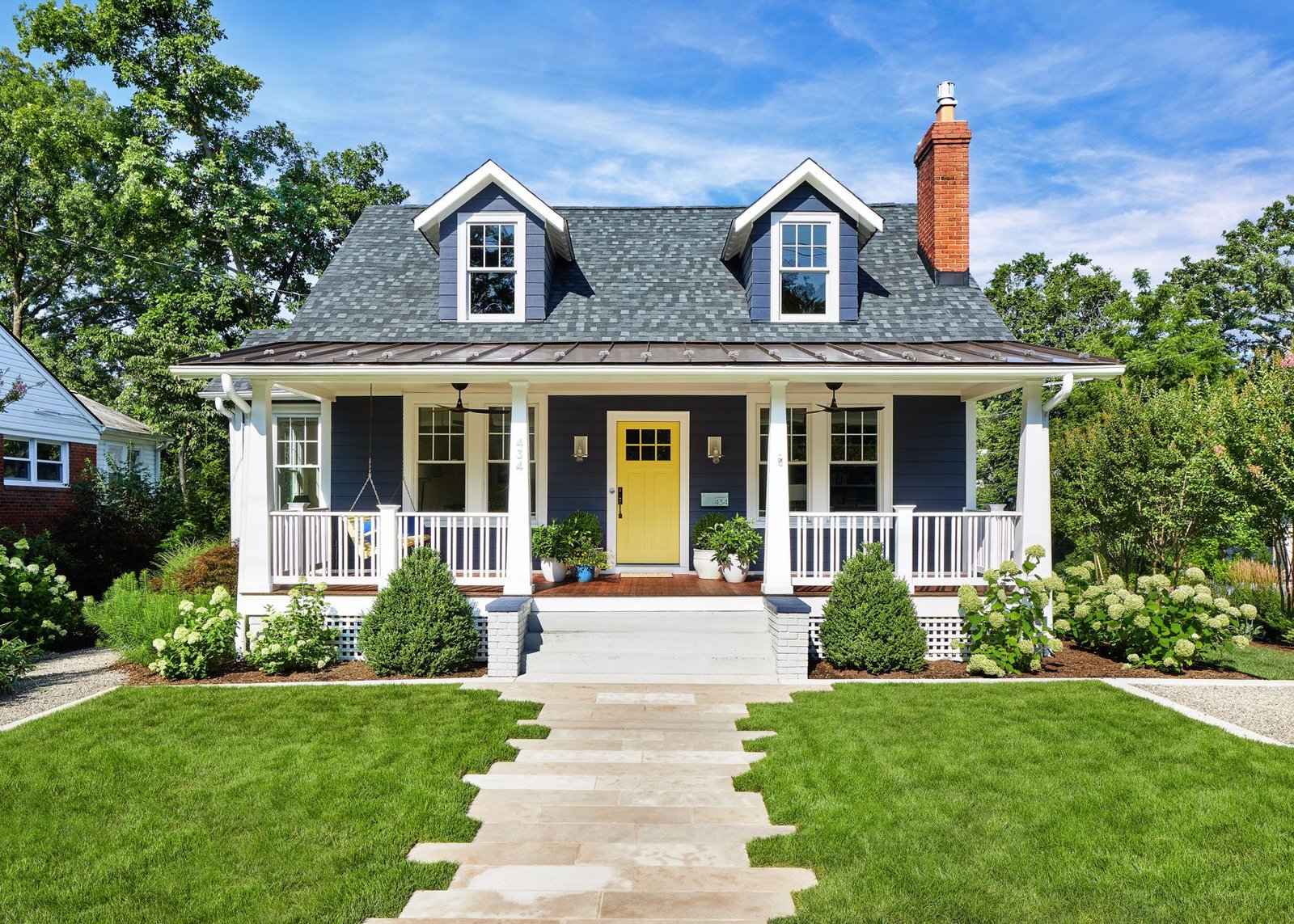
Starter Home Affordability has shown gradual improvement across several U.S. housing markets, although many first-time buyers still face significant financial challenges. Higher mortgage rates, rising home prices, and limited inventory continue affecting affordability despite recent gains in available listings.
The typical price of a starter home has increased considerably since 2019. Average prices climbed from approximately $256,000 before the pandemic to around $344,000 today. Consequently, many households now need greater financial resources before purchasing their first property.
Affordability has also declined because fewer homes remain available below the $350,000 price level. Previously, more than half of listed homes fell within that price range. Today, affordable listings represent a much smaller share of the housing market.
Higher borrowing costs have further increased financial pressure for first-time buyers. The annual income required to qualify for a typical starter home has risen from roughly $43,000 to approximately $78,000. Unfortunately, wage growth has not matched those rising qualification requirements.
Monthly mortgage payments have also increased dramatically compared with conditions before the pandemic. Buyers now face housing costs that exceed previous payment levels by more than 80 percent. As a result, many households continue delaying homeownership.
Housing economists say the starter home market has changed substantially during recent years. Rising mortgage rates and limited housing inventory remain the primary factors influencing current affordability conditions. Those challenges continue affecting buyers across most regions.
Many lower-income households now struggle to qualify for mortgage financing. Consequently, higher-income buyers represent a growing share of first-time home purchases. This shift has changed the overall profile of today’s entry-level homebuyer.
The average age of first-time buyers has also increased in recent years. Many Americans now purchase their first home around the age of forty instead of entering the housing market much earlier.
Additionally, more families are adopting different financial strategies before buying property. Some households continue living with parents longer, while others combine financial resources with family members or relocate to more affordable communities.
Even with these challenges, recent market trends show encouraging signs of improvement. Inventory of starter homes has increased significantly compared with levels recorded during 2022. More available homes provide buyers with additional choices in several housing markets.
Starter home prices have also declined modestly from their recent peak levels. Although prices remain much higher than before the pandemic, this adjustment has slightly improved purchasing opportunities for some households.
New residential construction has played an important role in increasing available inventory. Homebuilders have expanded development activity across several fast-growing regions, particularly throughout the southern United States. Additional construction has helped ease supply shortages in those markets.
However, many existing homeowners continue delaying property sales because they hold lower mortgage interest rates. Selling their homes would require financing another purchase at much higher borrowing costs. Consequently, resale inventory remains relatively limited nationwide.
Regional housing conditions continue varying across different parts of the country. Southern states currently show some of the strongest affordability improvements because builders have increased housing supply while buyer demand has stabilized.
Several western markets have also experienced price corrections during recent years. However, those improvements remain concentrated in selected metropolitan areas instead of spreading across the entire region.
Meanwhile, the Midwest continues offering relatively affordable housing compared with other regions. Nevertheless, home prices there have continued increasing, gradually reducing the area’s long-standing affordability advantage.
The Northeast remains the most challenging region for many first-time buyers. Home prices continue rising while the number of affordable listings has declined considerably since the pandemic.
Starter Home Affordability continues improving slowly as additional inventory reaches the market and prices stabilize in selected regions. Nevertheless, higher mortgage rates and elevated home prices remain significant obstacles for many Americans seeking their first home.