
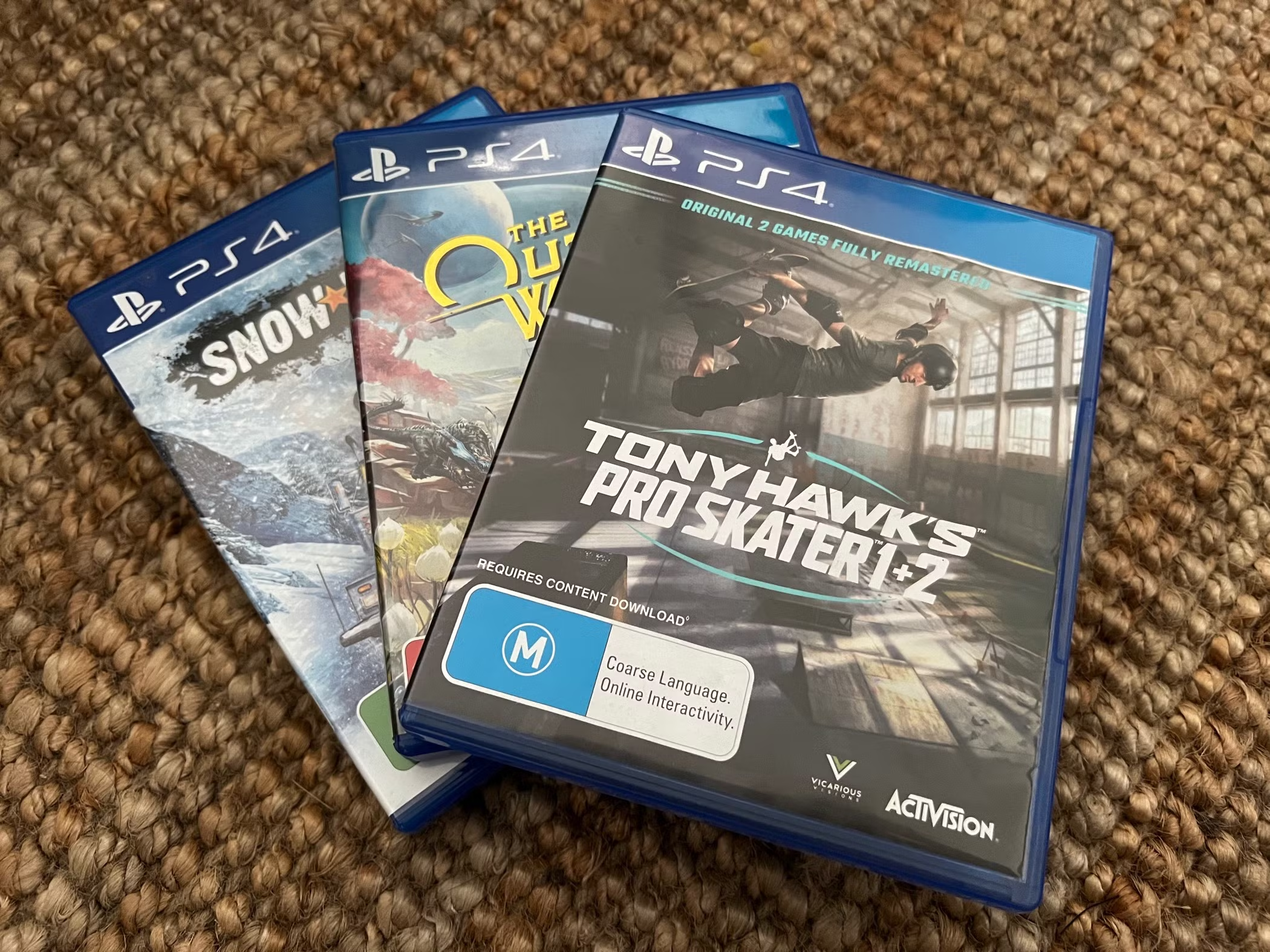
Digital PlayStation Games will become the standard for new PlayStation releases beginning in 2028, marking a major shift for Sony’s gaming business. The company plans to stop producing physical discs for newly released PlayStation titles after the end of 2027. As a result, future retail editions will include download codes instead of traditional game discs.
The decision represents one of Sony’s biggest changes since the PlayStation 4 era. More than a decade ago, the company promoted physical game ownership as a key advantage for players. At that time, Sony emphasized that gamers could freely lend, trade, sell, or permanently keep their purchased game discs.
However, the upcoming strategy moves the PlayStation platform toward a fully digital distribution model. Consequently, players purchasing future releases will download games directly through the PlayStation Store instead of installing content from physical media.
Sony expects the transition to improve operating efficiency while reducing manufacturing and distribution expenses. Eliminating discs, packaging, and shipping requirements could lower production costs across future game releases. In addition, digital sales generally generate stronger profit margins because publishers avoid retail manufacturing expenses.
Industry analysts also believe the company will gain greater control over pricing and digital distribution. Digital storefronts allow publishers to manage promotions, discounts, and product availability without depending on physical inventory. Therefore, Sony could strengthen long-term digital revenue through direct game sales.
Many players, however, continue expressing concerns about the loss of physical ownership. Traditional game discs allow customers to lend titles to friends or family members. Players can also resell completed games or trade them toward future purchases. Digital downloads do not offer those same ownership options.
Existing PlayStation discs will continue functioning normally after the policy begins. Games released before the 2028 deadline will remain available in their current physical format. Therefore, collectors and existing owners will not lose access to previously purchased titles.
The upcoming policy may also affect the global second-hand gaming industry. Used games have historically supported retailers and consumers through resale opportunities. Many players recover part of their gaming expenses by selling completed titles before purchasing new releases. Without physical copies, those transactions could gradually disappear.
Market researchers estimate that the global second-hand gaming industry already generates several billion dollars annually. Nevertheless, analysts expect that market to shrink steadily as publishers continue expanding digital distribution across modern gaming platforms.
Developers could also experience changes in how games reach consumers. Physical retail stores have traditionally offered additional pricing competition and promotional opportunities. By contrast, digital marketplaces centralize purchasing through a single online platform controlled by the console manufacturer.
Sony argues that changing consumer behavior supports the company’s latest decision. Recent financial results indicate digital game purchases now significantly exceed physical software sales across PlayStation consoles. Consequently, the company views the transition as a response to evolving customer preferences rather than a sudden strategic shift.
Some industry observers remain cautious despite those trends. They argue that consumers should retain the freedom to choose between digital downloads and physical ownership. Others believe removing physical alternatives limits consumer flexibility while reducing long-term control over purchased content.
Recent licensing changes involving digital entertainment have also increased player concerns about ownership rights. Digital purchases often depend on licensing agreements rather than permanent physical possession. As a result, customers continue debating whether digital libraries provide the same long-term value as traditional game collections.
Looking ahead, Sony’s decision signals another major milestone in the gaming industry’s transition toward fully digital ecosystems. While Digital PlayStation Games promise greater efficiency and stronger digital revenue, many players continue questioning the future of ownership, resale rights, and long-term access. The discussion surrounding Digital PlayStation Games will likely continue as the 2028 transition approaches.

