
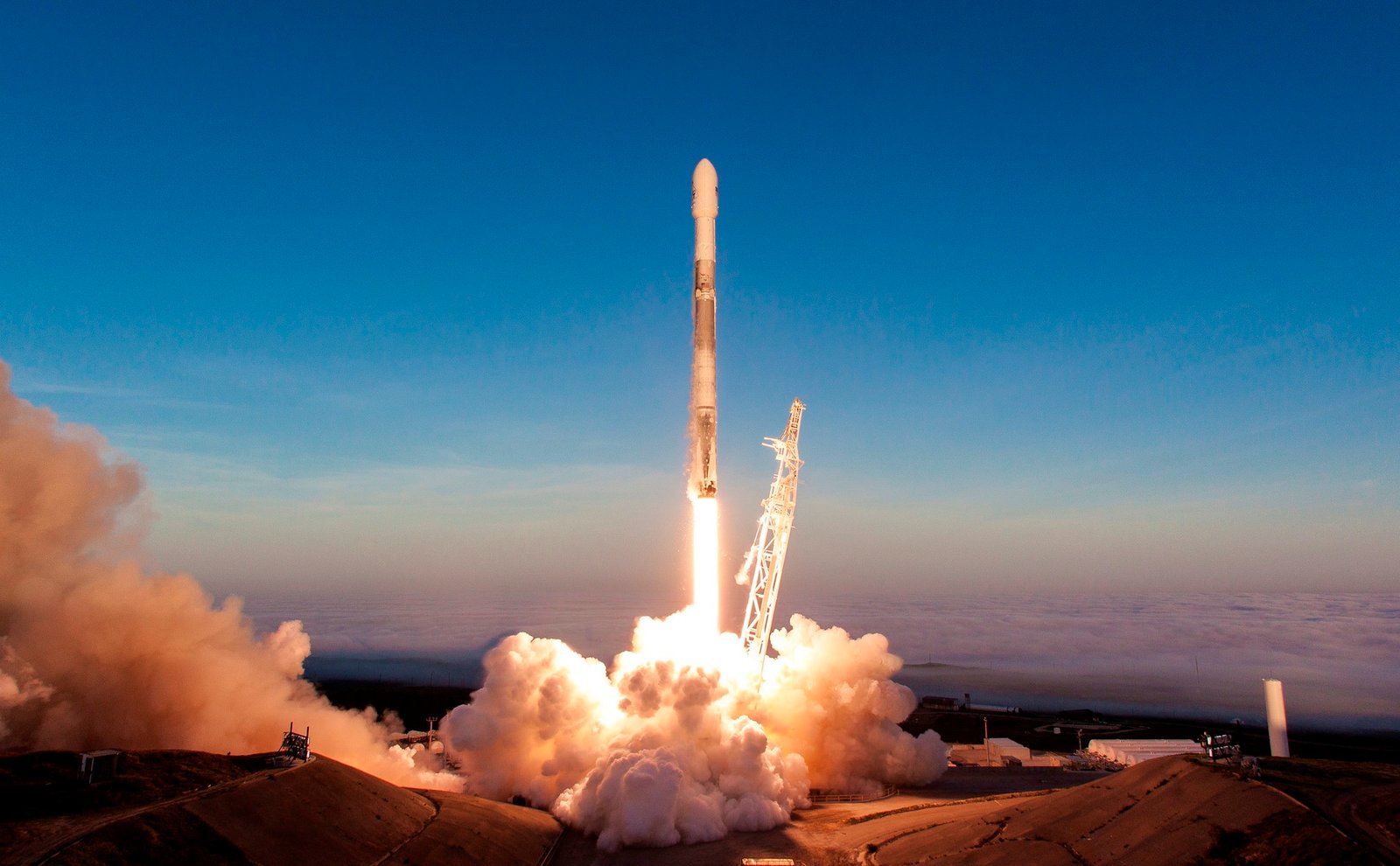
Launch capacity has become a growing priority for satellite operators facing limited access to rockets and increasing demand. Consequently, companies now highlight secured missions as an important part of their expansion plans.
Several satellite businesses recently told investors they had reserved rocket launches well into future years. Moreover, some companies have secured missions through 2028 to reduce uncertainty surrounding satellite deployment schedules.
AST SpaceMobile stands among the companies closely managing launch availability while building its direct-to-device communications constellation. The company experienced a setback after a New Glenn rocket failure disrupted its planned deployment schedule earlier this year.
That incident pushed the company’s expected commercial service launch into the first half of 2027. Nevertheless, AST SpaceMobile says it has enough launches booked to continue building its initial constellation.
The company plans to operate a constellation containing approximately 45 satellites for its initial deployment phase. Currently, 12 satellites remain in orbit, including five earlier-generation spacecraft and seven newer BlueBird satellites.
AST SpaceMobile recently launched additional BlueBird satellites aboard Falcon 9 missions. However, Falcon 9 carries fewer BlueBird spacecraft per mission than larger rockets such as New Glenn.
Therefore, the company needs several launches to complete its planned constellation within the targeted timeframe. Executives said the company currently has ten launches reserved through two separate launch providers.
AST SpaceMobile expects launches to occur roughly every one or two months on average. However, executives remain cautious about relying on New Glenn for missions scheduled later this year.
Blue Origin continues efforts to repair its launch infrastructure and return New Glenn to flight. Even so, AST SpaceMobile does not currently depend on that schedule when planning its financial outlook.
Instead, the company expects a combination of launch providers could support its deployment objectives. Meanwhile, executives have also discussed partnerships or acquisitions that could reduce reliance on outside launch companies.
However, finding a suitable launch provider with immediate capacity could prove difficult within the current market. The limited availability highlights the broader challenges facing satellite companies seeking reliable access to orbit.
Other satellite operators also face concerns surrounding future rideshare opportunities aboard SpaceX missions. Industry participants increasingly worry that some rideshare programs could become less available during upcoming years.
HawkEye 360, which operates satellites for radio-frequency geolocation services, has already secured launches through 2028. The company has frequently used rideshare missions to deploy spacecraft across its constellation.
Executives said those reservations provide protection against immediate launch shortages and reduce pressure on upcoming deployment plans. However, uncertainty remains regarding launch availability after 2028.
The company continues examining alternative providers as it prepares for longer-term satellite deployment requirements. Firefly Aerospace, Stoke Space, and Rocket Lab represent several options under consideration.
Additionally, HawkEye 360 has considered launch brokers that organize rideshare opportunities with available rockets. Executives believe additional launch platforms could become commercially viable before current reservations expire.
Spire Global has taken a similar approach while expanding its network of Lemur cubesats. The company has frequently relied on rideshare launches to deploy spacecraft supporting tracking and weather-related services.
Spire Global says it has reserved launches through 2028 despite the increasingly constrained market. As a result, the company expects to expand its satellite capabilities according to its preferred deployment schedule.
Overall, launch capacity has become a strategic concern for satellite operators planning large constellations. Securing future missions now could help companies protect investment plans while new launch providers continue developing.
At the same time, operators must balance launch reliability, vehicle availability, and spacecraft production schedules. Consequently, securing rockets years ahead may become increasingly important as demand for orbital access continues growing.
The current situation also creates opportunities for emerging launch companies to attract customers seeking alternatives. However, those providers must demonstrate reliable operations before satellite operators can depend on them for major deployments.
For now, established companies continue securing launches while monitoring developments across the commercial space industry. Their approach reflects growing recognition that satellite growth depends not only on spacecraft production, but also reliable access to orbit.

