
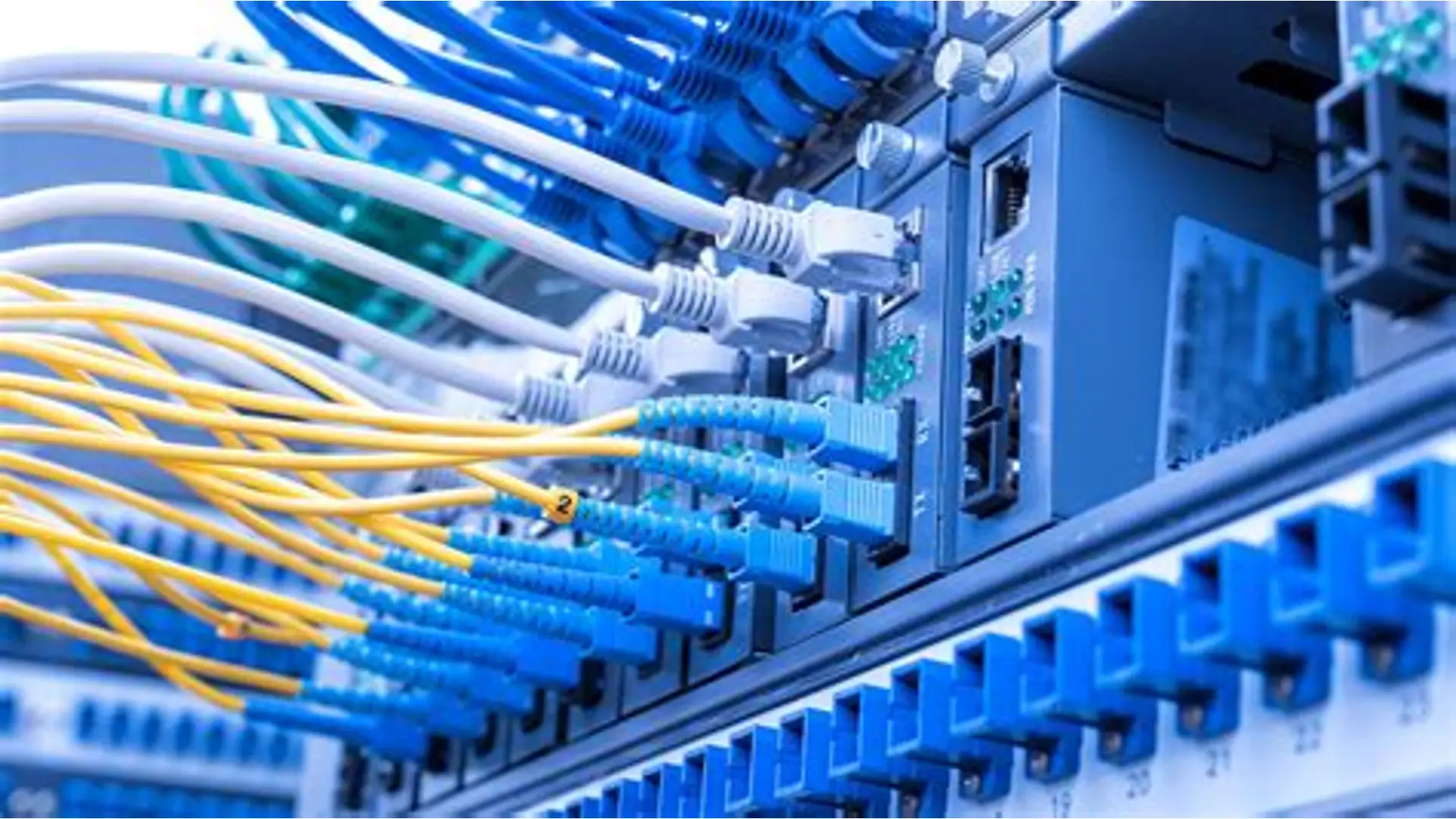
Relativity Networks has raised $22 million as it develops faster fiber connections for expanding data center infrastructure.
The company plans to use the funding as demand for large-scale computing infrastructure continues to grow worldwide. Meanwhile, data center developers face increasing challenges involving electricity availability, construction locations, and network performance.
Relativity Networks announced the funding through SAFE notes involving several investment groups and other participating investors. The company also secured a separate $40 million follow-on order from an unnamed major hyperscaler.
The investment structure allows the funding to convert into company shares during a future priced financing round. Consequently, the deal provides Relativity Networks with additional resources while it continues developing its technology.
The company focuses on hollow-core fiber, which can transmit information faster than conventional glass-based fiber. Instead of sending light through solid glass, the technology guides light through an air-filled central channel.
This design allows light to travel closer to its maximum theoretical speed through the fiber. As a result, the technology can reduce communication delays across longer distances.
Relativity Networks estimates conventional fiber requires roughly five microseconds for signals to travel one kilometer. Its system could reduce that figure to approximately three and a half microseconds.
Although the difference appears extremely small, those fractions of time can matter for large computing systems. In particular, artificial intelligence workloads increasingly require computers to communicate across larger physical spaces.
Previously, companies often placed large numbers of graphics processors within relatively compact data center environments. However, growing AI infrastructure now pushes computing systems across multiple buildings and larger campuses.
Some operators also connect separate data centers so they can function as coordinated computing environments. Therefore, network latency becomes increasingly important as physical distances between computing resources expand.
Relativity Networks believes its technology could help companies connect facilities located farther apart without creating excessive communication delays. This approach could give developers greater flexibility when selecting locations for future computing facilities.
Electricity availability has become another major consideration for data center construction. Consequently, operators sometimes need to locate facilities where sufficient power already exists.
That requirement can force companies to use multiple campuses rather than concentrating all computing equipment at one location. Faster fiber connections could help those distributed facilities work together more efficiently.
The company sees this shift as part of a broader evolution within artificial intelligence infrastructure. Initially, companies focused heavily on increasing computing power through larger numbers of GPUs.
Later, network performance became more important because computing resources needed faster internal communication. Now, Relativity Networks expects geographic optimization to become another major consideration.
Hollow-core fiber could support that transition by reducing the communication delays created by greater distances. Therefore, data center operators may gain additional options when planning large computing deployments.
The company expects demand for this capability to increase as AI infrastructure continues expanding. Meanwhile, major technology companies continue searching for locations with adequate power and suitable infrastructure.
Relativity Networks believes faster networking could help reduce some geographical restrictions affecting those decisions. The company’s latest funding and commercial order provide additional support for that strategy.
Hollow-core fiber therefore represents a potential shift in how companies approach networking across large computing environments. If adoption increases, the technology could influence future data center designs and deployment strategies.