
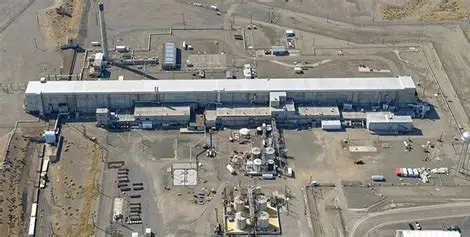
Federal officials are evaluating a proposal that would convert surplus nuclear materials into reactor fuel as part of a broader energy strategy. Additionally, the initiative seeks to support increasing electricity demand associated with expanding data center operations nationwide. Consequently, discussions have intensified around the potential role of nuclear resources in future energy planning.
At the center of the proposal is the use of Plutonium Fuel derived from former Cold War-era nuclear stockpiles. Government agencies are considering partnerships with private-sector companies to process nearly 20 metric tons of surplus plutonium. Furthermore, much of this material originates from dismantled nuclear weapons that have remained in storage for decades.
Supporters of the proposal state that converting existing nuclear material into reactor fuel could strengthen domestic energy capabilities. Moreover, they believe the approach may provide an additional source of electricity as demand continues increasing. Therefore, policymakers are examining whether existing nuclear resources can contribute to long-term energy objectives.
At the same time, scientists and policy specialists continue raising concerns regarding the handling of plutonium. They note that the material remains radioactive for extended periods and requires specialized management procedures. Additionally, experts emphasize the importance of maintaining strict safeguards throughout every stage of processing and transportation.
Questions regarding financial costs have also become a significant part of the discussion. Critics point out that storage, transportation, monitoring, and security measures require highly specialized infrastructure. As a result, some analysts continue evaluating whether the program could exceed the costs associated with conventional nuclear fuel systems.
Meanwhile, companies participating in preliminary discussions report confidence in their ability to manage operational requirements. They plan to develop advanced reactor technologies capable of using Plutonium Fuel more efficiently than previous systems. Furthermore, they suggest these designs could reduce dependence on certain imported nuclear materials.
Regulatory agencies continue emphasizing the importance of comprehensive oversight throughout the project. Officials require detailed safety procedures covering transportation operations, storage facilities, and reactor integration activities. In addition, personnel handling sensitive nuclear materials must satisfy extensive security and qualification requirements.
Supporters also argue that advanced reactor technologies may help address future electricity needs while utilizing existing nuclear stockpiles. They note that some reactor designs can convert previously unused materials into power generation resources. Consequently, advocates view the proposal as a potential method for combining energy production with stockpile management objectives.
However, previous efforts involving similar recycling strategies encountered operational challenges and financial difficulties. Earlier programs experienced significant cost increases and achieved limited implementation success before cancellation. Therefore, many energy experts and policymakers continue reviewing lessons from those experiences.
The ongoing debate surrounding Plutonium Fuel reflects broader considerations involving energy policy, economic costs, operational feasibility, and national security. While some officials view the proposal as an opportunity to expand energy resources, others continue urging careful evaluation before implementation. Meanwhile, policymakers remain focused on balancing innovation, safety requirements, and long-term strategic objectives.