
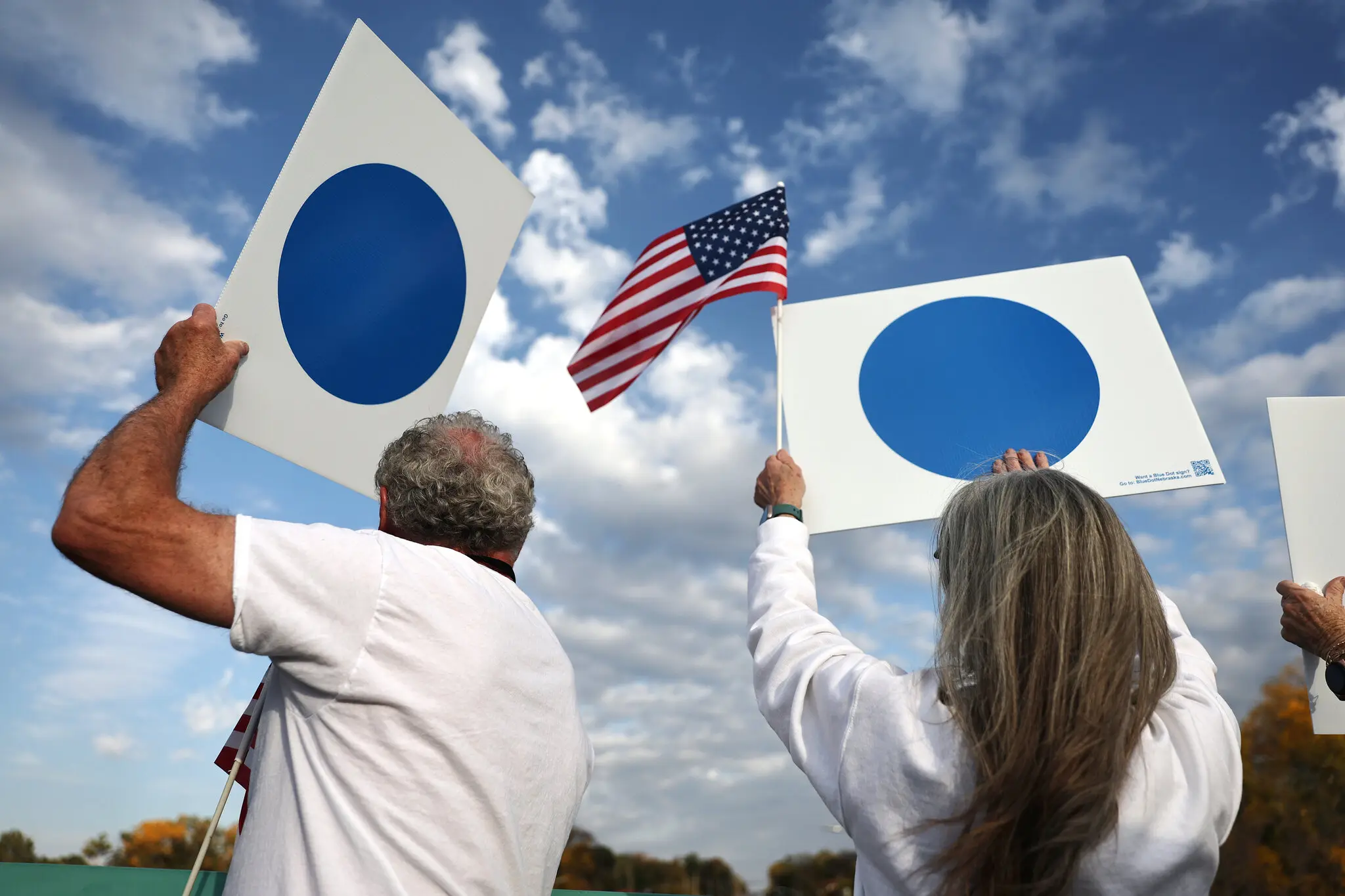
The highly contested race focused heavily on Nebraska’s 2nd Congressional District, surrounding the politically divided Omaha region. Democratic voters prepared carefully for an important nomination contest carrying major consequences for future presidential elections. Furthermore, the district attracted national attention because Nebraska uniquely divides Electoral College votes between congressional districts. Consequently, political strategists from both parties closely monitored developments throughout the increasingly competitive congressional campaign season.
The district earned the nickname “blue dot” after supporting Democratic presidential candidates several times during recent elections. Additionally, retiring Republican Representative Don Bacon created an open congressional seat, increasing Democratic hopes for electoral success. Therefore, national Democratic organizations invested substantial resources because they viewed the district as strategically significant nationally.
Three leading Democrats aggressively competed throughout the campaign while criticizing opponents during increasingly tense public appearances recently. State Senator John Cavanaugh emerged prominently alongside political activist Denise Powell and longtime district court clerk Crystal Rhoades. Meanwhile, Republican Omaha City Council member Brinker Harding secured strong Republican support without facing primary opposition this election.
However, the Blue Dot Battle intensified after opponents repeatedly questioned Cavanaugh’s potential impact on Nebraska legislative politics statewide. Critics argued that Cavanaugh’s congressional victory could weaken Democratic influence inside Nebraska’s Republican-controlled state legislature significantly. Moreover, opponents warned that Republican leaders could appoint a conservative replacement senator after Cavanaugh potentially vacated his legislative position.
As a result, Democratic groups launched aggressive advertising campaigns warning voters about possible threats facing Nebraska’s electoral system. Several campaign advertisements specifically suggested Republicans might eventually eliminate Nebraska’s district-based Electoral College voting structure. Furthermore, critics claimed Republicans could advance stricter abortion regulations alongside additional limitations targeting transgender rights policies statewide.
National political organizations also joined the heated Blue Dot Battle while heavily supporting competing Democratic candidates throughout Nebraska. EMILY’s List strongly endorsed Denise Powell while criticizing Cavanaugh’s candidacy as politically dangerous for Democratic electoral interests. Consequently, campaign spending increased dramatically as candidates purchased television advertisements alongside extensive digital outreach campaigns statewide.
Republican groups simultaneously targeted Cavanaugh through advertisements connecting him politically with President Donald Trump during the primary campaign. Nevertheless, Cavanaugh dismissed those attacks while arguing Republicans considered him the strongest Democratic general election candidate available. Additionally, he claimed Republican strategists deliberately attempted to damage his reputation before the highly competitive general election campaign officially began.
Political analysts observed unusual campaign dynamics because both parties appeared intensely focused on weakening Cavanaugh’s growing political momentum. Former Nebraska Democratic Party executive director Paul Landow criticized anti-Cavanaugh messaging while describing several campaign arguments as exaggerated speculation. Furthermore, Landow emphasized Republicans already maintain substantial legislative control despite repeatedly struggling to advance controversial political proposals successfully.
Meanwhile, Denise Powell emphasized grassroots organizing efforts while promoting progressive policies targeting independent and moderate district voters consistently. Powell highlighted years of Democratic activism experience while arguing that voters increasingly connected strongly with her campaign message. Similarly, Crystal Rhoades focused heavily on direct voter engagement rather than expensive advertising throughout the competitive primary campaign.
Rhoades relied extensively on neighborhood outreach efforts because she previously managed several successful Democratic campaigns across Omaha communities. Additionally, she promoted her lengthy public service background while emphasizing personal connections with local voters during campaign events.
Ultimately, the Democratic nominee will immediately enter another difficult contest against Republicans during November’s highly competitive general election. The Blue Dot Battle, therefore, remains critically important because Nebraska’s politically divided district continues influencing national electoral strategies regularly.

