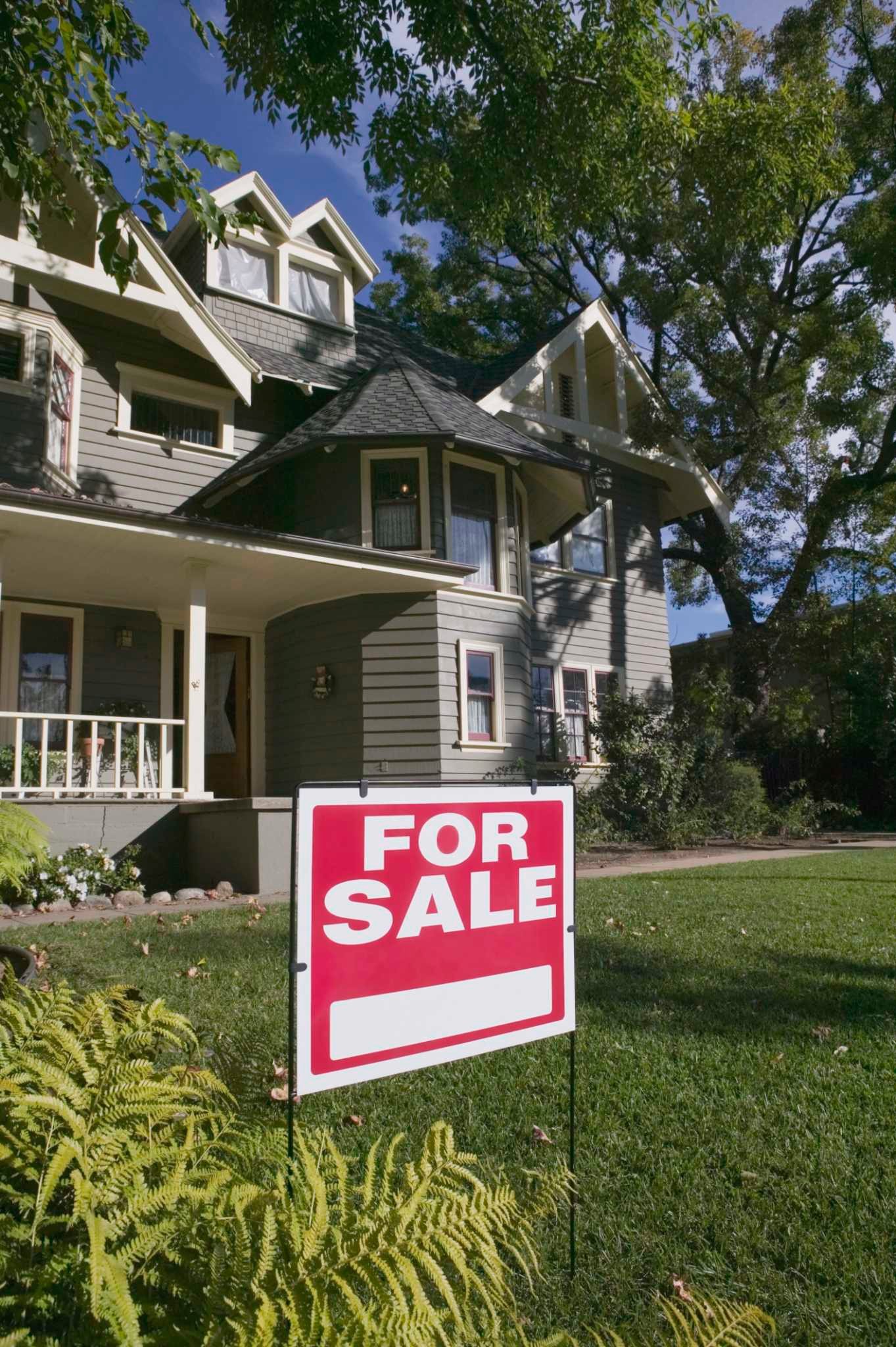
Mortgage Rates Rise has become a major concern for homebuyers as borrowing costs reached their highest point in nearly a year. The increase has caused many potential buyers to delay purchasing decisions while they evaluate affordability challenges.
The average interest rate for a 30-year fixed mortgage increased to 6.65 percent from 6.58 percent during the previous week. The latest movement represents the highest level recorded since August 2025 and has affected demand throughout the housing market.
Mortgage applications declined as higher borrowing expenses discouraged some buyers from moving forward. Overall mortgage activity decreased by 2.7 percent compared with the previous week, according to industry data tracking home loan requests.
Purchase applications experienced the largest decline during the period. Requests for new home purchase loans dropped 7 percent from the previous week and remained slightly lower compared with the same period one year earlier.
Several factors continue creating challenges for buyers, including elevated home prices and limited availability of affordable properties. Therefore, many households are carefully reviewing monthly payments before committing to new mortgages.
Meanwhile, refinancing activity moved in the opposite direction despite rising interest rates. Applications for refinancing existing home loans increased by 4 percent during the week and remained higher compared with the same period last year.
However, refinancing opportunities remain limited because many homeowners already secured lower rates previously. As a result, only certain borrowers are choosing to refinance, including homeowners seeking access to increased property equity.
Some homeowners are using cash-out refinancing strategies to obtain funds from rising home values. Additionally, government-backed loan programs have contributed to increased refinancing activity among eligible borrowers.
The refinancing share of total mortgage applications increased to 43.2 percent from 40.6 percent during the previous week. This shift shows that existing homeowners remain more active than potential buyers in the current market environment.
Furthermore, mortgage costs increased again at the beginning of the current week. Analysts pointed to higher fuel prices and already elevated borrowing levels as contributing factors behind recent rate movements.
Because mortgage rates were already positioned within a high range, additional economic pressure created further upward movement. However, rates later improved slightly after new inflation data showed weaker price growth than economists expected.
The housing market continues balancing between affordability concerns and changing economic conditions. While some buyers remain interested in purchasing homes, higher financing expenses are limiting their ability to act quickly.
Mortgage Rates Rise has created additional pressure for consumers who hoped borrowing conditions would improve. Nevertheless, market conditions continue changing as inflation trends, economic reports, and energy costs influence future mortgage movements.
Experts expect buyers and sellers to continue monitoring interest rate changes closely throughout the year. Consequently, any meaningful decline in borrowing costs could encourage more buyers to return to the market.
For now, higher loan expenses and limited affordable housing options remain significant barriers. Mortgage Rates Rise reflects the ongoing challenges facing Americans trying to enter the housing market while managing increased financial commitments.