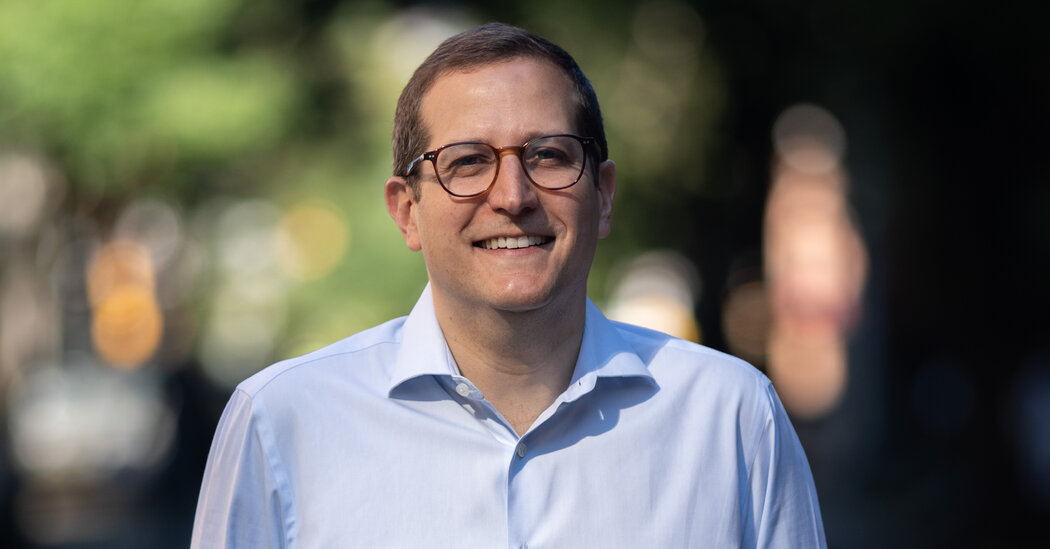
Micah Lasher secured a Manhattan Primary Victory on Tuesday, winning the Democratic nomination to succeed retiring Representative Jerry Nadler after defeating a crowded field of candidates.
The race attracted significant attention because Nadler’s retirement created a rare open congressional seat in Manhattan. Nadler has represented the district since 1992, making the contest one of New York’s most closely watched House primaries.
Lasher defeated several notable candidates, including George Conway, Jack Schlossberg, and fellow Assemblyman Alex Bores. The diverse field combined local elected officials with nationally recognized figures.
Conway entered the race as a conservative attorney known for his criticism of President Donald Trump. His candidacy brought additional national attention to an otherwise local congressional contest.
Schlossberg, the grandson of former President John F. Kennedy, also competed in the primary. His family legacy and substantial social media presence generated broader interest in the race.
Bores emerged as another prominent contender during the campaign. His candidacy became closely tied to debates surrounding artificial intelligence regulation and oversight.
As a state lawmaker, Bores helped advance New York’s RAISE Act, which focuses on AI safety requirements. The legislation seeks to require major developers to publish safety plans and disclose potential risks associated with advanced systems.
His support for stronger AI regulations attracted opposition from technology-aligned political groups. Those organizations invested millions of dollars into the race, turning the primary into a high-profile debate over technology policy.
Despite the attention surrounding his rivals, Lasher maintained strong support from influential New York political figures. Many observers viewed him as the most likely successor to Nadler.
Lasher previously worked for Nadler and developed longstanding relationships throughout New York’s political establishment. He also served under Governor Kathy Hochul and later worked for former New York City Mayor Michael Bloomberg.
Those professional connections helped him secure endorsements from all three political leaders. Their backing provided substantial support throughout the campaign and reinforced his standing among Democratic voters.
The Manhattan Primary Victory demonstrated that traditional political endorsements still carry significant influence in competitive races. While several opponents received national attention, Lasher relied on local relationships and organizational support.
Observers considered the contest a test of establishment influence within Democratic politics. The results suggested that institutional backing remained an important factor despite intense media coverage surrounding multiple candidates.
Lasher also benefited from a campaign focused on continuity and experience. His message resonated with voters seeking a successor familiar with the district’s priorities and concerns.
The Manhattan Primary Victory positions Lasher as the clear favorite heading into November’s general election. The district includes some of Manhattan’s wealthiest and most liberal neighborhoods, including the Upper West Side, Upper East Side, Midtown, and Chelsea.
Because of the district’s strong Democratic lean, Lasher enters the general election with a significant advantage. If elected, he would succeed Nadler after more than three decades of congressional service.
The Manhattan Primary Victory marks a major transition for one of New York City’s most prominent congressional districts and sets the stage for a new chapter in its political representation.