
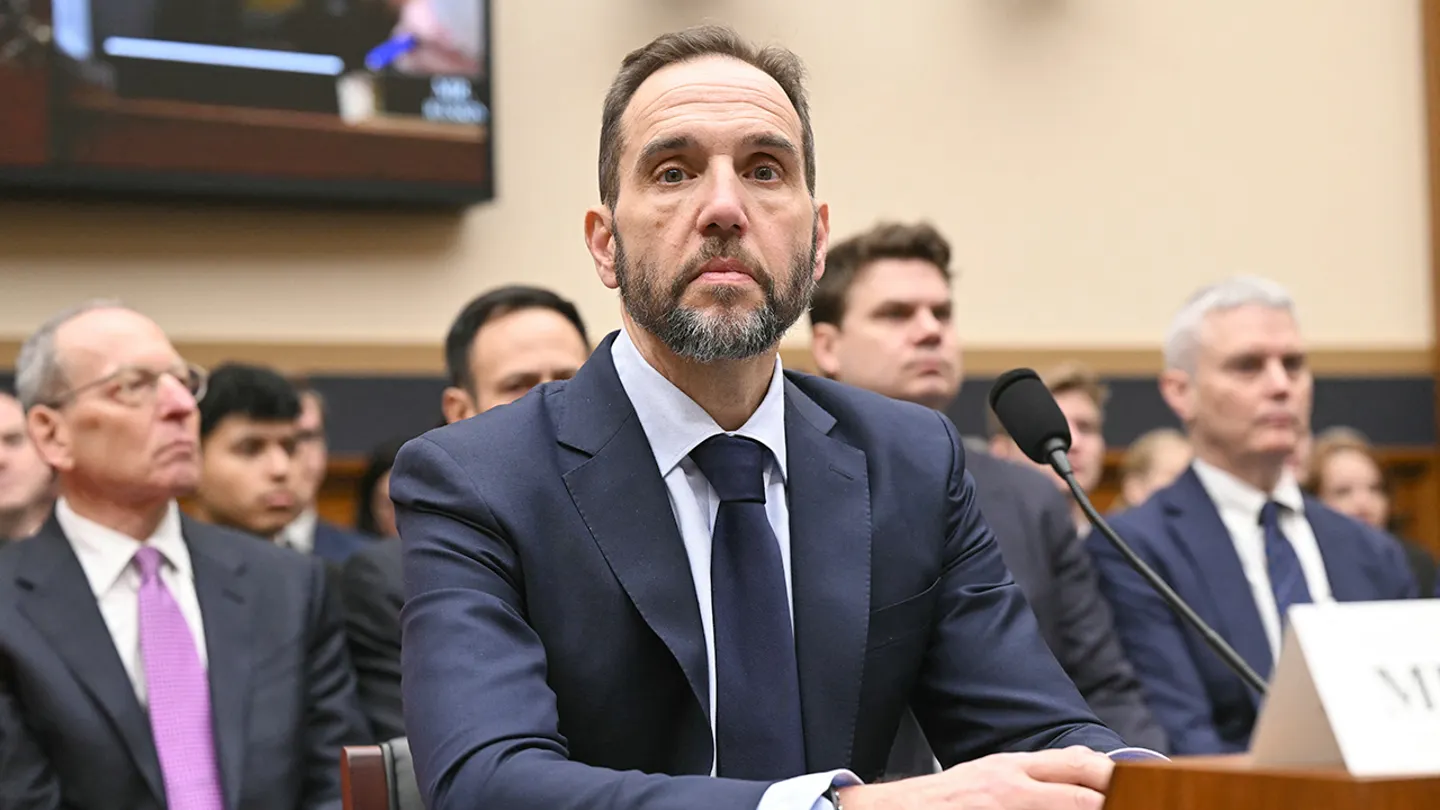
Criminal referral dominates a growing congressional dispute after House Republicans formally asked the Justice Department to review former Special Counsel Jack Smith’s testimony. Committee leaders argue that recently released investigative records contradict statements Smith made during a congressional deposition regarding lawmakers’ communications. Meanwhile, the Justice Department confirmed it received the referral and stated it will examine any available evidence before deciding whether additional legal action becomes appropriate.
House Judiciary Committee Chairman Jim Jordan submitted the referral, alleging Smith knowingly provided misleading testimony during a committee interview conducted late last year. According to Jordan, the committee uncovered documents suggesting Smith’s investigative team obtained access to congressional text messages despite previous testimony indicating otherwise. Consequently, Republican lawmakers argue those records raise significant questions about the accuracy of Smith’s statements before Congress.
Jordan’s letter contends every former government official must cooperate truthfully with authorized congressional investigations regardless of previous public service. Furthermore, he argued that intentionally inaccurate testimony could obstruct congressional oversight responsibilities and potentially violate federal law. Therefore, the committee requested the Justice Department determine whether criminal charges should receive further consideration following its review of the available evidence.
The dispute centers on Smith’s responses during questioning about communications collected throughout investigations involving President Donald Trump. During that testimony, Smith explained investigators requested telephone toll records rather than the actual contents of private conversations. Additionally, he stated those records identified call times, durations, and telephone numbers without revealing message content or spoken conversations.
However, recently disclosed investigative records prompted renewed criticism from Republican lawmakers overseeing the inquiry. Senate Judiciary Committee Chairman Chuck Grassley released documents that lawmakers believe indicate investigators reviewed text messages involving dozens of members of Congress along with several White House officials. Consequently, Republicans argue the new material directly conflicts with Smith’s earlier explanations before congressional investigators.
According to documents cited by congressional leaders, investigators allegedly accessed communications involving lawmakers from both major political parties. The records also reportedly included communications connected to several senior officials who served during President Trump’s first administration. As a result, Republicans questioned whether investigative safeguards protecting privileged information functioned properly throughout the inquiry.
Committee members also raised concerns regarding the use of so-called filter teams during sensitive federal investigations. These review teams generally separate privileged or protected material before investigators receive access to collected evidence. Nevertheless, lawmakers argue available documents suggest certain communications may have reached investigators before appropriate screening procedures concluded. Consequently, they believe additional review remains necessary to determine whether established investigative protocols were fully followed.
Smith has consistently denied wrongdoing throughout criticism surrounding his previous investigations. Supporters also argue his testimony accurately reflected the questions investigators asked during the congressional interview. Therefore, Democrats rejected claims that Smith intentionally misled lawmakers or attempted to obstruct congressional oversight efforts.
Representative Jamie Raskin, the committee’s senior Democratic member, strongly criticized the criminal referral after its public release. He argued Republicans mischaracterized both Smith’s testimony and the surrounding facts while expecting answers beyond the specific questions presented during the interview. Additionally, Raskin maintained that the referral relied on incorrect interpretations instead of demonstrating intentional deception by the former special counsel.
Meanwhile, Republicans continue examining broader allegations involving investigative decisions made throughout Smith’s tenure overseeing high-profile federal cases. Several lawmakers argue those investigations exceeded appropriate legal boundaries and improperly collected sensitive communications involving elected officials. Consequently, committee members pledged to continue reviewing records while seeking additional testimony whenever necessary.
The Justice Department acknowledged receiving the Criminal referral and confirmed officials will evaluate all evidence submitted by congressional investigators. However, department representatives did not indicate whether prosecutors have opened a formal criminal investigation or reached any preliminary conclusions. Instead, officials emphasized that they will carefully examine the referral before making future decisions regarding potential legal action.
The Criminal referral represents another chapter in the continuing political and legal disputes surrounding investigations involving former President Donald Trump. Although Republicans believe newly released documents justify additional scrutiny, Democrats insist available evidence fails to support allegations of intentional misconduct. As congressional oversight continues, the Criminal referral will likely remain a significant focus while federal officials determine whether further investigative steps are warranted.