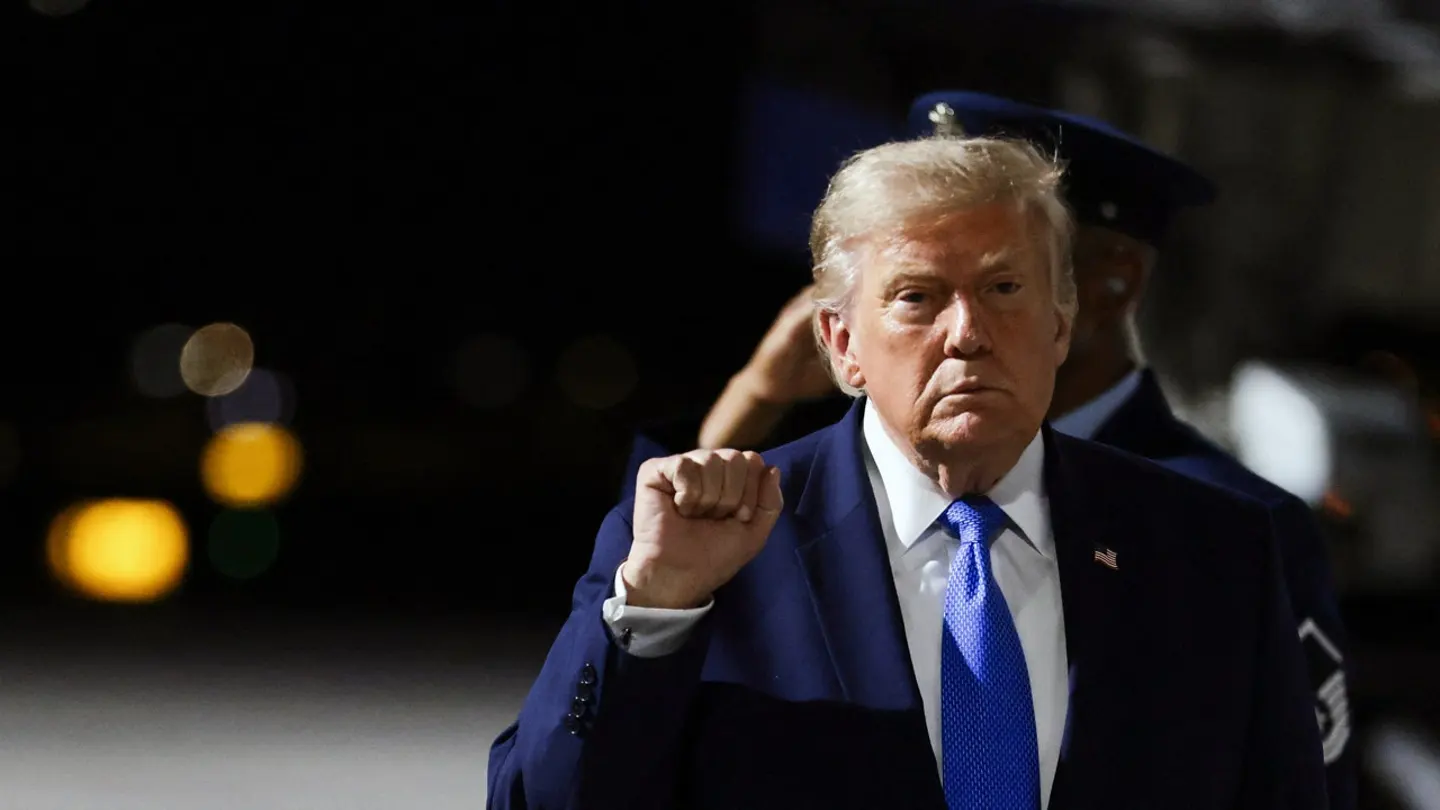
Iran talks remain the focus of United States foreign policy as President Donald Trump warned that military action could follow if negotiations with Tehran collapse again. However, he also emphasized that diplomacy continues to offer the best opportunity for reaching an agreement. Meanwhile, officials on both sides continue pursuing discussions aimed at reducing regional tensions and addressing longstanding concerns surrounding Iran’s nuclear program.
Speaking about the negotiations, Trump said the United States would respond forcefully if Iran abandoned the diplomatic process once again. Nevertheless, he explained that military action would remain a final option rather than the preferred outcome. Instead, he stressed that American officials continue seeking a negotiated agreement before considering stronger measures.
Trump stated that preventing Iran from obtaining a nuclear weapon remains a central objective of his administration’s foreign policy. Therefore, he argued that Washington must remain prepared for every possible outcome while continuing diplomatic engagement. At the same time, he maintained that successful negotiations would provide the most effective solution for regional stability.
According to Trump, recent discussions have shown encouraging signs despite continuing public disagreements between Washington and Tehran. Additionally, he noted that diplomatic contacts have continued through indirect channels while negotiators attempt to resolve key differences. Consequently, officials have continued working toward a framework capable of satisfying both sides.
Trump also revealed that his administration previously considered a major military operation before choosing additional diplomacy instead. He explained that regional governments requested more time for negotiations before any military response occurred. As a result, the administration paused those plans and continued discussions with international partners supporting diplomatic efforts.
Furthermore, Trump described the current negotiations as productive despite repeated public denials from Iranian officials regarding direct communication. He argued that public statements often differ from private diplomatic activity during sensitive international negotiations. Nevertheless, he insisted that measurable actions remain far more important than public messaging throughout the process.
Iran talks have also focused on restoring stability in the Strait of Hormuz, one of the world’s most significant maritime trade routes. Additionally, negotiators continue discussing broader nuclear issues that have remained unresolved through several previous diplomatic efforts. Therefore, both regional security and global energy markets remain closely linked to the outcome of these negotiations.
Iranian officials have continued stating that discussions with the United States occur through mediators rather than direct bilateral meetings. Even so, diplomatic representatives have reportedly continued exchanging proposals intended to advance negotiations. Consequently, mediators remain actively involved in bridging disagreements between both governments.
Trump acknowledged that negotiations have experienced repeated setbacks but rejected suggestions that diplomacy had reached its conclusion. Instead, he stated that his administration remains willing to continue discussions while meaningful progress remains possible. At the same time, he warned that continued delays would not eliminate other available policy options.
Moreover, the president emphasized that previous American administrations failed to permanently resolve disputes involving Iran’s nuclear ambitions. He argued that current negotiations represent another opportunity to secure stronger long-term safeguards through direct engagement. Accordingly, his administration continues balancing diplomatic efforts with national security preparations.
Trump also criticized the nuclear agreement negotiated during former President Barack Obama’s administration. He argued that the previous arrangement failed to adequately address long-term security concerns involving Iran’s nuclear activities. Therefore, he maintained that any future agreement should include stronger commitments and more effective enforcement measures.
Iran talks remain under close international observation because their outcome could significantly influence security throughout the Middle East. Additionally, financial markets continue monitoring diplomatic developments because regional stability affects global energy supplies. Consequently, governments and investors alike continue following each stage of the negotiations carefully.
Meanwhile, American officials continue evaluating diplomatic progress while maintaining military readiness if negotiations ultimately fail. Although discussions remain active, no final agreement has been announced by either government. For now, both diplomatic engagement and strategic deterrence continue shaping Washington’s approach toward Iran as negotiations move forward.