
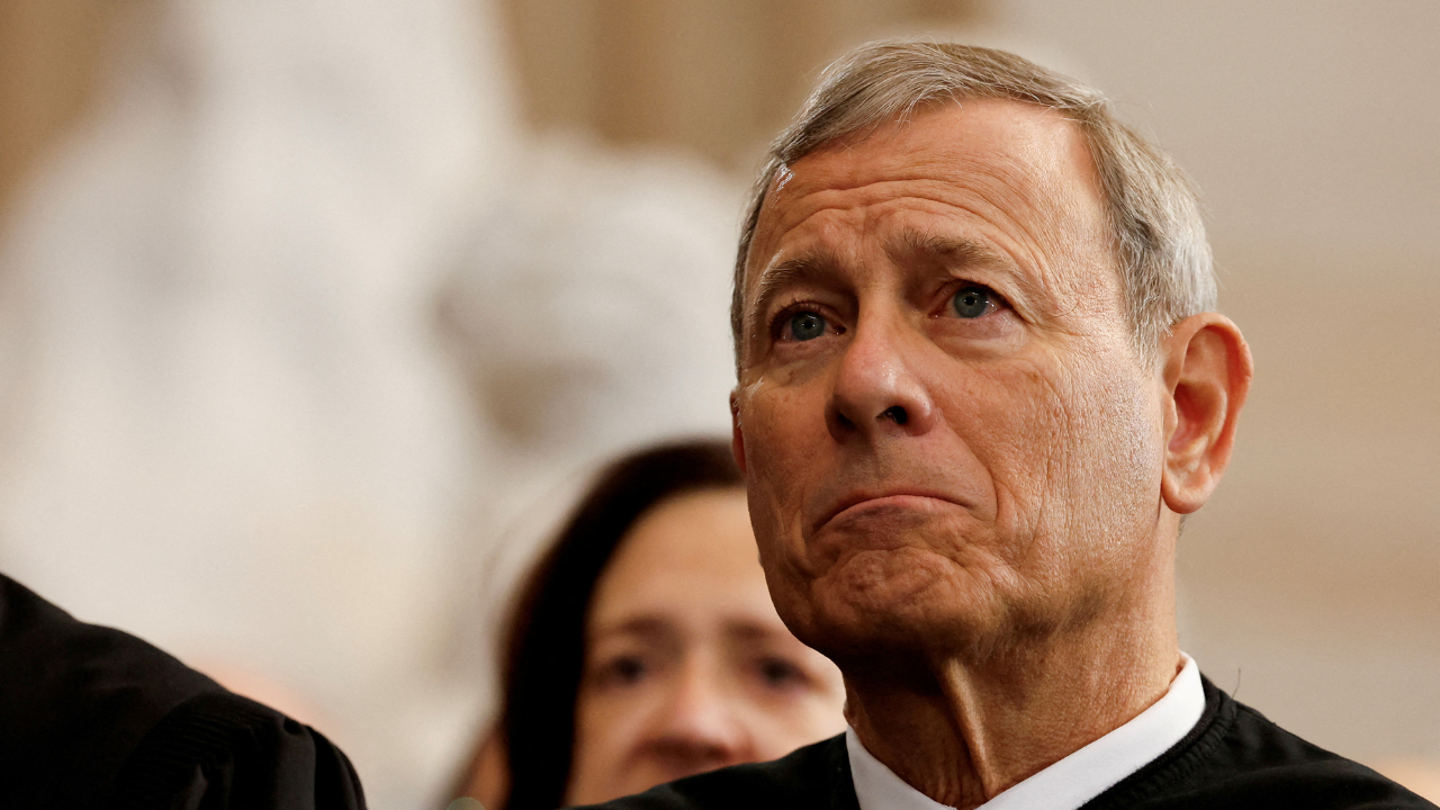
Roberts Court became the focus of a sharply worded opinion issued by Hawaii Supreme Court Justice Todd Eddins this week. Furthermore, he argued that Hawaii’s Constitution provides broader protections than recent interpretations adopted by the United States Supreme Court. His comments accompanied a ruling that ordered a new trial in a decades-old criminal case involving disputed forensic evidence.
The underlying case centered on a 1990 conviction involving kidnapping and sexual assault charges on the island of Maui. Additionally, the Hawaii Supreme Court concluded that forensic testimony involving hair and fiber analysis relied upon scientific methods that later lost credibility. Consequently, the court determined that the defendant should receive a new trial under current legal standards.
However, Eddins devoted a significant portion of the majority opinion to criticizing recent decisions issued by the Roberts Court. He argued that Hawaii’s judiciary should independently interpret the state constitution instead of relying automatically upon federal constitutional interpretations. According to Eddins, state constitutional protections can extend beyond federal constitutional requirements.
Eddins contended that several recent Supreme Court decisions weakened long-standing constitutional safeguards protecting individual rights. Moreover, he argued that the federal court departed from important legal principles established through earlier landmark civil rights decisions. Therefore, he encouraged Hawaii courts to continue applying their own constitutional analysis whenever appropriate.
Throughout the opinion, Eddins referenced several major Supreme Court rulings involving abortion, campaign finance, presidential immunity, congressional redistricting, and firearm regulations. He argued that those decisions collectively demonstrated a significant shift in constitutional interpretation by the nation’s highest court. Consequently, he questioned whether Hawaii courts should continue following those legal approaches.
Eddins also compared recent constitutional reasoning with earlier periods in American legal history that remain highly controversial. He argued that modern constitutional interpretation should continue protecting civil rights through broader legal principles rather than narrower historical approaches. Additionally, he maintained that state constitutions play an essential role in preserving individual liberties.
The opinion included strong criticism of what Eddins described as the Supreme Court’s current judicial philosophy. He argued that recent decisions increasingly favored government authority and influential interests while limiting constitutional protections available to individuals. Furthermore, he maintained that Hawaii’s Constitution should continue providing stronger safeguards whenever state law allows.
Legal observers quickly reacted because state supreme court opinions rarely devote extensive discussion to criticizing the United States Supreme Court. Several attorneys and constitutional scholars described the language as unusually direct compared with traditional judicial writing. Consequently, the opinion generated widespread discussion throughout legal and political circles.
The debate also followed a recent Supreme Court decision involving Hawaii’s firearm regulations. Earlier this year, the United States Supreme Court invalidated part of Hawaii’s restrictions concerning firearms carried onto certain private properties open to the public. That ruling represented another legal disagreement between Hawaii officials and the Roberts Court.
Justice Eddins joined the Hawaii Supreme Court in 2020 after receiving an appointment from former Governor David Ige. Since then, he has participated in several significant constitutional cases involving state law and individual rights. Nevertheless, this opinion attracted exceptional attention because of its extensive criticism of the federal judiciary.
Looking ahead, the ruling may continue fueling discussion regarding the relationship between state constitutions and federal constitutional interpretation. Meanwhile, the Roberts Court remains at the center of broader national debates involving judicial philosophy, constitutional authority, and the balance between federal and state legal powers.

