
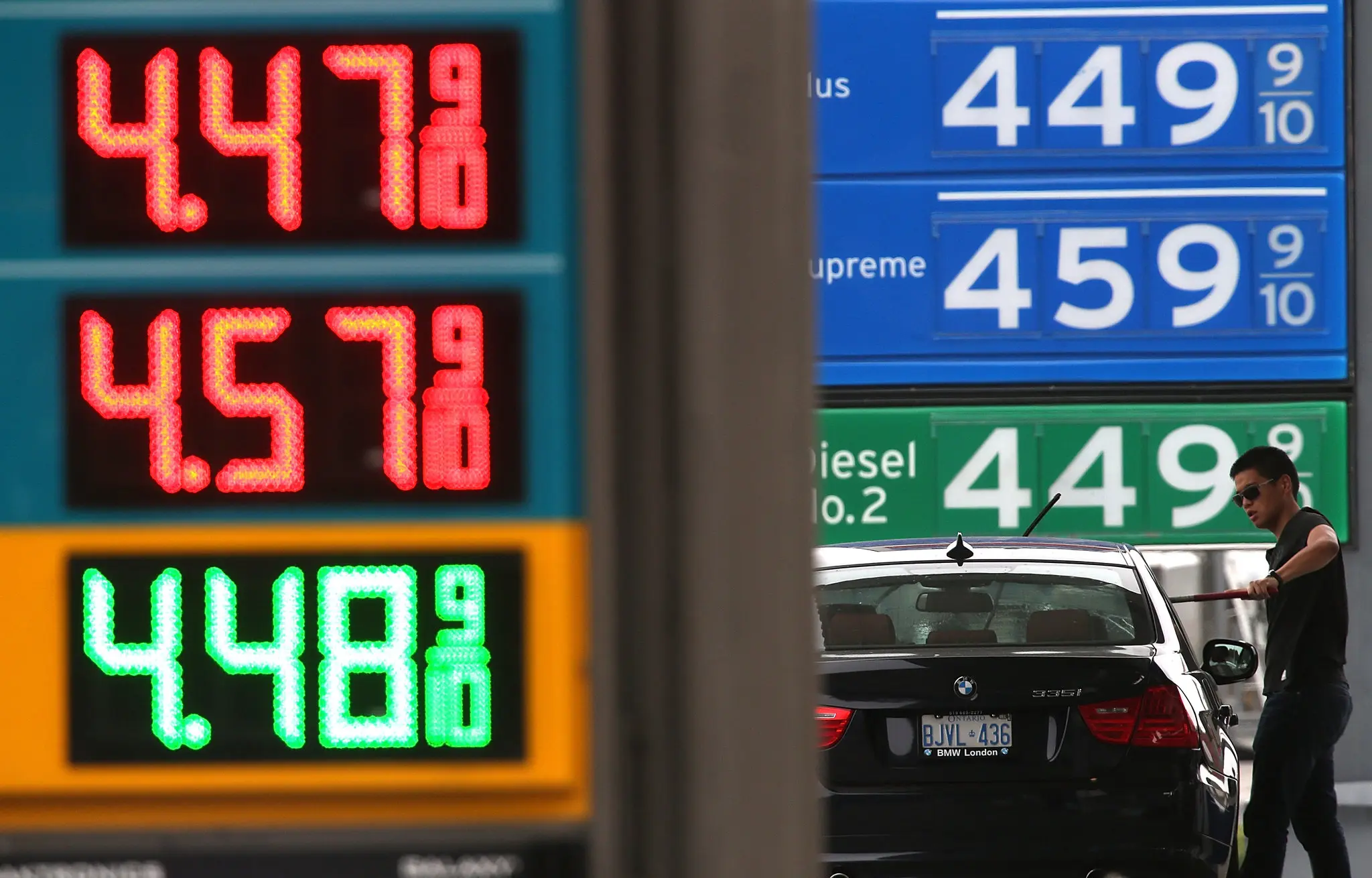
Gas prices rise across the United States as global oil markets face tightening supply and ongoing geopolitical tensions. The increase affects households nationwide as fuel costs continue climbing. Analysts link the trend to disruptions in global energy supply and shifting market conditions. Consumers now face higher transportation expenses across many regions.
National averages show fuel costs climbing above four dollars per gallon in many areas. Officials report that prices increased sharply after earlier declines during the month. The reversal in trend has placed additional pressure on household budgets. Many families now adjust spending to manage rising transportation costs.
Several western states report the highest fuel prices in the country. California, Hawaii, Nevada, Oregon, and Washington show averages near or above five dollars per gallon. Meanwhile, central states continue to experience relatively lower prices due to distribution advantages. However, the overall national trend still shows gas prices rising across most regions.
Energy analysts point to global supply constraints as a key driver behind the increases. They note that geopolitical conflict has reduced available oil supply in international markets. As a result, crude oil prices fluctuate and influence retail fuel prices in the United States. This connection continues to affect consumer costs at the pump.
Transportation industries also feel the impact as fuel expenses increase across sectors. Airlines report higher jet fuel costs, which contribute to rising airfare prices. Shipping and logistics companies also adjust pricing due to increased operational expenses. These changes create broader economic effects beyond fuel stations.
Households across the United States continue to experience financial pressure from rising energy costs. Commuters face higher daily expenses, especially in regions with limited public transportation options. Many families adjust travel plans and reduce discretionary spending to manage budgets. In this environment, rising gas prices become a key concern for consumers.
Market experts highlight that oil prices remain highly volatile due to global developments. Ceasefire discussions and geopolitical negotiations influence supply expectations and market stability. As conditions change, fuel prices respond quickly in both upward and downward movements. However, recent trends show continued upward pressure overall.
Government and industry analysts continue monitoring fuel price movements across states. They track weekly changes to understand inflation risks and energy market behavior. Officials also evaluate potential policy responses to stabilize pricing if volatility continues. These assessments aim to reduce long-term impacts on consumers.
Despite short term fluctuations, analysts expect continued uncertainty in fuel markets. They warn that any further supply disruptions could lead to additional increases. In this environment, gas prices rise remains a central issue for households and policymakers. The outlook depends heavily on global energy stability in the coming months.