
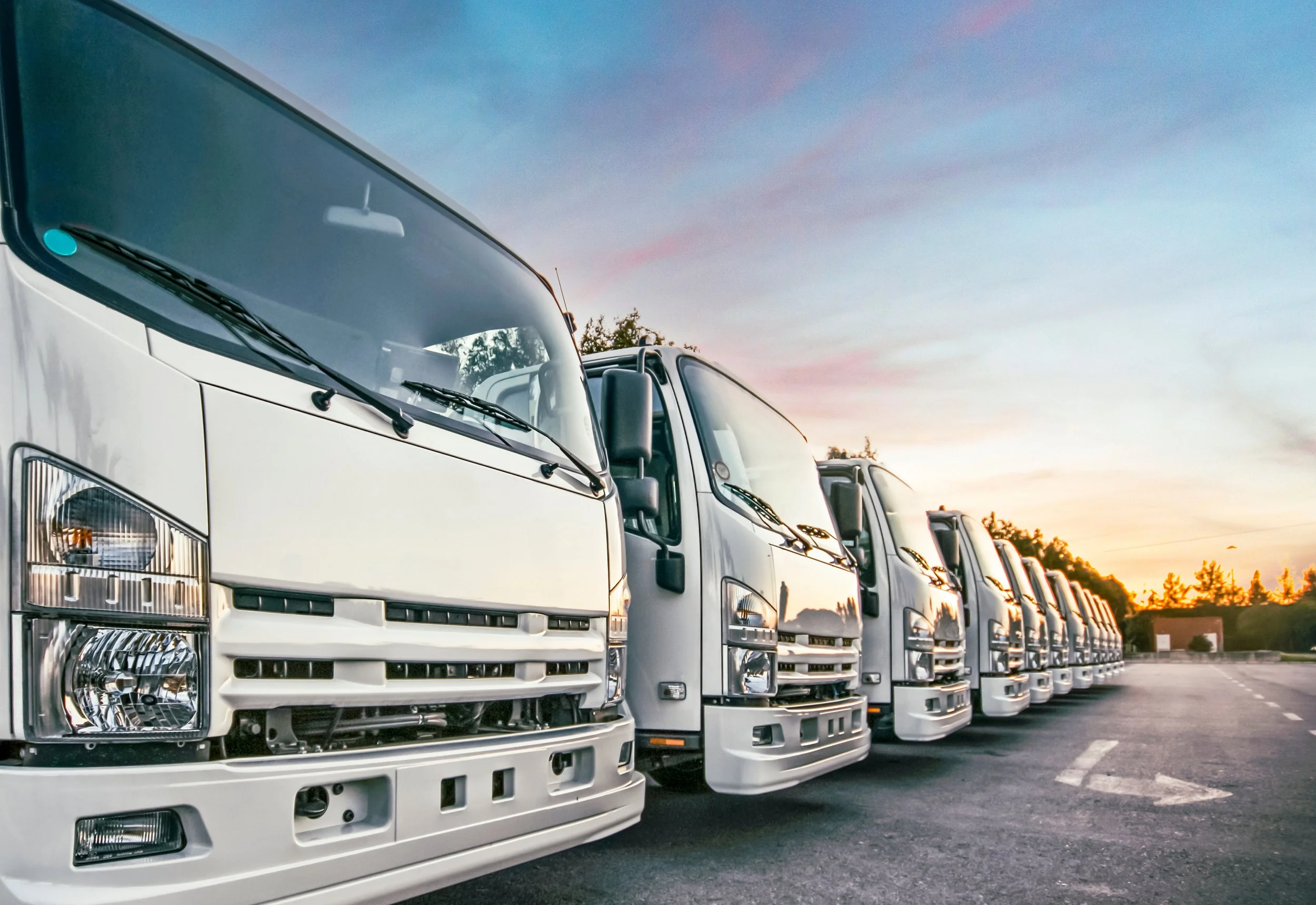
Fleet Transportation is becoming an important part of business expansion strategies as companies look for smarter ways to manage growth. When businesses open new offices, warehouses, or branches, moving company vehicles requires careful planning. Therefore, many organizations now consider vehicle relocation earlier during expansion projects to maintain smooth operations.
Previously, companies often focused mainly on buildings, equipment, and staffing before planning vehicle movement. However, businesses now understand that transportation decisions can affect how quickly new locations begin operating. As a result, companies are creating organized plans to relocate existing fleets without unnecessary delays or additional expenses.
Purchasing additional vehicles for every new location can create significant financial pressure. New fleets require large investments, along with insurance, registration, maintenance, and customization costs. Instead, many businesses choose to transport their current vehicles because they already include company branding, tools, and specialized equipment needed for daily operations.
Furthermore, moving existing vehicles allows companies to protect their budgets during expansion. Businesses can direct resources toward hiring employees, upgrading facilities, and improving customer services. This strategy provides greater financial flexibility while helping teams begin work faster at new locations.
In addition, Fleet Transportation helps companies reduce productivity losses caused by long-distance driving. Employees who move vehicles across several states often spend valuable time away from their primary responsibilities. Meanwhile, professional transportation providers allow employees and managers to focus on preparing new branches and supporting business growth.
Long-distance vehicle travel also creates expenses beyond fuel costs. Companies must consider accommodation, meals, tolls, overtime payments, and vehicle depreciation. Moreover, extended driving increases wear on important vehicle components, including tires, brakes, engines, and suspension systems, which can create additional maintenance expenses.
By using organized transportation solutions, businesses can create more predictable relocation costs. They can also reduce unnecessary mileage and ensure vehicles arrive ready for immediate use. Consequently, companies can maintain efficient operations while avoiding unexpected repairs after vehicles reach new locations.
Fleet Transportation also supports businesses that operate across multiple cities and regions. Companies with several branches often need to move vehicles depending on customer demand and project requirements. Instead of purchasing more vehicles, organizations can transfer existing fleets between locations to improve resource management.
This approach benefits industries such as construction, healthcare, logistics, dealerships, and field service companies. For example, businesses can move specialized vehicles to areas experiencing higher demand. Therefore, companies can maximize existing assets while responding quickly to new market opportunities.
Moreover, protecting company vehicles during relocation has become increasingly important. These vehicles often carry valuable tools, equipment, and branding that support daily operations. Reducing unnecessary travel helps preserve vehicle conditions and allows businesses to use their fleets immediately after arrival.
Overall, Fleet Transportation has become a valuable element of modern business expansion planning. Companies are recognizing that efficient vehicle relocation can reduce costs, improve productivity, and support long-term growth. As businesses continue entering new markets, organized transportation strategies will remain essential for maintaining successful operations.