
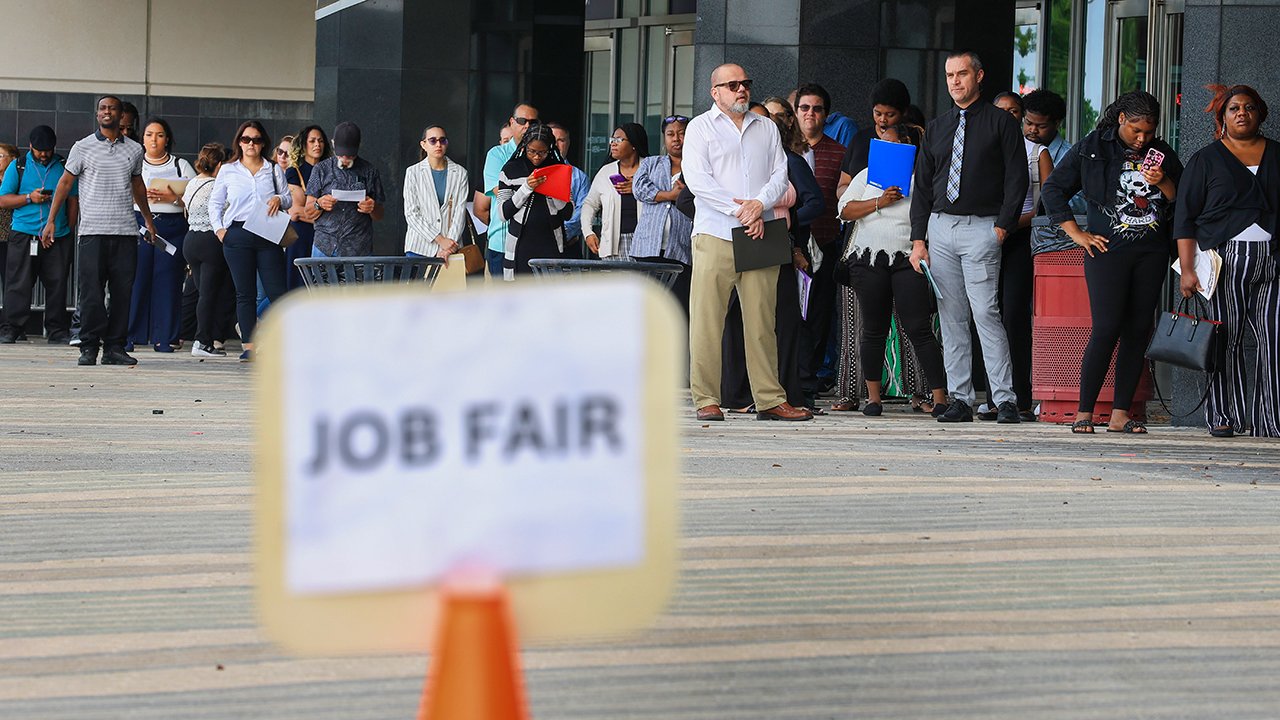
January jobs data reveals a resilient labor market that continues to beat expectations. The economy added 130,000 new positions while unemployment held steady at 4.3 percent. Economists had predicted significantly weaker hiring numbers during the winter months. Patrice Onwuka of the Independent Women’s Center for Economic Opportunity credits recent policy changes. She argues that tax cuts boost employment by giving businesses confidence to expand. The Working Families Tax Cuts eliminated taxes on tips and overtime wages. These provisions reward additional effort and encourage longer working hours.
Onwuka explained that workers are returning to the labor force because they believe opportunities exist. The tax cuts boost employment further by making work financially attractive again. She described the January report as strong and importantly above expectations. This performance should inspire hope among unemployed Americans still seeking positions. It also builds broader confidence in the economy across demographic groups. The Dow reaching new highs benefits stock market investors significantly. However job creation directly impacts Main Street families in tangible ways.
Employment traditionally functions as a lagging economic indicator. Third quarter growth accelerated from under 4 percent to 4.4 percent previously. That expansion is now appearing in actual hiring decisions by businesses. Importantly these are not government jobs supported by taxpayer dollars. Private sector employers are hiring based on genuine demand and sales projections. Deregulation and tax certainty enable companies to bring on new workers. Onwuka predicted continued improvement throughout 2026 under current policies.
Certain sectors demonstrated particular strength in the January report. Healthcare and construction industries led overall job creation numbers. These fields offer middle-class wages and growing career opportunities for workers. Retail trade lost 25,000 positions during the same period. Financial activities shed 7,000 jobs as well. Onwuka characterized these losses as expected seasonal adjustments. Retailers typically reduce staffing after the holiday shopping season concludes. Financial services experienced significant automation and high interest rate pressure throughout 2025. Americans should not fear these narrow pockets of job losses.
The economist identified healthcare as an exciting career field for women specifically. These positions often provide flexibility that traditional office jobs cannot offer. Baby boomers are retiring in large numbers while also living longer lives. This demographic reality creates sustained demand for personal care and medical services. Supporting businesses in these sectors will continue growing for years. Several additional metrics showed genuine improvement beneath the headline numbers. Part-time workers unable to find full-time employment declined measurably. Long-term unemployment among those jobless over six months also fell. Labor force participation rose for both American men and women.
Onwuka acknowledged that hiring rebounds take time to materialize fully. Current trends are moving in the right direction overall. Unemployed individuals may need patience while seeking their next position. Some workers may consider pivoting to different industries or roles. Self-employment and freelance work represent viable alternatives for those who cannot wait. Independent contract work continues growing among seasoned professionals. Gig workers increasingly cobble together financial security through multiple income streams. The economist insisted these arrangements deserve respect and legal protection. Multiple jobholding signals Americans seeking extra income through legitimate side hustles. The tax cuts boost employment across traditional and nontraditional work arrangements alike.