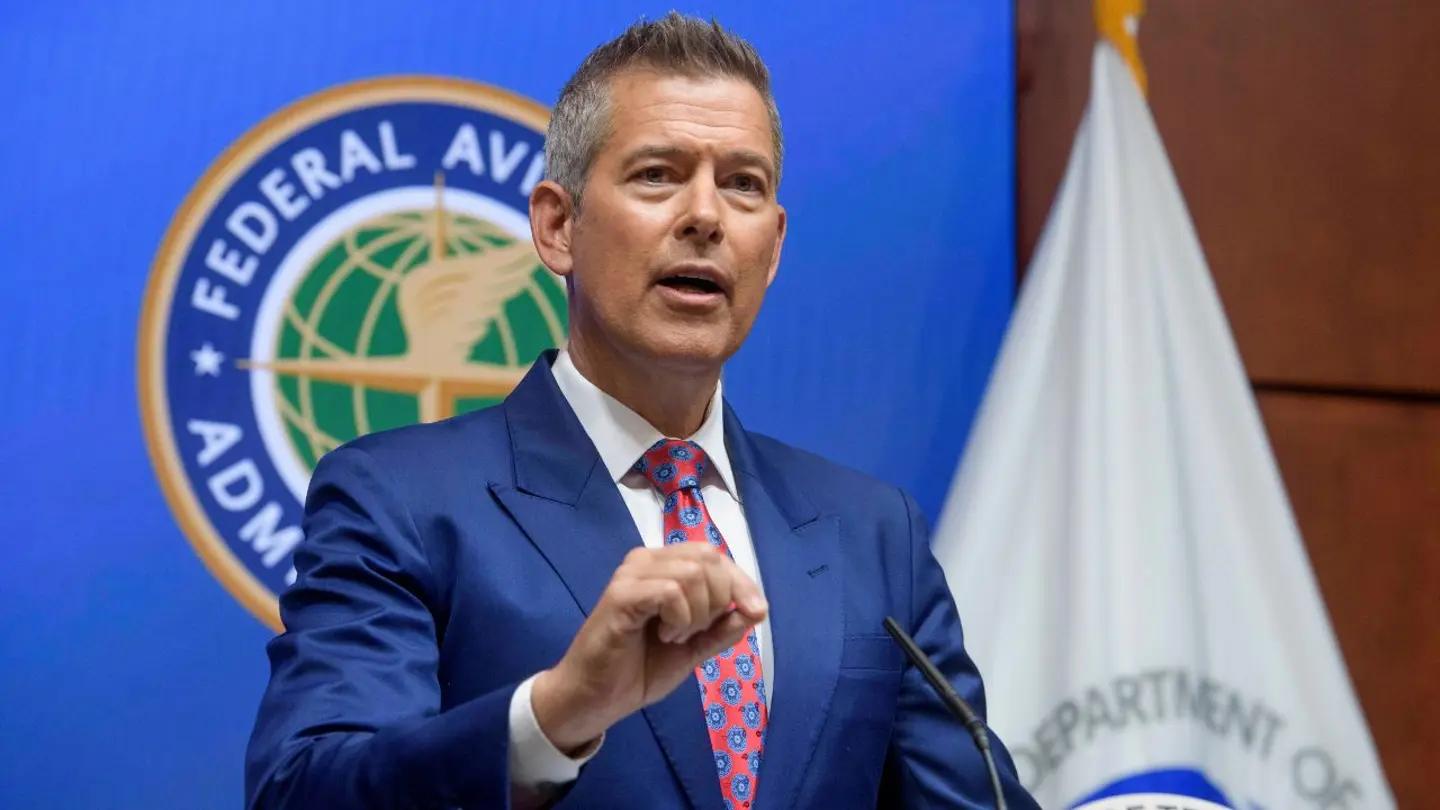
U.S. Transportation Secretary Sean Duffy has signaled a major Fraud Crackdown involving several federal agencies. The announcement could expand the Trump administration’s efforts to identify and prosecute fraud involving taxpayer-funded programs.
Duffy announced Sunday that officials would unveil details Monday, although he provided few specifics. In a post on social media, the transportation secretary described the planned initiative as an unprecedented enforcement effort.
Duffy also tagged several senior officials and federal agencies in his announcement. Those included Homeland Security Secretary Markwayne Mullin, the Department of Homeland Security, Immigration and Customs Enforcement, and Department of Justice.
The White House Task Force to Eliminate Fraud also appeared among the tagged organizations. Therefore, the announcement appears likely to involve cooperation across several areas of federal enforcement.
However, Duffy did not explain which specific fraud schemes officials planned to address. He also did not disclose whether authorities had already made arrests or identified particular suspects.
The announcement follows several months of increased federal attention toward alleged fraud affecting government programs. President Donald Trump established the White House task force in March to coordinate federal efforts against suspected misuse of public funds.
Meanwhile, the Justice Department has established a National Fraud Enforcement Division. The division focuses on investigating and prosecuting theft involving taxpayer money and fraudulent government spending.
The Transportation Department has separately worked with Homeland Security on alleged fraud within the commercial trucking industry. Their efforts have focused particularly on driver training programs, licensing practices, and safety compliance.
In July, transportation and homeland security officials announced a joint investigation involving approximately 75 commercial driving schools. Investigators suspect some schools falsified training records or improperly certified individuals for commercial driving credentials.
Authorities have also examined allegations involving foreign commercial drivers who may lack appropriate qualifications. In addition, federal agencies have conducted roadside enforcement operations targeting drivers they consider unqualified.
The trucking investigation reflects broader concerns about commercial driver licensing and roadway safety. Officials have increasingly connected fraudulent certifications with concerns about whether drivers meet federal training and qualification standards.
Nevertheless, investigators have not established that every school or driver involved committed wrongdoing. Federal authorities must therefore distinguish legitimate operations from cases involving deliberate fraud or regulatory violations.
For transportation companies, stricter enforcement could create additional compliance responsibilities and increase scrutiny throughout driver recruitment. Trucking businesses may consequently face greater pressure to verify training records and licensing information.
At the same time, stronger enforcement could affect commercial driving schools that depend on federal licensing requirements. Schools may need to strengthen recordkeeping procedures and demonstrate that instructors properly document student training.
The broader Fraud Crackdown could also extend beyond transportation if federal agencies adopt a wider enforcement strategy. Government benefit programs, healthcare spending, immigration-related programs, and other areas remain potential targets.
Furthermore, greater interagency cooperation could allow investigators to share information more efficiently across federal departments. That approach could help authorities identify patterns that individual agencies might otherwise overlook.
The administration has framed these efforts around protecting taxpayers and improving accountability. However, the scale and scope of Monday’s announcement will determine whether officials introduce new investigations, enforcement measures, or policy changes.
Duffy’s announcement therefore creates expectations for a significant expansion of federal anti-fraud activity. Businesses, government contractors, benefit recipients, and other organizations could face increased scrutiny depending on the measures announced.
Officials are expected to provide additional details during Monday’s announcement. Until then, the administration has offered limited information about targets, enforcement mechanisms, and potential penalties.
The upcoming announcement will ultimately show whether the Fraud Crackdown represents a new initiative or expands existing federal investigations. Its impact will depend on how broadly agencies apply the strategy and how aggressively they pursue suspected violations.