Federal prosecutors have launched a rare School Attendance Probe involving Washington, D.C., public schools and their attendance records. The investigation focuses on truancy, graduation requirements, student absences and district oversight practices.
A special grand jury will examine information involving attendance and graduation practices across the District’s public school system. Several teachers and school employees have reportedly received inquiries concerning student absences and related records.
The investigation operates under the supervision of the U.S. Attorney’s Office for the District of Columbia. However, prosecutors have not publicly confirmed the existence or specific scope of the investigation.
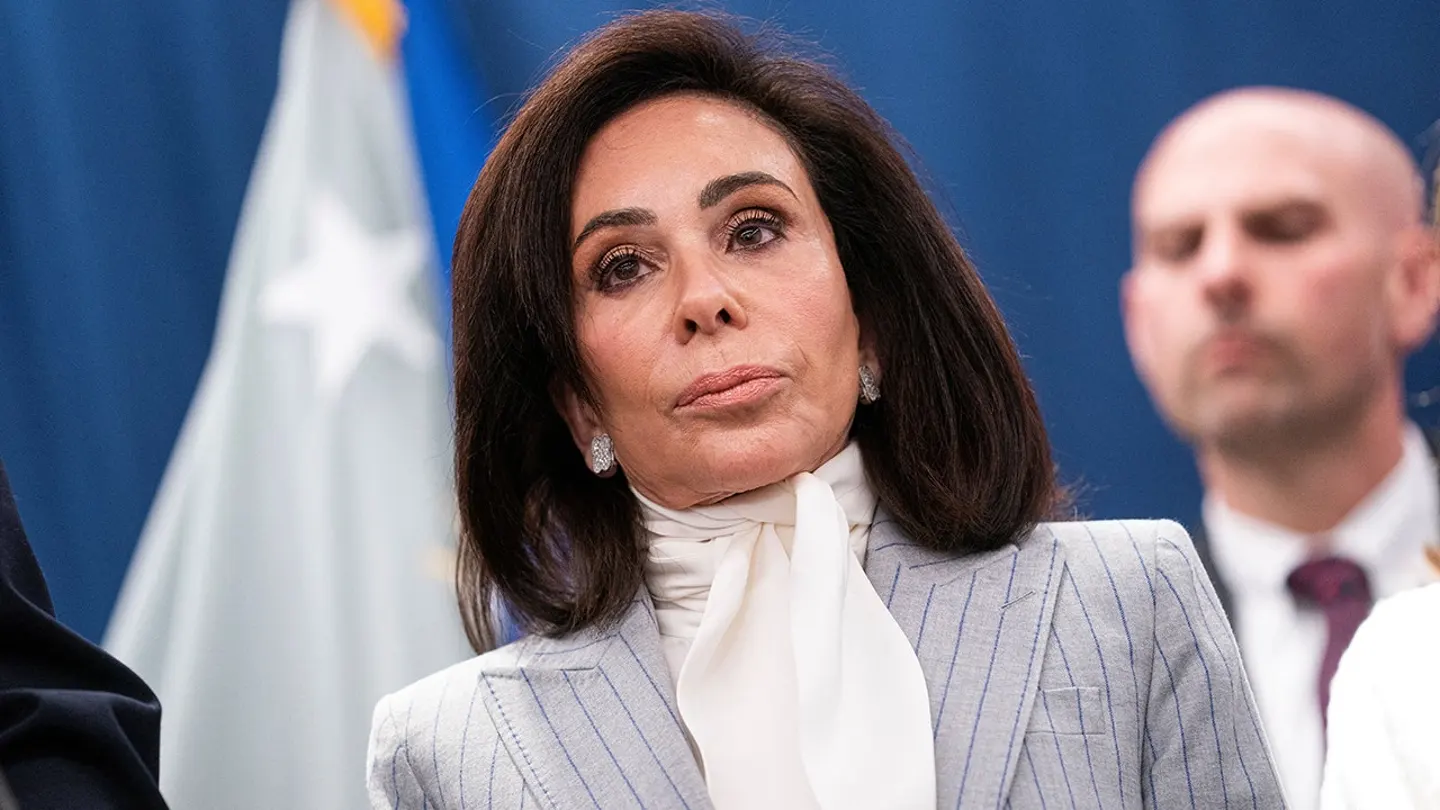
A spokesperson for U.S. Attorney Jeanine Pirro’s office declined to confirm or deny whether prosecutors launched the inquiry. Meanwhile, a law enforcement official described the investigation as an effort focused on safeguarding young people.
Special grand juries operate differently from ordinary criminal juries and can conduct broad investigations. Furthermore, prosecutors can use them to examine potential problems even when criminal charges eventually never follow.
A judge must approve the creation of such a panel before investigators can begin its work. Additionally, the grand jury can produce a detailed report outlining concerns and findings after completing its examination.
The inquiry arrives as D.C. Public Schools begins another academic year serving more than 50,000 students. Consequently, the investigation could place renewed attention on attendance management and graduation oversight across the district.
Mayor Muriel Bowser’s office said officials remain focused on starting the new school year successfully. The mayor’s office also emphasized that the district makes its school data publicly available.
At the same time, prosecutors have expressed concern about chronic truancy and its potential connection with youth safety. Pirro has repeatedly discussed school attendance alongside youth crime, curfew violations and disruptive gatherings.
During a May news conference, Pirro warned that authorities could intervene when teenagers repeatedly violate curfew requirements or miss school. She also indicated that prosecutors wanted access to records involving students with chronic truancy concerns.
The investigation follows an earlier graduation controversy that significantly affected confidence in D.C. schools. A city investigation in 2018 found serious problems involving graduation requirements at Ballou High School.
Investigators determined that some students received diplomas despite failing attendance requirements or improperly completing makeup coursework. The inquiry subsequently expanded beyond Ballou and examined practices at additional D.C. high schools.
According to findings from that period, roughly one-third of students graduating across the district in 2017 lacked required qualifications. District officials subsequently tightened enforcement procedures surrounding attendance and graduation standards.
Nevertheless, attendance problems continued despite those reforms and additional oversight measures. During the 2023-24 school year, nearly 16,000 D.C. Public Schools students reportedly met the district’s truancy definition.
That figure represented approximately one-third of the district’s K-12 enrollment during the same academic year. Under district standards, students could qualify as truant after missing at least two weeks without an approved excuse.
Therefore, the latest School Attendance Probe could test whether previous reforms adequately addressed persistent absenteeism. Investigators may also examine whether schools consistently recorded and enforced attendance requirements.
The inquiry could have broader implications for educators, administrators, families and district officials across Washington. Accurate attendance records influence graduation eligibility, educational funding, student support programs and assessments of school performance.
Moreover, prolonged absenteeism can create challenges for students who fall behind academically or disengage from education. Schools consequently face pressure to identify absent students earlier and coordinate appropriate interventions.
For administrators, the investigation may increase scrutiny of recordkeeping practices and graduation certification procedures. Teachers could also face additional questions about how schools document absences and communicate attendance concerns.
The inquiry also arrives amid broader national debates surrounding chronic absenteeism following disruptions caused by the COVID-19 pandemic. School systems across the country continue working to restore consistent attendance and improve student engagement.
However, federal investigators have not publicly alleged that D.C. schools committed criminal wrongdoing. The special grand jury process therefore should not automatically imply that individual educators or administrators face criminal liability.
The next phase could involve additional requests for school records, interviews with personnel and examination of graduation data. Prosecutors could eventually issue findings, seek charges, or conclude the investigation without pursuing criminal cases.
For now, officials have provided limited information about the investigation’s precise scope and potential targets. Nevertheless, the School Attendance Probe places renewed attention on longstanding questions surrounding truancy and graduation accountability.
As the new school year progresses, district officials will likely face continued questions about attendance data and oversight. The investigation could ultimately influence how D.C. schools monitor absenteeism and verify graduation requirements.