
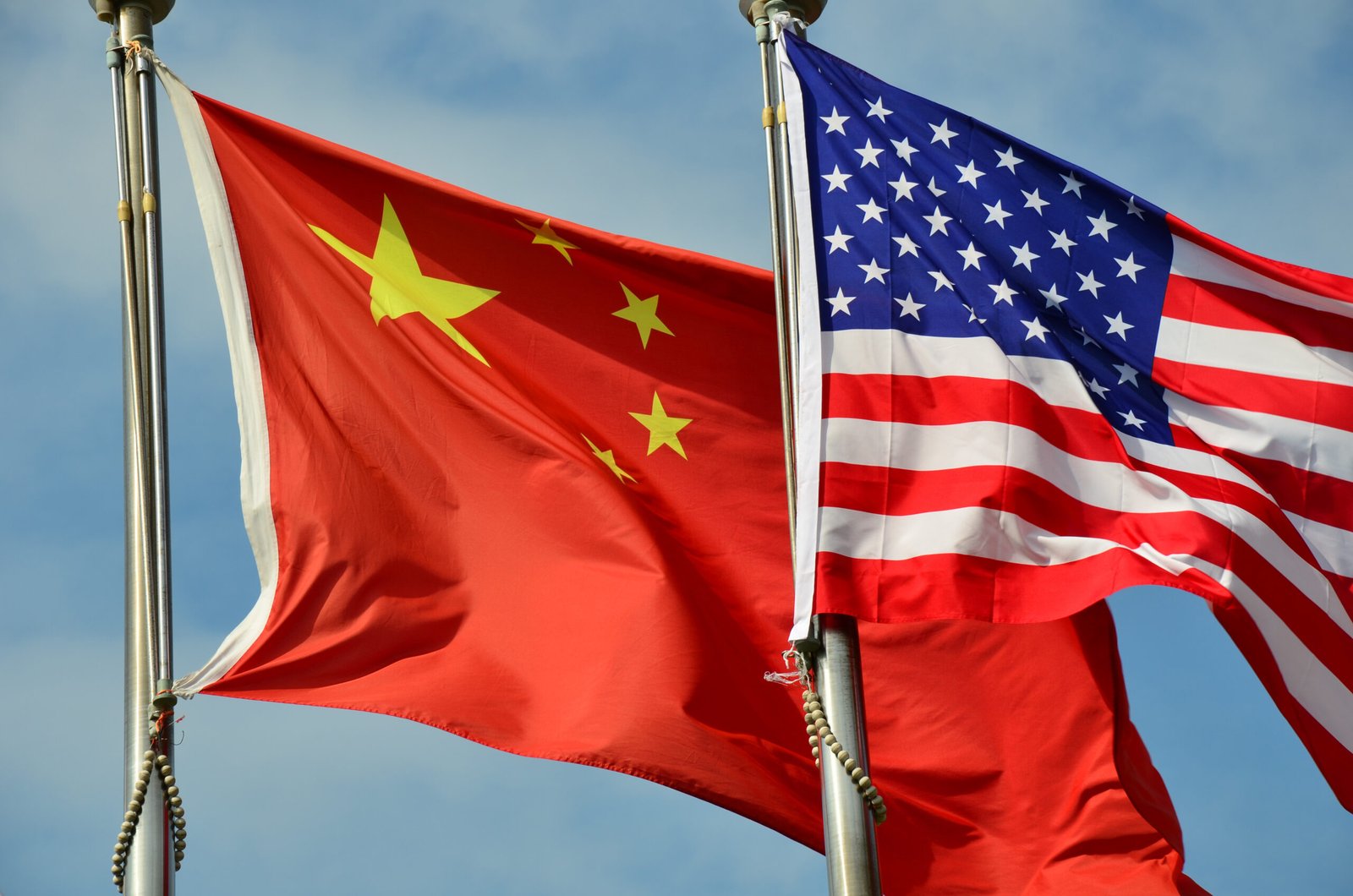
A Farm trade deal strengthens U.S. agricultural exports after China agrees to significantly expand purchases following high-level summit talks between the two nations. The agreement signals renewed cooperation and offers relief to American farmers who faced major losses during previous trade tensions.
China has committed to buying agricultural products from the United States at an annualized rate of seventeen billion dollars through 2028. This deal includes beef, poultry, and other key farm goods that play an important role in U.S. export markets. Officials presented the agreement as a step toward stabilizing agricultural trade relations between the two countries.
Additionally, China will restore access for U.S. beef and resume poultry imports from states that meet animal health standards set by U.S. authorities. These changes allow hundreds of American processing facilities to reenter the Chinese market and rebuild lost export opportunities. As a result, producers expect improved demand and stronger market conditions.
Farm trade deal discussions also include efforts to reduce non-tariff barriers that previously limited agricultural exports. Both sides agreed to address concerns involving certification systems for beef, poultry, and dairy products. They also committed to improving transparency in agricultural trade regulations to avoid future disruptions.
China previously reduced imports of U.S. agricultural goods during earlier trade conflicts, which caused a sharp decline in soybean and beef exports. Many American farmers turned to alternative markets as shipments to China dropped significantly. This shift weakened long-standing trade relationships and created financial pressure across rural communities.
At the same time, China increased the diversification of its agricultural imports by sourcing soybeans and other commodities from countries such as Brazil and Argentina. This strategy reduced dependence on a single supplier and reshaped global agricultural trade flows. However, U.S. officials view the new agreement as an opportunity to regain market share.
The farm trade deal builds on earlier commitments that included soybean purchase targets agreed during previous negotiations. Although China fell short of historical import levels in recent years, the new arrangement aims to improve consistency and long-term stability. Industry groups continue to emphasize the importance of predictable demand for planning future harvests.
Despite the progress, officials acknowledge that full implementation details remain uncertain. Beijing has not independently confirmed all terms of the agreement, and both sides still need to finalize several technical issues. However, the overall direction of the talks suggests gradual improvement in agricultural cooperation.
Ultimately, the agreement reflects a broader effort to reduce tensions and expand economic cooperation between the United States and China. The farm trade deal could reshape agricultural export patterns and provide renewed opportunities for farmers if both sides maintain commitments.

