
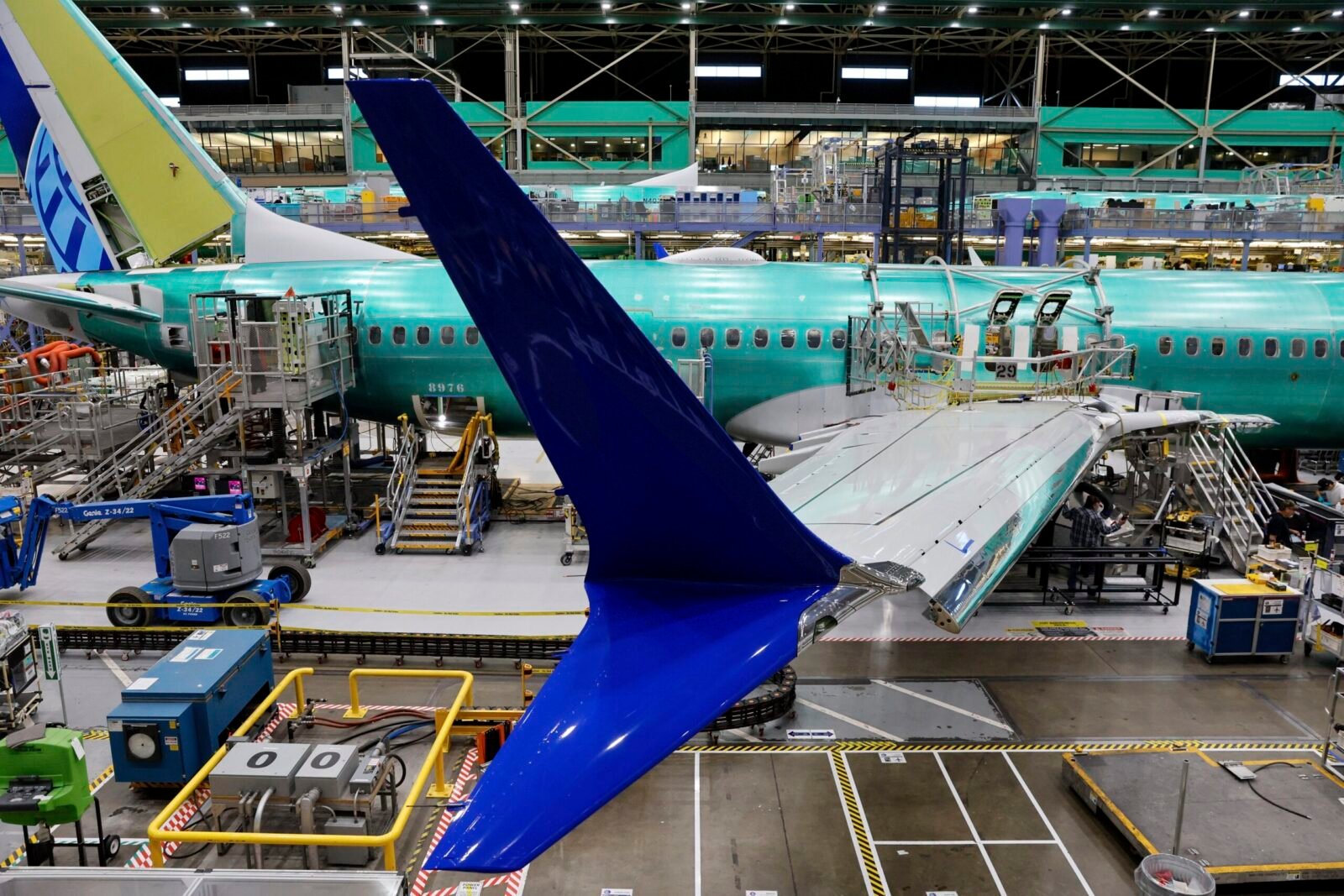
Boeing increased factory hiring as aviation job growth accelerates across the aerospace manufacturing sector globally. The company now recruits more than one hundred workers weekly to support rising production demands. This hiring surge also helps replace retiring employees across multiple production facilities. The expansion reflects stronger demand for commercial aircraft and long-term industry recovery.
Union representatives report that Boeing’s workforce in the Pacific Northwest continues to grow steadily. The region now employs more than thirty-four thousand unionized factory workers. Officials expect these numbers to rise further as production targets increase. The company focuses on strengthening staffing levels across multiple aircraft programs.
A Boeing spokesperson stated that the company continues to see strong interest in manufacturing jobs. They emphasized that hiring supports higher production rates and long-term operational goals. The company also works to fill roles across different departments, including logistics and assembly. Aviation job growth continues to shape workforce planning across the sector.
The company plans to staff additional production lines for its popular 737 MAX aircraft. It also continues preparing for increased output of the 777X program. These projects require skilled workers across assembly, tooling, and transportation roles. Aviation job growth remains closely tied to these expansion efforts.
Industry data shows aerospace employment in Washington state has increased in recent months. Job numbers previously declined but have now begun recovering steadily. Analysts link this trend to rising aircraft demand and improved production stability. Aerospace companies continue hiring to meet global airline requirements.
Suppliers across the aviation industry also report increased hiring activity this year. One major aerospace supplier expects to add more than one thousand new positions. These roles include engineering, manufacturing, and support functions across multiple sectors. Aviation job growth continues across both manufacturers and suppliers.
Industry leaders also highlight ongoing labor shortages affecting technical aviation roles. Training programs and apprenticeships now play a major role in workforce development. Boeing continues expanding its apprenticeship initiatives to build specialized technical skills. Companies rely on these programs to strengthen long-term staffing pipelines.
Officials say current hiring levels remain steady but below earlier peak expansion periods. However, they describe the trend as more stable and sustainable over time. They expect continued growth as airline demand and production needs remain strong. Aviation job growth will likely continue influencing aerospace industry employment trends.