
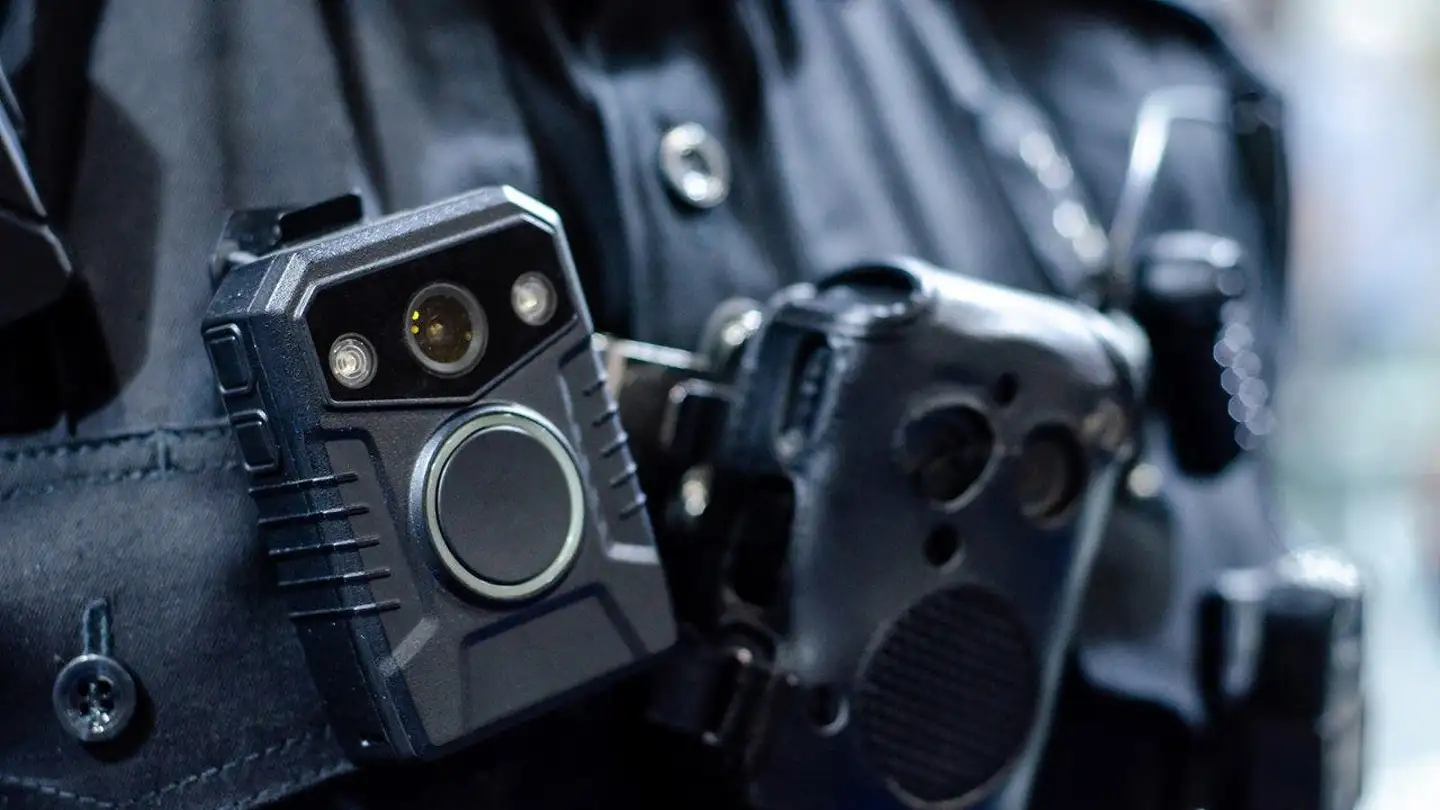
Body Camera concerns have moved to the forefront after a New Hampshire lawmaker challenged traffic charges without recorded police footage. Meanwhile, the case has reignited discussions about law enforcement funding, transparency, and accountability across the state.
The legal dispute involves Democratic state Representative Ellen Read, who faces charges from two separate traffic stops. Additionally, one incident includes allegations that she drove at speeds reaching 107 miles per hour on a New Hampshire roadway.
Read argues the traffic stops violated a constitutional provision protecting lawmakers while traveling to legislative responsibilities. However, local authorities maintain that constitutional protections do not exempt elected officials from ordinary traffic enforcement.
The controversy has drawn additional attention because the sheriff’s office involved does not use body-worn cameras or dashboard cameras. Consequently, no official video recording exists to document the disputed traffic encounter.
Officials from the Rockingham County Sheriff’s Office explained that limited financial resources prevented the agency from purchasing recording equipment. Furthermore, department representatives stated they would welcome camera systems if sufficient funding became available.
The absence of recorded evidence has intensified legal arguments surrounding the disputed speeding allegations and constitutional interpretation. Therefore, attorneys must rely primarily on testimony and other available evidence during future court proceedings.
New Hampshire previously established a grant program designed to help local police agencies purchase recording technology. Additionally, the program offers financial assistance for maintenance, equipment replacement, and long-term digital storage expenses.
Even so, state law does not require every police agency to adopt body-worn cameras or dashboard recording systems. Instead, departments may choose whether to participate while following established operational policies if they implement the technology.
It remains unclear whether the Rockingham County Sheriff’s Office previously applied for funding through the available state grant program. Nevertheless, officials indicated they support adding recording equipment when financial conditions allow.
Read said she has consistently supported legislation addressing police Body Camera policies and funding opportunities. Moreover, she expressed willingness to assist the sheriff’s office in securing additional resources during future state budget discussions.
She also explained that she supports investing in recording technology despite questioning other categories of law enforcement spending. According to Read, transparency tools deserve priority because they protect both officers and members of the public.
Read disputed claims suggesting she personally recorded portions of the disputed traffic stop using her cellphone. Instead, she stated another individual listened during a phone conversation and later testified about relevant events.
According to Read, she admitted exceeding the speed limit but rejected allegations that she traveled at 107 miles per hour. Furthermore, she indicated she would accept responsibility for ordinary speeding while continuing to challenge the reckless driving accusation.
Her constitutional argument focuses on legislative travel protections rather than complete immunity from prosecution or legal accountability. Therefore, she argues the provision prevents unnecessary delays instead of permanently blocking future court proceedings.
Legal scholars have also weighed in on the constitutional dispute surrounding the historical language within New Hampshire’s governing document. According to legal analysis, the provision originally sought to prevent interference with legislative duties rather than eliminate accountability.
Experts further suggested courts will likely evaluate the constitutional argument after lower court proceedings conclude. Consequently, the state’s highest court has not yet issued a final decision regarding the legal interpretation.
Law enforcement officials argued the constitutional language cannot reasonably shield lawmakers from dangerous driving allegations or serious offenses. Additionally, they warned that broader interpretations could undermine public safety and equal application of traffic laws.
Read acknowledged the constitutional provision predates modern transportation and may require updated language reflecting current circumstances. However, she believes lawmakers should preserve the original purpose while clarifying how courts should apply it today.
Meanwhile, the broader public discussion continues extending beyond one individual traffic case toward statewide policing policies. Ultimately, the dispute highlights ongoing questions regarding Body Camera funding, constitutional protections, and transparency during police encounters across New Hampshire.

