
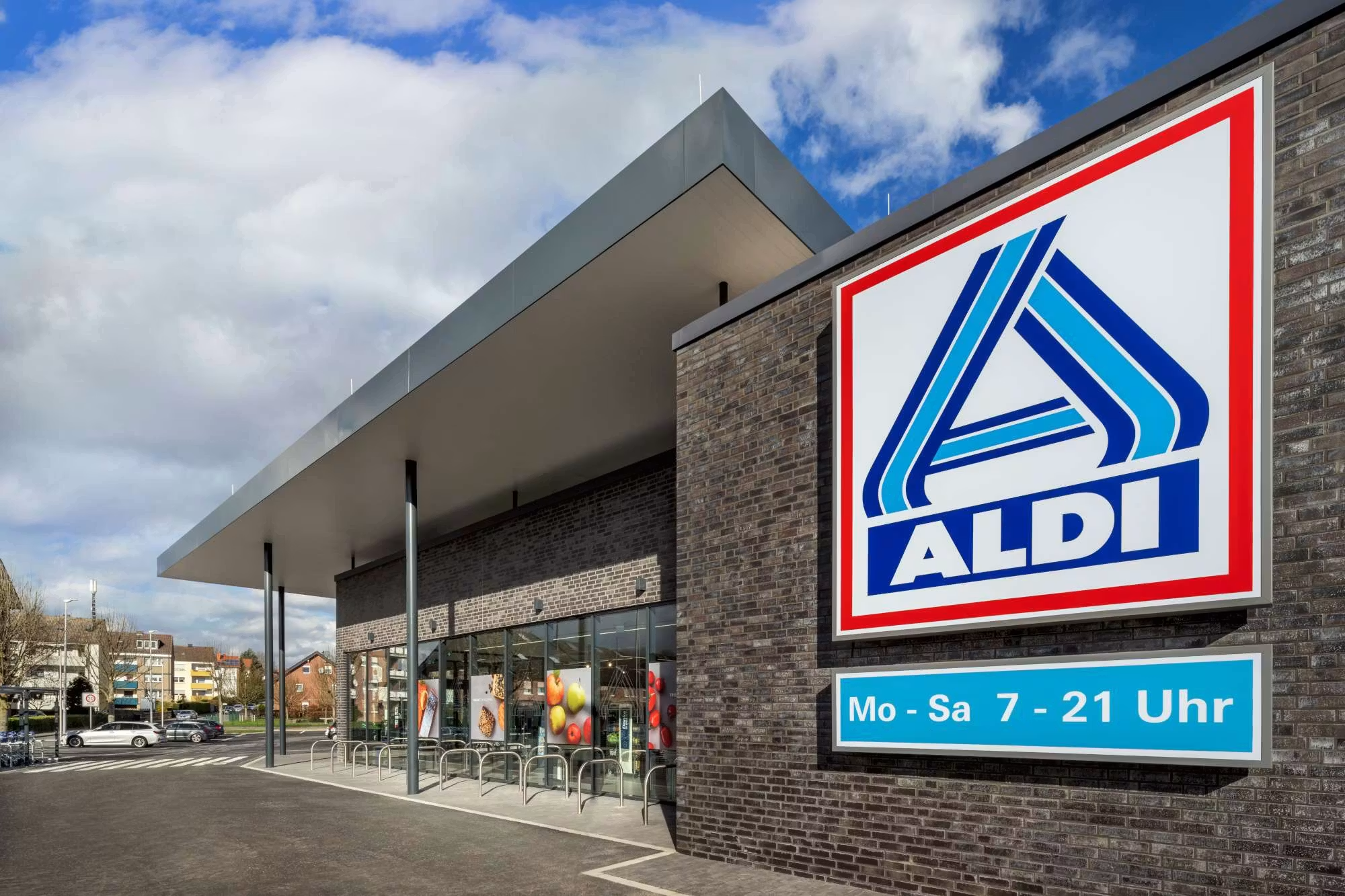
Aldi expansion is changing the US grocery market as the German retailer grows its presence with low prices and smaller store formats. The company is attracting shoppers who want affordable products while traditional supermarkets face increasing competition.
Aldi gained attention after opening a new location in Manhattan, where customers discovered major savings on everyday items. Some shoppers praised the store after comparing its prices with more expensive grocery options in their neighborhoods.
The Manhattan store operates beneath a luxury apartment building, creating an unusual contrast between high-end surroundings and discount shopping. Despite its hidden location, the store quickly attracted customers searching for lower grocery prices.
The company plans a major US growth strategy that includes hundreds of new stores over the next several years. Aldi wants to move beyond suburban areas and reach more customers in busy urban markets.
Furthermore, Aldi’s growth follows a successful expansion across Europe. The retailer built a strong reputation by offering affordable products while improving customer opinions about quality and value.
In European markets, Aldi attracted shoppers who previously preferred traditional supermarket chains. Rising living costs also encouraged more consumers to search for cheaper grocery alternatives.
However, Aldi does not aim to replace the largest US retailers completely. The company still controls a smaller portion of the American grocery market compared with major competitors.
Instead, analysts say Aldi succeeds because of its efficient business model. The retailer reduces costs by limiting product choices, focusing on private brands, and operating smaller stores.
The Aldi expansion strategy has helped the company attract middle-income and higher-income shoppers looking for ways to save money. Inflation has pushed many households to change shopping habits and choose more affordable stores.
Additionally, newer Aldi locations have received positive responses from urban shoppers. Many customers appreciate brighter stores, convenient locations, and affordable fresh food options.
However, Aldi faces challenges when competing with retailers that offer wider product selections. Some shoppers prefer stores with more national brands, organic choices, and premium grocery sections.
The company’s limited product range helps maintain lower prices, according to retail experts. By offering fewer choices, Aldi reduces expenses related to inventory, storage, and store operations.
Nevertheless, expanding in major cities creates new difficulties for Aldi. High real estate prices, transportation problems, and crowded streets can increase the cost of running urban locations.
The Aldi expansion also requires detailed planning because city deliveries involve complex logistics. The company uses smaller trucks and scheduled deliveries to manage difficult urban conditions.
Although Aldi continues growing, analysts believe competing directly with Walmart remains challenging. Larger retailers benefit from huge investments in technology, supply chains, and additional business services.
Still, Aldi’s focused strategy gives the company a unique position in the grocery industry. The retailer continues attracting customers who prioritize value, efficiency, and affordable shopping experiences.
For many shoppers, the competition between grocery chains matters less than saving money on everyday purchases. Aldi’s continued growth shows how changing consumer habits are reshaping the American supermarket industry.

