
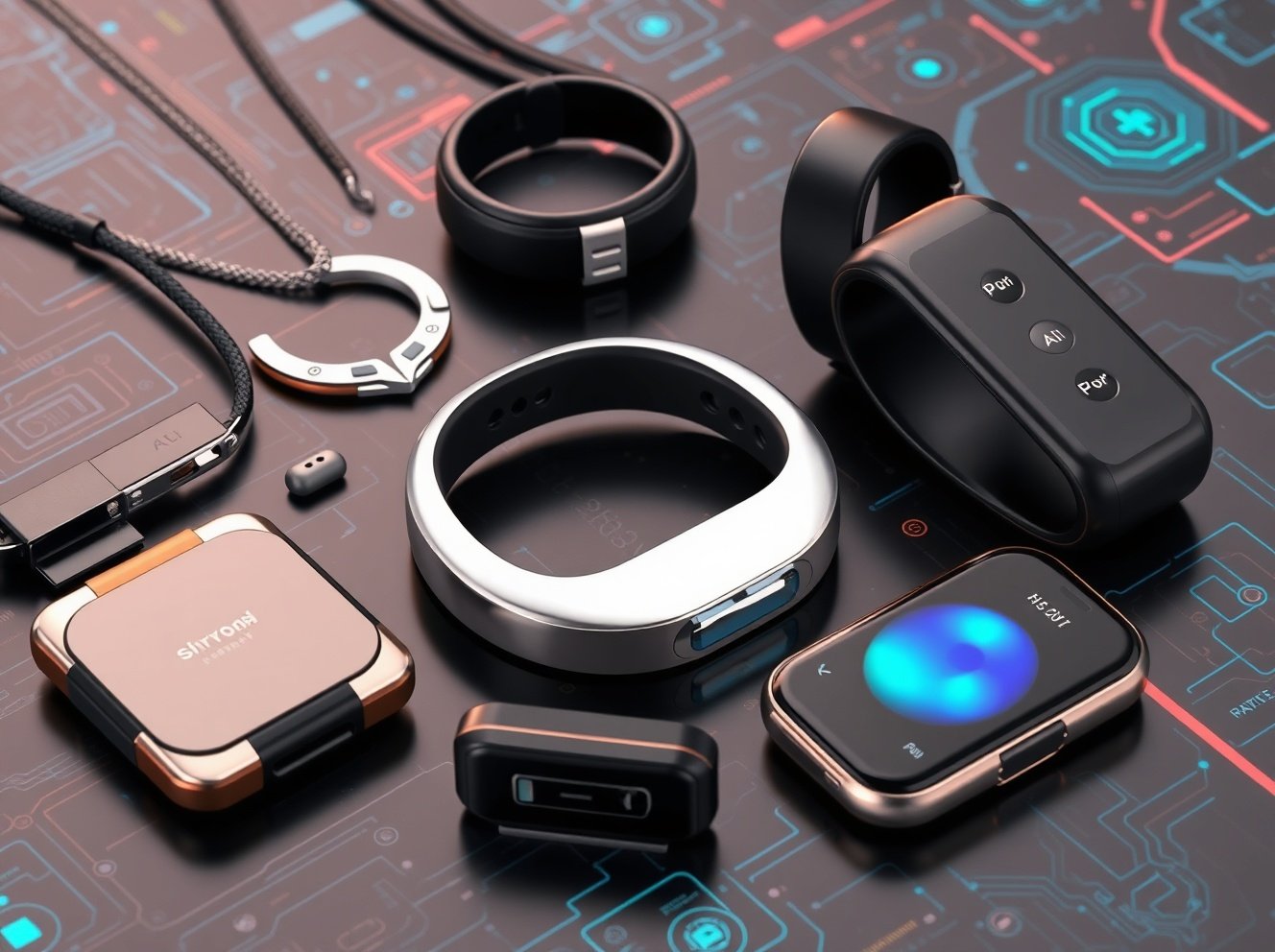
AI Wearables are becoming a major focus for technology companies as they develop devices designed to see, hear, and understand everyday activities. These products promise more personalized assistance through artificial intelligence, although they also raise important questions about privacy, consent, and how people may adapt to constantly connected technology.
Technology companies increasingly believe wearable devices could eventually replace many smartphone functions. Instead of reaching for a phone, users may rely on smart glasses, bracelets, pins, or small recording devices that continuously gather information from their surroundings. Consequently, AI assistants could respond more quickly because they receive real-time context throughout the day.
Several companies already offer wearable products equipped with cameras, microphones, and artificial intelligence features. These devices identify objects, answer questions about nearby locations, record conversations with permission, and generate summaries or reminders based on user interactions. As a result, developers believe wearable technology can simplify everyday tasks while reducing dependence on traditional mobile devices.
During real-world testing, wearable devices demonstrated several practical advantages across professional and personal environments. Smart glasses quickly identified landmarks, answered questions about nearby attractions, and captured photos without requiring users to unlock a smartphone. Meanwhile, wearable audio recorders summarized conversations and suggested useful follow-up actions after networking events and business meetings.
However, everyday social situations presented greater challenges for wearable technology. Although users could request permission before recording conversations, many people still found the process uncomfortable during casual gatherings with friends, coworkers, and family members. Therefore, some devices spent more time stored away than actively used despite offering useful capabilities.
Artificial intelligence also attempted to interpret personal conversations beyond simple reminders. For example, wearable assistants occasionally generated emotional observations or lifestyle suggestions after analyzing discussions about future plans. Although developers designed these recommendations to become more accurate over time, early conclusions sometimes misunderstood users’ intentions or emotional states.
Companies developing these products acknowledge that AI assistants improve as they collect additional context from everyday activities. Users can also correct inaccurate suggestions, allowing systems to refine future recommendations through ongoing feedback and repeated interactions. Consequently, manufacturers expect personalization to become more reliable as these technologies continue evolving.
Technology executives believe constant contextual awareness could redefine digital assistants over the coming years. Instead of responding only to direct requests, future AI systems may proactively organize schedules, recommend tasks, and complete routine activities using information gathered throughout the day. Supporters argue this approach creates assistants that better understand user preferences and daily routines.
Developers also envision wearable devices improving workplace productivity across numerous industries. By analyzing meetings, conversations, and recurring responsibilities, AI assistants could reduce repetitive administrative work while helping professionals complete tasks more efficiently. Therefore, many companies continue investing heavily in wearable artificial intelligence research and development.
Despite these potential benefits, privacy experts continue expressing concerns about devices capable of continuously recording surrounding environments. Unlike smartphones, many wearable products remain less noticeable, making it more difficult for nearby individuals to recognize when recording occurs. Consequently, obtaining meaningful consent becomes increasingly challenging in public and private settings alike.
Manufacturers have introduced visible recording indicators designed to improve transparency. Smart glasses and wearable recorders typically activate small lights whenever cameras or microphones capture content. Additionally, some products prevent recording when users intentionally block camera sensors. Even so, critics argue these safeguards may not always provide sufficient awareness for everyone nearby.
Privacy advocates also warn that discreet wearable devices could appear in locations where recording creates legitimate concerns. Dressing rooms, healthcare facilities, workplaces, and other sensitive environments require stronger protections because individuals reasonably expect greater privacy. Therefore, experts continue encouraging clear policies governing responsible use of these emerging technologies.
Technology leaders nevertheless remain confident that wearable artificial intelligence will continue expanding rapidly. Some executives argue future devices offering continuous AI assistance could provide significant advantages for learning, productivity, and decision-making compared with traditional computing methods. Consequently, competition within the wearable technology market continues accelerating.
Although smartphones remain central to everyday digital life, wearable devices continue gaining attention as artificial intelligence evolves. Whether consumers fully embrace this transition will likely depend on balancing innovation with privacy protections, transparent design, and responsible data practices. As AI Wearables become increasingly capable, their long-term success may depend as much on public trust as technological advancement.

