
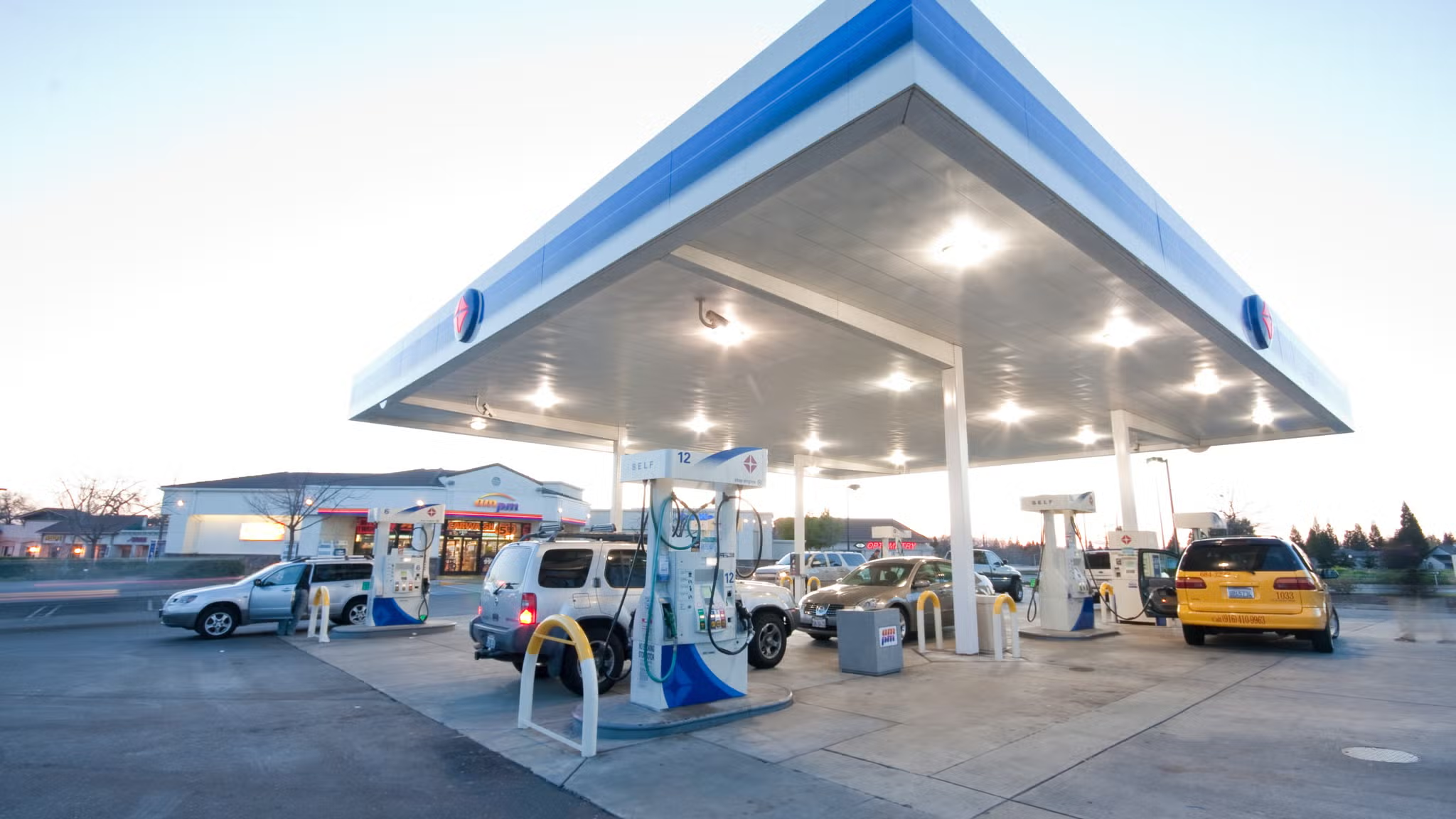
U.S. gas prices reached record levels for the Labor Day weekend as energy costs continued rising across the country. The increase comes as millions of Americans prepare for holiday travel by car or plane. Meanwhile, higher fuel expenses are placing additional pressure on household budgets and transportation businesses.
The national average gasoline price could reach about $4.03 per gallon on Labor Day. That would exceed the previous Labor Day record of $3.83, which occurred in 2012. However, the national average already stood near $4.13 per gallon during Thursday. That figure represented an increase of almost one dollar from the same period last year.
Consequently, fuel costs have become an increasingly visible concern for American consumers. Gasoline prices often influence how people view broader economic conditions. Therefore, sustained prices above $4 have created additional challenges for households. Drivers must now consider higher fuel expenses when planning routine trips and holiday travel.
At the same time, rising crude oil prices have contributed significantly to higher costs at American fuel stations. Crude prices moved above $90 per barrel during the week. Renewed fighting between the United States and Iran increased concerns about potential disruptions. As a result, energy markets responded to worries about future supplies.
Additionally, prices for diesel and heating oil have climbed alongside gasoline. Refinery disruptions abroad have raised concerns about tighter supplies of refined petroleum products. Therefore, transportation companies face increased operating costs as diesel becomes more expensive. Those higher costs can eventually affect deliveries, groceries, and other everyday consumer products.
For many drivers, the increases have already changed their spending decisions. Some motorists say they have reduced travel because fuel now consumes more household income. Furthermore, families already facing higher grocery expenses have less flexibility for additional transportation costs. Consequently, some Americans are reconsidering traditional Labor Day trips.
The pressure also extends beyond personal vehicles. Airlines face higher fuel expenses, while shipping companies must manage increased diesel costs. Meanwhile, retailers and delivery businesses can experience higher transportation expenses across their supply chains. Those increases can eventually reach consumers through higher prices for goods and services.
Several states have experienced particularly sharp increases in gasoline prices since energy disruptions began. California, Hawaii, and Washington currently rank among the states with the highest average prices. Meanwhile, several northern and western states have recorded some of the largest recent increases. Regional differences reflect variations in supply, transportation, taxes, and refinery capacity.
At the same time, U.S. fuel exports have increased compared with last year. Refined petroleum product exports have risen by more than 10 percent. Therefore, strong international demand has added another factor to the domestic fuel market. More exports can tighten available supplies when global markets face significant disruptions.
U.S. refineries are already operating at exceptionally high levels. Refinery utilization reached about 98 percent, marking the highest level since 2018. As a result, producers have limited room to increase output quickly. Furthermore, policymakers have already taken several steps intended to improve domestic fuel availability.
U.S. gasoline inventories also declined during the latest reporting week. Inventories fell by roughly 1.2 million barrels to about 205.7 million barrels. That level remained below the five-year August average of approximately 217.6 million barrels. Consequently, tighter inventories could keep pressure on prices if supply concerns continue.
Higher fuel costs are also affecting other forms of transportation. Air travelers could pay significantly more for holiday flights compared with last year. Meanwhile, record diesel prices create additional challenges for trucking and other industries. Therefore, businesses may face continued pressure even after the holiday weekend ends.
Overall, gas prices remain a major economic concern for American households. International conflicts, crude oil costs, refinery disruptions, exports, and limited inventories all contribute. However, consumers continue adjusting their spending as fuel becomes more expensive. For now, the combination of elevated gasoline and diesel prices remains a significant challenge.

