
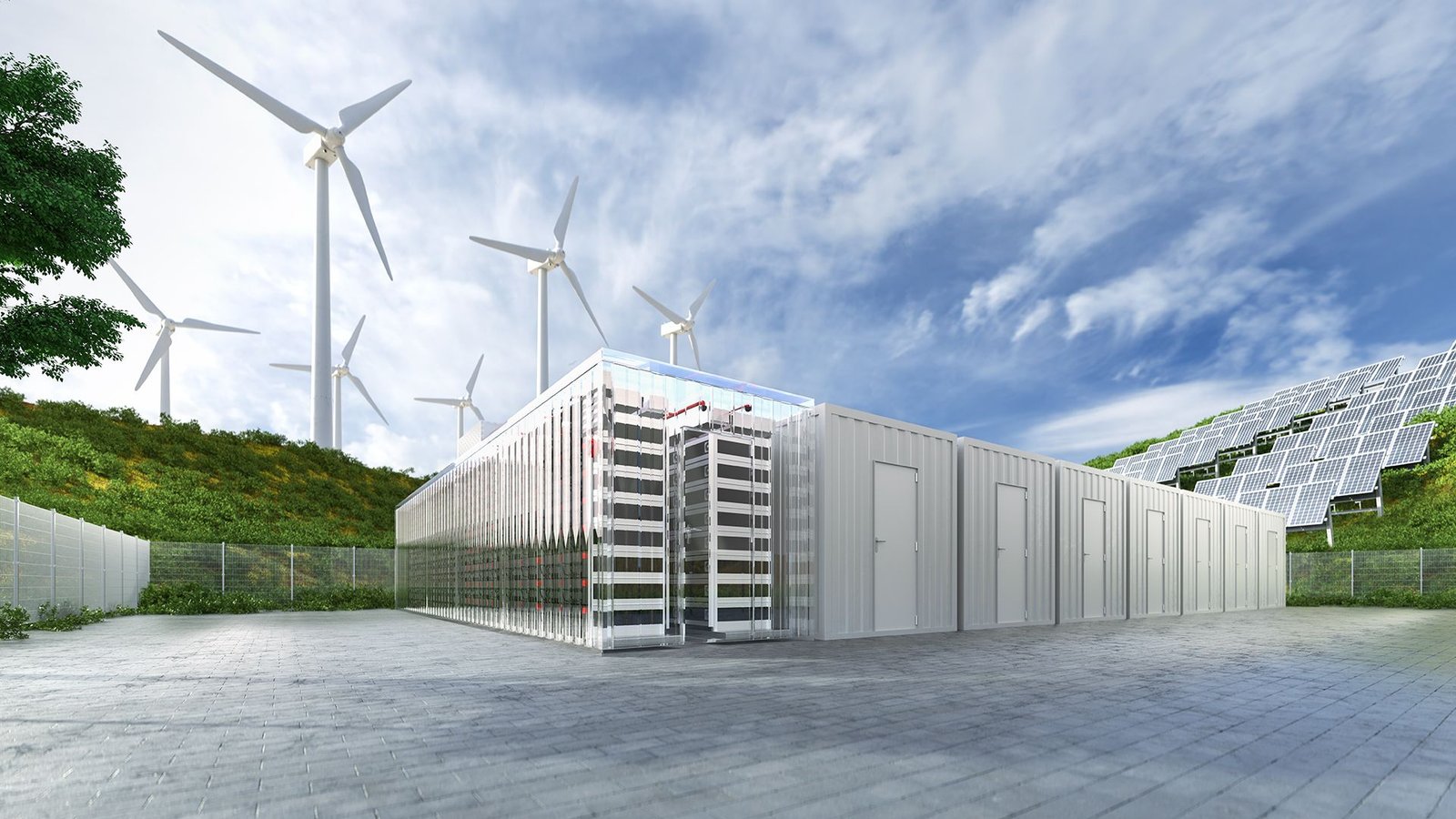
Battery storage reached a new quarterly record in the United States during the second quarter of 2026. The country added 20.2 gigawatt-hours of new capacity during those three months. As a result, total installations for the first half reached 30.8 GWh.
The latest figures show a 23% increase compared with the same period last year. The growth also highlights the expanding role of batteries across the American electricity system. Large utility projects drove most of the increase during the quarter. Meanwhile, residential installations faced a much weaker period.
Utility-scale projects accounted for roughly 18 GWh of the new capacity. Seven major projects reached gigawatt-scale capacity during the quarter. Four projects were located in Arizona, while California hosted two. Utah accounted for the remaining project.
Arizona recorded its strongest quarterly result to date, adding 6.2 GWh of capacity. Texas followed with 3.8 GWh during the same period. California added another 3.6 GWh to its existing battery network. Together, those states remained major contributors to national storage growth.
However, battery development is spreading across a wider group of states. Nevada, Oregon, Colorado, and several other markets are seeing stronger project pipelines. This broader expansion suggests that battery systems are becoming more important across regional power networks.
Batteries can store electricity when supply is plentiful and prices remain relatively low. They can then release that energy when demand increases. This ability can help grid operators manage periods of heavy electricity use. It can also provide additional support during extreme weather.
The technology becomes particularly useful during hot summer evenings. Solar production often falls after sunset, while air-conditioning demand can remain high. Stored electricity can help cover part of that gap. Therefore, large batteries can support grid reliability during demanding periods.
The report also found strong growth in battery use across the wider electricity system. During the first eight months of 2026, batteries supplied more electricity than during all of 2025. That result points to faster adoption and greater use of existing storage facilities.
More than 74% of the battery capacity added during the second quarter entered states won by Donald Trump in 2024. Arizona, Texas, and Utah were among the leading markets. However, the report does not link individual investment decisions directly to a presidential administration.
Instead, the figures show where new projects entered service during the period. They also demonstrate how quickly storage capacity has expanded across different American markets. Utility-scale battery capacity rose from 88 GWh to 165 GWh during the first 18 months of the Trump administration.
Forecasts now point toward even stronger growth through the end of the decade. Benchmark Minerals increased its US storage forecast through 2030 by 11.5%. The revised forecast now stands at 683 GWh. More than 10% of current US battery capacity also came online during the second quarter alone.
Residential storage followed a very different path during the quarter. US households added 657 MWh of battery capacity in Q2. That figure represented a 27% decline from the same period last year.
The report connected part of that decline to changes in federal clean energy incentives. Homeowners also accelerated some installations during 2025 before the incentive change took effect. As a result, the residential market experienced a weaker comparison during 2026.
Despite the short-term decline, analysts still expect long-term demand for home batteries. Rising electricity costs could encourage more households to install storage systems. Changing net-metering policies may also influence future demand. Power outage concerns could provide another reason for homeowners to consider batteries.
Utilities are also expanding programs that can use residential batteries. These include virtual power plants and demand-response programs. Such programs allow connected batteries to support electricity networks when demand rises.
Commercial and industrial storage also recorded growth during the second quarter. Those projects added about 1.8 GWh of capacity. Data centers could become an important source of future demand. Developers increasingly need flexible power resources as electricity requirements continue rising.
Battery manufacturers are expanding alongside demand for new storage projects. Tesla brought its third Megafactory online in Texas during the quarter. The facility can produce up to 50 GWh of Megapacks each year.
The company also began shipping Megapacks that use lithium iron phosphate cells made domestically. That development adds manufacturing capacity within the United States. It also reflects growing efforts to expand domestic battery production.
Benchmark now expects the US to install about 71 GWh of storage during 2026. That would represent roughly 20% growth compared with 2025. Utilities and grid operators are expanding storage as electricity demand continues to rise.
Overall, the latest figures show a rapidly changing US energy storage market. Large projects continue to drive the strongest growth across the country. At the same time, residential and commercial markets face different conditions. Even so, expanding demand suggests batteries will play a larger role in the US power system.