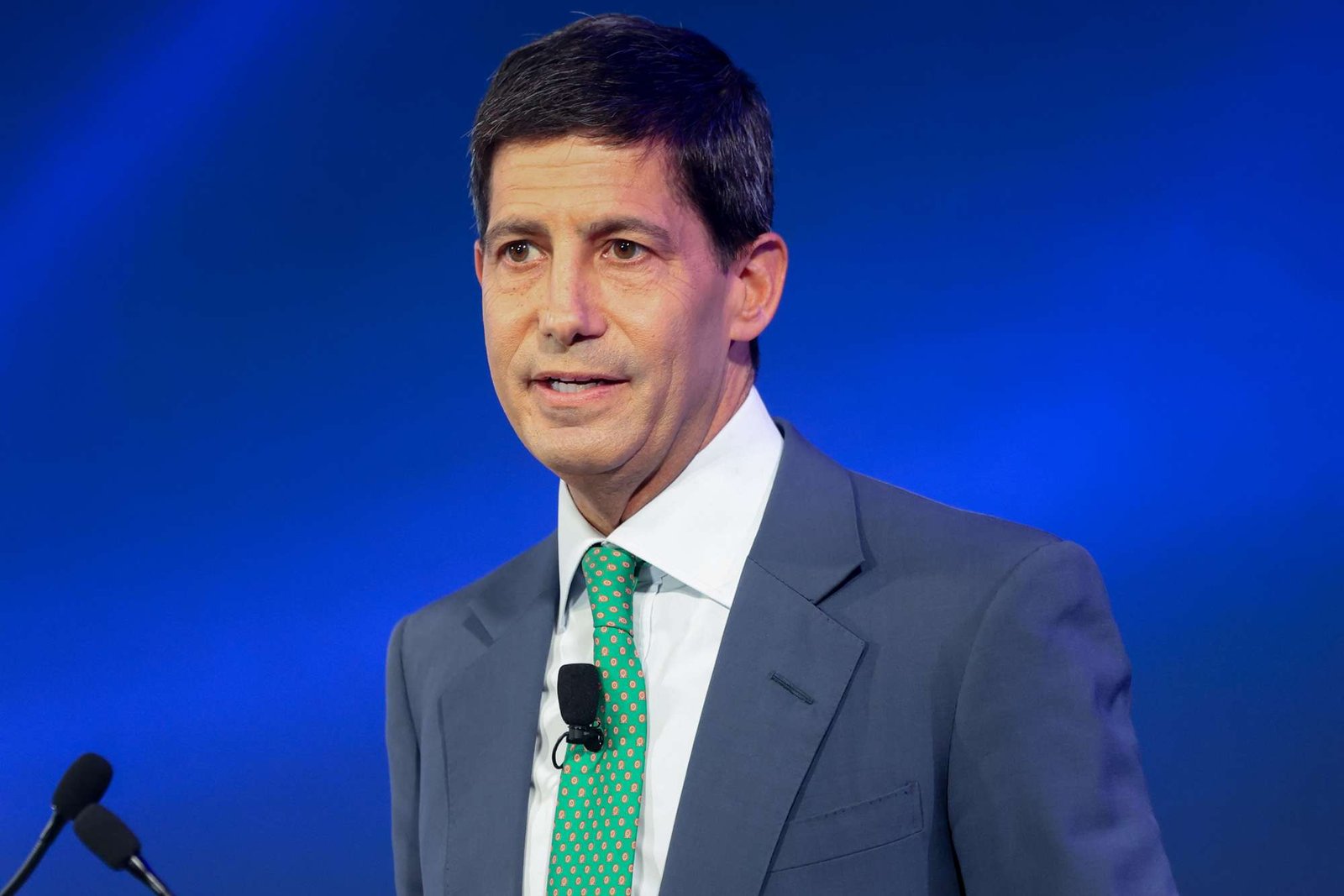
Fed rate hikes could return twice this year after Federal Reserve Chair Kevin Warsh delivered a more hawkish policy message. Barclays now expects the central bank to increase borrowing costs during both September and December meetings. Previously, the brokerage expected officials to leave interest rates unchanged through the rest of 2026.
Warsh’s recent comments at the Federal Reserve’s annual economic symposium in Jackson Hole changed expectations surrounding monetary policy. He indicated that officials still need stronger evidence showing inflation will return sustainably toward the central bank’s 2% target. Therefore, his remarks suggested policymakers could consider additional increases if price pressures remain elevated.
The Federal Reserve chair also argued that inflation remains too high despite recent progress across several economic indicators. Furthermore, he said financial conditions currently do not appear restrictive enough to ensure continued progress. He also described labor market conditions as consistent with full employment, strengthening his argument for maintaining price stability.
Barclays interpreted those comments as a clear shift toward a more restrictive monetary policy position. The brokerage believes Warsh’s speech created an implicit argument for additional tightening despite his opposition to explicit forward guidance. Consequently, Barclays changed its expectations and now forecasts two quarter-point increases before the end of this year.
The first increase could come during the Federal Reserve’s September policy meeting. Meanwhile, Barclays expects another 25-basis-point increase during the December meeting. Each move would raise the federal funds rate by one-quarter percentage point if policymakers follow that projected path.
However, Barclays continues to expect some monthly inflation measures to improve during the coming months. The brokerage nevertheless warned that longer-term inflation measurements could remain difficult because unfavorable comparison effects may emerge. As a result, policymakers could focus more heavily on broader inflation trends when assessing future decisions.
Financial markets have also adjusted their expectations following Warsh’s latest remarks. Investors have increased their bets on a September interest-rate increase as officials prepare for another policy decision. Market pricing currently indicates a meaningful possibility that policymakers will raise rates during the September meeting.
The shift represents a notable change from expectations held by Barclays earlier in the year. Previously, the brokerage anticipated that the Federal Reserve would maintain its existing interest-rate setting through December. However, Warsh’s comments prompted analysts to reconsider the likely direction of monetary policy.
Meanwhile, investors remain focused on whether inflation continues moving toward the Federal Reserve’s long-term objective. Stronger-than-expected inflation could encourage policymakers to maintain tighter financial conditions for longer. Conversely, weaker price growth could reduce pressure on officials to deliver additional increases.
The labor market will also remain an important consideration as the Federal Reserve evaluates future decisions. Warsh’s assessment suggested employment conditions currently provide policymakers with room to prioritize inflation control. Therefore, officials may have less reason to worry about weakening employment while considering additional monetary tightening.
Higher interest rates could influence borrowing costs for households, businesses, and financial markets. Consequently, additional increases could affect mortgages, corporate financing, consumer loans, and investment decisions. Businesses could also face higher costs when borrowing money for expansion, equipment purchases, or other capital projects.
At the same time, tighter monetary policy could help slow demand if inflation remains above the Federal Reserve’s preferred level. Policymakers generally use higher borrowing costs to reduce excessive demand and bring price pressures under control. However, prolonged tightening can also create challenges for economic growth and business investment.
Fed rate hikes therefore remain a major focus for investors heading into the September policy meeting. Markets will closely examine upcoming inflation, employment, and economic activity data before that decision. Furthermore, additional comments from Federal Reserve officials could influence expectations surrounding the timing of future increases.
Barclays’ revised forecast highlights how quickly financial expectations can change after important central bank communications. Warsh’s comments have already influenced interest-rate futures and strengthened expectations for another potential increase. Nevertheless, the Federal Reserve has not committed to any specific rate path for the remainder of the year.
The September meeting will provide investors with another important indication of how officials view inflation and economic conditions. If policymakers see insufficient progress toward their inflation target, additional tightening could become more likely. However, weaker economic data could encourage officials to reconsider the pace of future rate increases.
Fed rate hikes could consequently remain central to financial-market discussions throughout the final months of 2026. Investors will continue monitoring inflation trends, labor conditions, and Federal Reserve statements for further guidance. For now, Barclays expects two additional increases, marking a significant change from its previous forecast.