
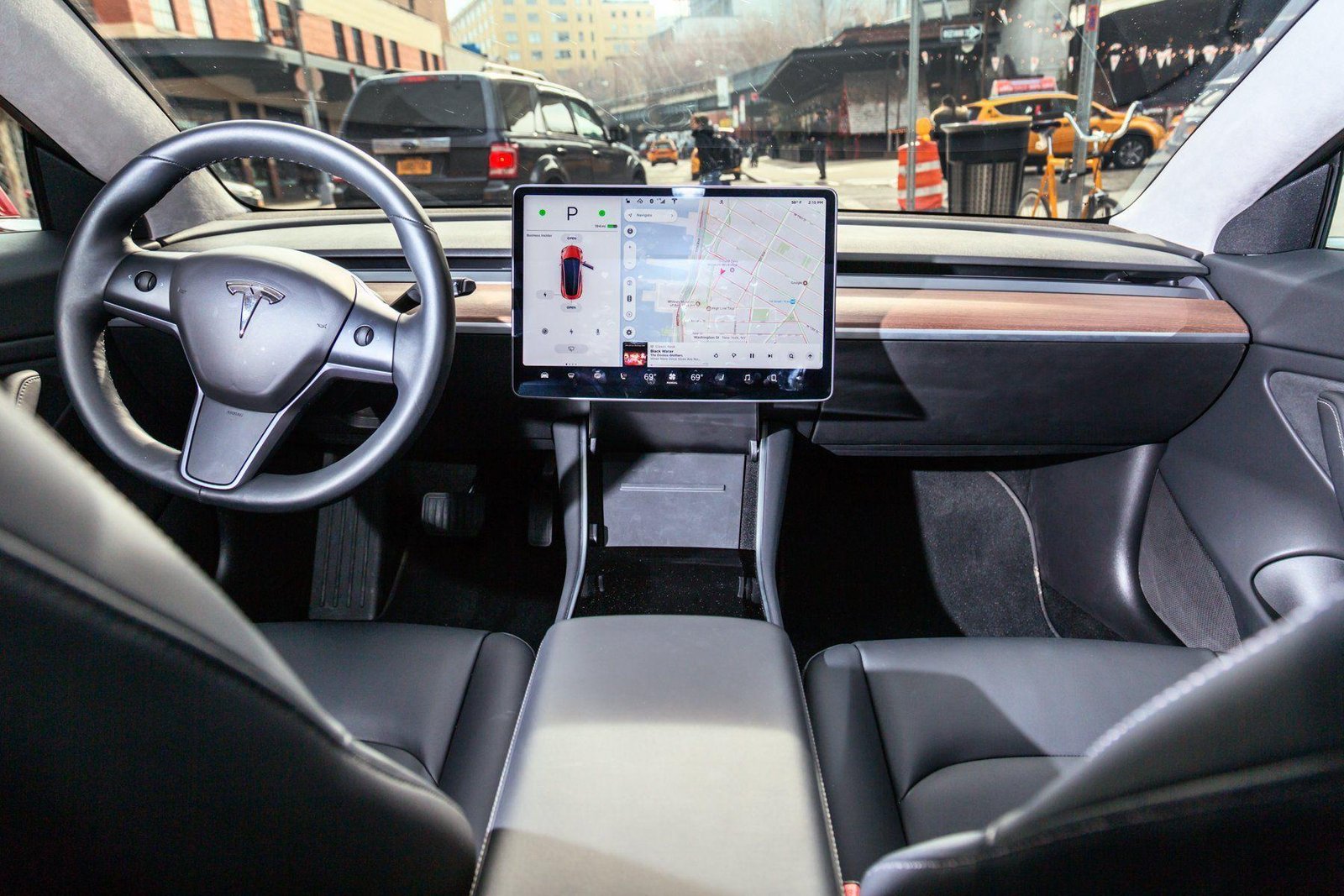
Software-Defined Vehicles are becoming increasingly common, but automakers still face difficult questions about their long-term durability. These vehicles rely heavily on computers, connected systems, and software to manage important functions.
Unlike traditional vehicles, they can receive updates remotely after customers purchase them. Consequently, manufacturers can introduce new capabilities, improve existing features, and address certain problems without requiring physical service visits.
However, this growing dependence on software creates new challenges for owners as vehicles become older. Americans already keep their vehicles for increasingly longer periods, raising concerns about continued software compatibility.
The average vehicle on American roads now remains in service for more than twelve years. Therefore, automakers must consider whether current computer systems can support future software throughout that ownership period.
Companies such as Tesla and Rivian have embraced software-heavy vehicle designs more aggressively than many traditional manufacturers. Their vehicles use sophisticated computing platforms that can support frequent updates and connected services.
Rivian, for example, aims to provide enough computing capacity for several years of software improvements. The company has indicated that its hardware should offer sufficient headroom for approximately seven to ten years.
Nevertheless, feature updates and essential security support represent different challenges for manufacturers. New functions may eventually require more powerful processors, cameras, sensors, or other components than older vehicles contain.
Consequently, some owners could eventually lose access to certain capabilities even though their vehicles remain mechanically functional. This possibility creates concerns about how software-dependent vehicles will retain their value over time.
The automotive industry has already experienced an example of technology becoming obsolete. The shutdown of older cellular networks previously affected connected features in millions of vehicles.
Although those vehicles continued operating, owners lost access to certain connected services. That experience demonstrated how external technology changes can affect vehicle functionality long after purchase.
Tesla has also faced questions about hardware limitations surrounding advanced driver-assistance features. Earlier vehicles received promises regarding future capabilities, yet newer requirements have created demand for upgraded computing hardware.
As a result, customers may eventually face decisions involving hardware upgrades, trade-ins, or reduced functionality. These possibilities could become more common as automakers continue adding sophisticated software to vehicles.
Meanwhile, industry experts expect manufacturers to maintain basic safety and security support for extended periods. Automakers have strong incentives to address software problems because safety issues could create significant liability concerns.
However, long-term software maintenance still requires substantial financial resources. Manufacturers must continue supporting older systems while simultaneously developing newer platforms and technologies.
Hardware failures create another complication because replacing automotive computers can cost considerably more than repairing conventional mechanical components. Furthermore, proprietary systems may require specialized equipment and manufacturer-controlled information.
This situation could influence the used-car market as buyers increasingly evaluate software support alongside mileage and mechanical condition. Vehicles with continuing updates could potentially retain stronger resale values than unsupported models.
At the same time, buyers may struggle to compare software-enabled features because the industry lacks consistent valuation standards. Questions surrounding subscriptions, privacy, calibration, and connected services could therefore affect purchasing decisions.
Software-Defined Vehicles could also create challenges for collectors and enthusiasts decades from now. Classic vehicles traditionally depend on mechanical expertise, replacement parts, manuals, and conventional restoration techniques.
Future owners might instead need specialized software knowledge, diagnostic tools, and access to proprietary vehicle information. Therefore, preserving modern vehicles could become considerably different from restoring older automobiles.
Right-to-repair policies could provide part of the solution by giving owners greater access to vehicle systems. Some manufacturers have already started exploring ways to expand owner access through software updates.
Rivian, for instance, plans to provide owners with broader access to diagnostic and service functions. Such tools could allow customers to identify problems and complete certain basic repairs themselves.
Additionally, artificial intelligence could eventually help owners diagnose vehicle problems through built-in interfaces. This approach could reduce dependence on specialized service centers for simpler maintenance tasks.
However, broader access alone may not solve every long-term support problem. Manufacturers could still control critical software, proprietary data, security systems, and essential diagnostic information.
Industry advocates therefore argue that companies should consider allowing qualified third parties to maintain software when official support ends. Such access could extend vehicle lifespans and reduce unnecessary electronic waste.
Ultimately, Software-Defined Vehicles may remain functional for many years, but their digital lifespan remains uncertain. Automakers must balance innovation with reliability, repairability, affordability, and long-term customer expectations.
As technology continues advancing, vehicle manufacturers will face increasing pressure to design systems that remain useful beyond initial support cycles. The companies that successfully combine continuous innovation with durable support could gain an important advantage.
For consumers, the central question will involve more than how long a vehicle can physically operate. They will also need to consider how long its software, hardware, connected services, and essential features can remain supported.