
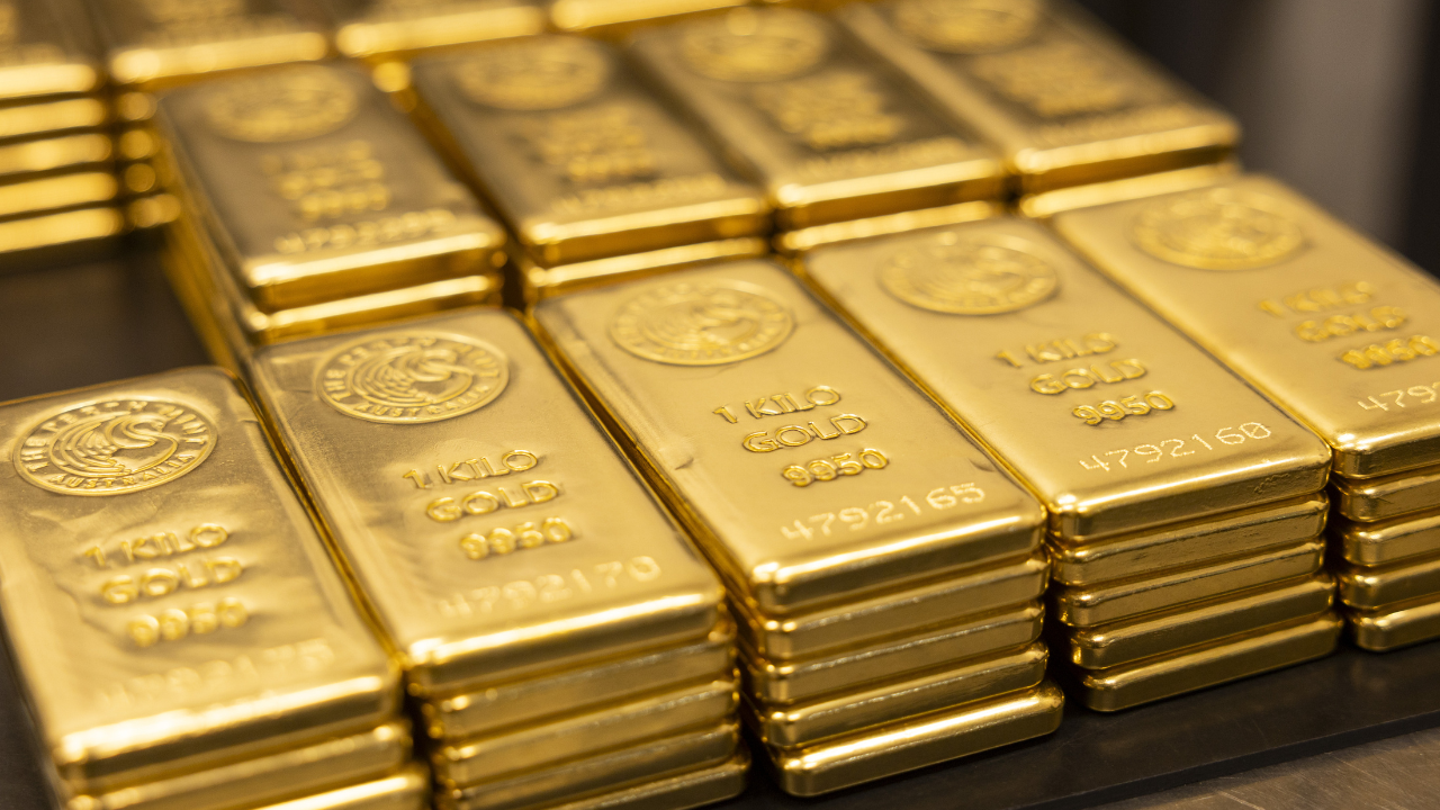
Gold Demand is accelerating among central banks as governments reassess their financial reserves amid inflation and geopolitical uncertainty. A World Gold Council survey found that 89% of central banks expect global gold reserves to increase during the coming year. Moreover, 45% plan to expand their own holdings, representing the highest share recorded in the survey.
The trend reflects growing concern about economic instability, persistent inflation, international conflicts, and changing relationships between major economies. Consequently, governments increasingly view gold as a strategic reserve asset that can provide protection when traditional investments face greater risks.
Central banks have historically relied heavily on government debt, particularly U.S. Treasury securities, to manage national reserves. However, officials in many countries now seek additional diversification because they want protection beyond currencies and sovereign debt.
Gold offers several characteristics that make it attractive during periods of financial stress and international uncertainty. Unlike currencies, gold does not depend directly on the economic policies of one government. Furthermore, investors around the world recognize its value, allowing central banks to maintain an asset with broad international acceptance.
The survey highlights several reasons behind the continuing accumulation. Around 90% of respondents identified gold’s performance during financial crises as an important reason for holding it. Meanwhile, 84% cited its ability to preserve value over time and provide protection against inflation.
Additionally, 83% of central banks said gold helps diversify their reserves. Together, those factors have encouraged institutions to continue purchasing the precious metal despite elevated prices.
China has attracted considerable attention for its purchases, but several other countries have also expanded their reserves. Poland, Uzbekistan, Kazakhstan, the Czech Republic, Chile, Jordan, and Ghana rank among notable buyers during the current period.
Meanwhile, the United States continues to possess the world’s largest official gold reserve. However, analysts say developing economies currently account for much of the additional buying because they want less exposure to currencies controlled elsewhere.
The changing reserve strategy could also affect the future balance between gold and the U.S. dollar. Nearly 74% of surveyed central banks expect the dollar’s portion of worldwide reserves to decline over five years. At the same time, those institutions anticipate gold will occupy a larger share.
That expectation does not necessarily signal an immediate collapse in the dollar’s international importance. Instead, it indicates that many central banks want broader protection against potential economic and geopolitical disruptions.
The same concerns have also influenced private investors, particularly as gold prices remain near historically elevated levels. Rather than rapidly selling their holdings, many individuals appear willing to retain gold despite the opportunity to lock in gains.
That behavior suggests investors increasingly view precious metals as long-term financial protection instead of short-term trading instruments. Nevertheless, rising prices do not automatically mean every investor should purchase gold.
Gold can fluctuate significantly, and unlike interest-bearing assets, physical gold does not generate regular income. Therefore, individual investors must consider their financial circumstances, risk tolerance, investment objectives, and broader portfolio diversification before making decisions.
For central banks, however, the current Gold Demand reflects a broader shift in reserve management. Policymakers increasingly emphasize resilience as governments confront inflation, trade disputes, military conflicts, and uncertain economic conditions.
The continued purchases also show how financial institutions are responding to risks that extend beyond ordinary market fluctuations. Rather than relying exclusively on currencies and government securities, central banks are building more diversified reserve portfolios.
Ultimately, Gold Demand reflects a growing preference for financial flexibility during an unpredictable period. Central banks appear increasingly willing to hold gold as strategic insurance against inflation, geopolitical instability, and potential disruptions.
As governments continue reviewing their reserve strategies, gold could maintain an increasingly important role within the global financial system. The latest survey indicates that many policymakers expect uncertainty to persist and want their reserves prepared accordingly.
For investors watching these developments, the purchasing trend offers an important view into how major financial institutions assess future risks. Central banks may not predict a specific crisis, but their actions show they increasingly value diversification and protection.