
Women’s Sports Debate returned to national attention after an advocacy organization leader commented on transgender participation in female athletics. Additionally, she praised professional basketball player Sophie Cunningham while encouraging broader public discussion about eligibility policies across women’s sports.
Patti Garibay, founder of American Heritage Girls, shared her views during a recent interview discussing women’s athletics and youth organizations. She explained that parents frequently contact her organization with questions regarding membership requirements and policies affecting girls-only programs. According to Garibay, many families seek clear guidelines before enrolling their daughters in activities designed specifically for girls.
Garibay said many parents remain concerned about maintaining private spaces traditionally reserved for biological females. Consequently, she argued that facilities such as locker rooms, overnight camps, and certain athletic environments should operate under clearly defined participation policies. She stated that these concerns continue influencing conversations between families and youth organizations throughout the country.
The Women’s Sports Debate has expanded beyond youth organizations and now regularly includes professional and collegiate athletic competitions. As a result, eligibility standards for transgender athletes continue generating discussion among athletes, advocacy groups, governing bodies, and policymakers. Different organizations currently maintain varying participation rules based on their individual regulations and competitive frameworks.
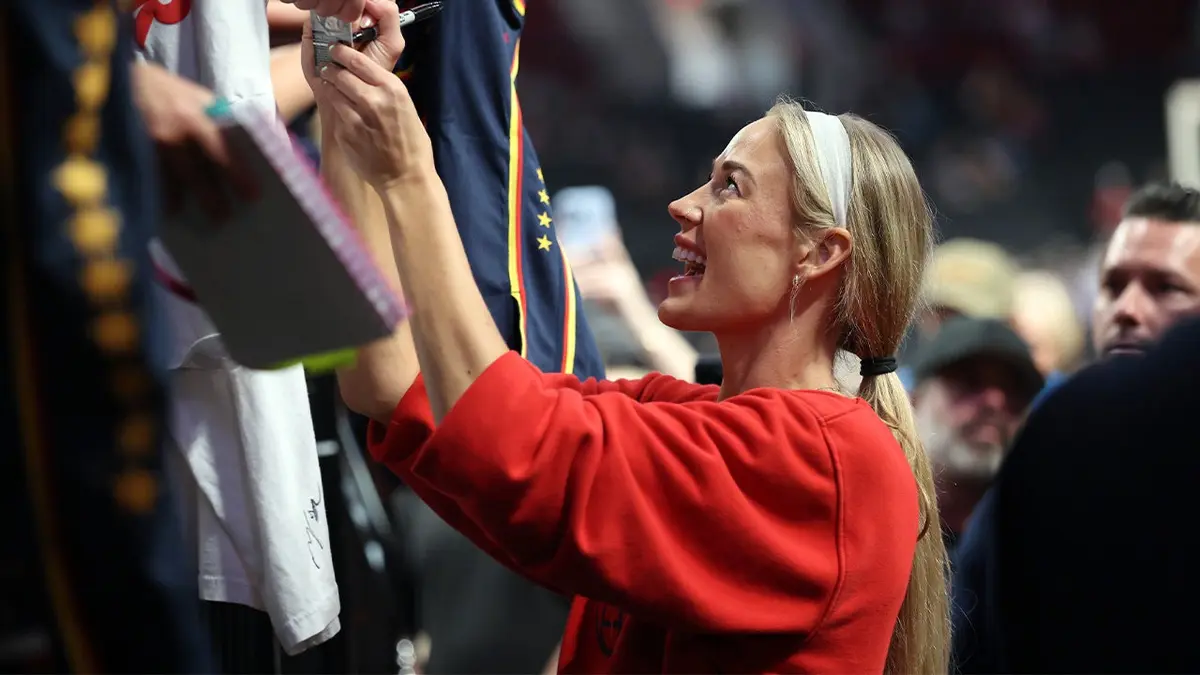
Garibay expressed support for Indiana Fever guard Sophie Cunningham after Cunningham publicly discussed transgender participation in women’s sports. She described Cunningham’s willingness to address the issue as an example of personal conviction despite the possibility of public criticism. Furthermore, Garibay encouraged individuals to speak openly when expressing sincerely held beliefs on issues affecting women’s athletics.
During the interview, Garibay also addressed comments surrounding another Indiana Fever player, Caitlin Clark. She said she would have preferred a more direct response when Clark previously received questions regarding the same topic. However, Garibay acknowledged that professional athletes often face significant public scrutiny when discussing politically or socially sensitive issues.
Garibay argued that public figures frequently balance personal opinions with professional responsibilities while responding to controversial topics. Therefore, she suggested that some athletes may choose more cautious approaches during media appearances. Nevertheless, she maintained that open discussion remains important as sports organizations continue evaluating participation policies.
The Women’s Sports Debate also includes differing perspectives regarding fairness, inclusion, competitive integrity, and athlete safety. Supporters of expanded participation emphasize opportunities for transgender athletes to compete consistently with their gender identity. Meanwhile, others argue that biological differences may affect fairness within certain women’s sporting competitions. Consequently, governing organizations continue reviewing scientific research, legal developments, and athlete feedback when establishing eligibility standards.
Garibay suggested that additional opportunities could exist for transgender individuals to participate in organized activities while preserving separate female athletic competitions. She emphasized that every participant deserves supportive communities and respectful treatment regardless of differing viewpoints. At the same time, she argued that policymakers should carefully consider concerns raised by female athletes and parents.
Throughout the interview, Garibay referenced the long history of women’s efforts to expand opportunities in education, employment, and athletics. She stated that many supporters of female-only competitions believe those achievements deserve continued protection through clearly defined participation standards. Accordingly, she encouraged ongoing conversations among sports organizations, families, athletes, and community leaders.
Women’s sports organizations across different levels continue reviewing eligibility policies as legal challenges and public debate evolve. Several governing bodies have modified regulations during recent years, while others continue studying medical research before implementing additional changes. Therefore, participation standards remain subject to continued evaluation as scientific findings, legal decisions, and organizational priorities develop.
The Women’s Sports Debate remains one of the most closely watched issues in modern athletics because it combines questions involving fairness, inclusion, safety, and competitive balance. As discussions continue, sports organizations, athletes, advocacy groups, and policymakers will likely remain engaged in shaping future eligibility rules for women’s competitions across multiple levels of competition.

