
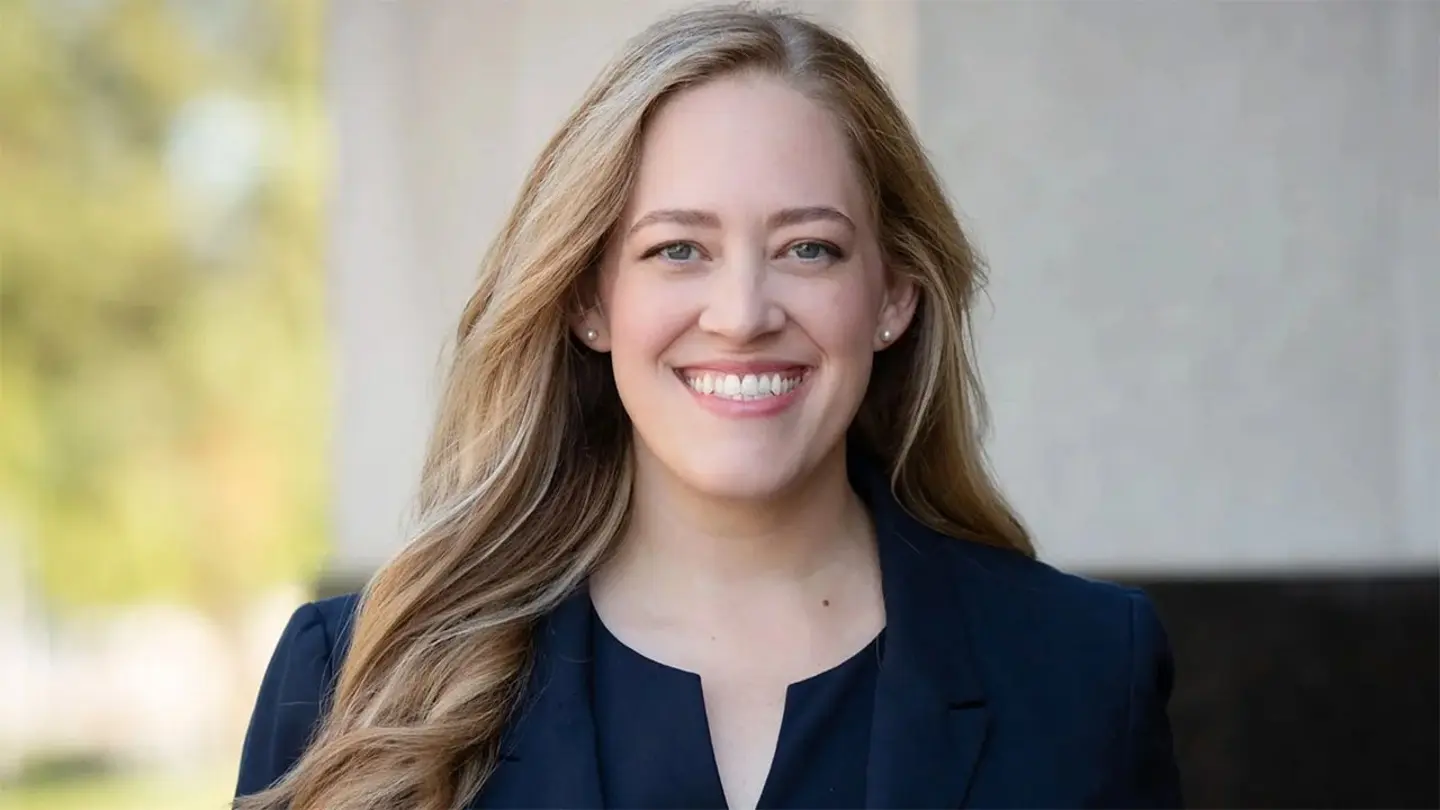
Michigan House race entered a decisive stage after prosecutor Christina Hines secured the Democratic nomination for the state’s 10th Congressional District. Now, Democrats hope her campaign can help capture a competitive seat while narrowing the Republican majority in the U.S. House of Representatives. Additionally, party leaders believe her prosecutorial background and affordability message could resonate with voters before the November election.
Hines advanced to the general election following Tuesday’s primary victory. Consequently, she will represent the Democratic Party in one of Michigan’s most closely watched congressional contests. Political observers continue monitoring the district because its competitive nature could influence the overall balance of power in the House.
Throughout her campaign, Hines highlighted her experience as a prosecutor handling cases involving sexual abuse, human trafficking, homicide, torture, and hate crimes. Furthermore, she described protecting victims and supporting families as central responsibilities throughout her legal career. She argued that those experiences prepared her to address public safety and community concerns in Congress.
Michigan House race has drawn additional attention because the district no longer features an incumbent seeking reelection. Republican Representative John James decided to leave the congressional seat and instead pursue Michigan’s governorship. Therefore, both major parties now view the open district as an important electoral opportunity ahead of November.
James previously secured two competitive victories in the district during the 2022 and 2024 election cycles. However, his decision to seek statewide office reshaped the political landscape and created a highly competitive congressional contest. Consequently, national political organizations from both parties are expected to invest significant resources during the general election campaign.
During her campaign, Hines focused heavily on affordability and economic issues affecting Michigan families. She argued that many households continue facing financial pressure because living costs remain elevated across several essential categories. Therefore, she pledged to support policies designed to ease financial burdens while strengthening economic opportunities.
Additionally, Hines proposed measures aimed at addressing what she described as unfair pricing practices affecting consumers. She also expressed support for increasing the federal minimum wage while encouraging greater investment in technical education and workforce development. According to her campaign, those initiatives would help strengthen long-term economic growth and employment opportunities.
Hines further stated that she would work to protect major federal programs, including Social Security, Medicare, and Medicaid, from future reductions. She argued that many families depend upon those programs for financial stability and healthcare access. Accordingly, she pledged to oppose proposals that would significantly reduce their funding.
Michigan House race also reflects broader national political competition as both parties seek every possible advantage before November’s elections. Democrats hope victories in competitive districts will strengthen their position in Congress. Meanwhile, Republicans aim to defend key districts despite several high-profile open-seat contests across the country.
Several Democratic leaders and local officials endorsed Hines during her campaign. Former congressional nominee Carl Marlinga publicly supported her candidacy after previously competing in the district himself. Additionally, Sterling Heights Mayor Michael Taylor also endorsed her campaign before the primary election concluded.
Supporters argue that Hines brings extensive courtroom experience and public service credentials to the campaign. They believe her legal background provides practical experience handling complex criminal cases involving vulnerable victims. Furthermore, they contend her focus on affordability directly addresses concerns raised by many voters throughout the district.
Republicans, however, will seek to retain control of the seat despite James pursuing another elected office. Their nominee will attempt to preserve the district’s recent Republican voting trend during the upcoming general election campaign. Consequently, both parties are expected to compete aggressively for independent and undecided voters.
Michigan House race now shifts toward the general election scheduled for November 3, where both candidates will present contrasting policy priorities. As campaigning continues, voters will evaluate economic proposals, public safety positions, and broader national issues before selecting the district’s next representative in Congress.

