
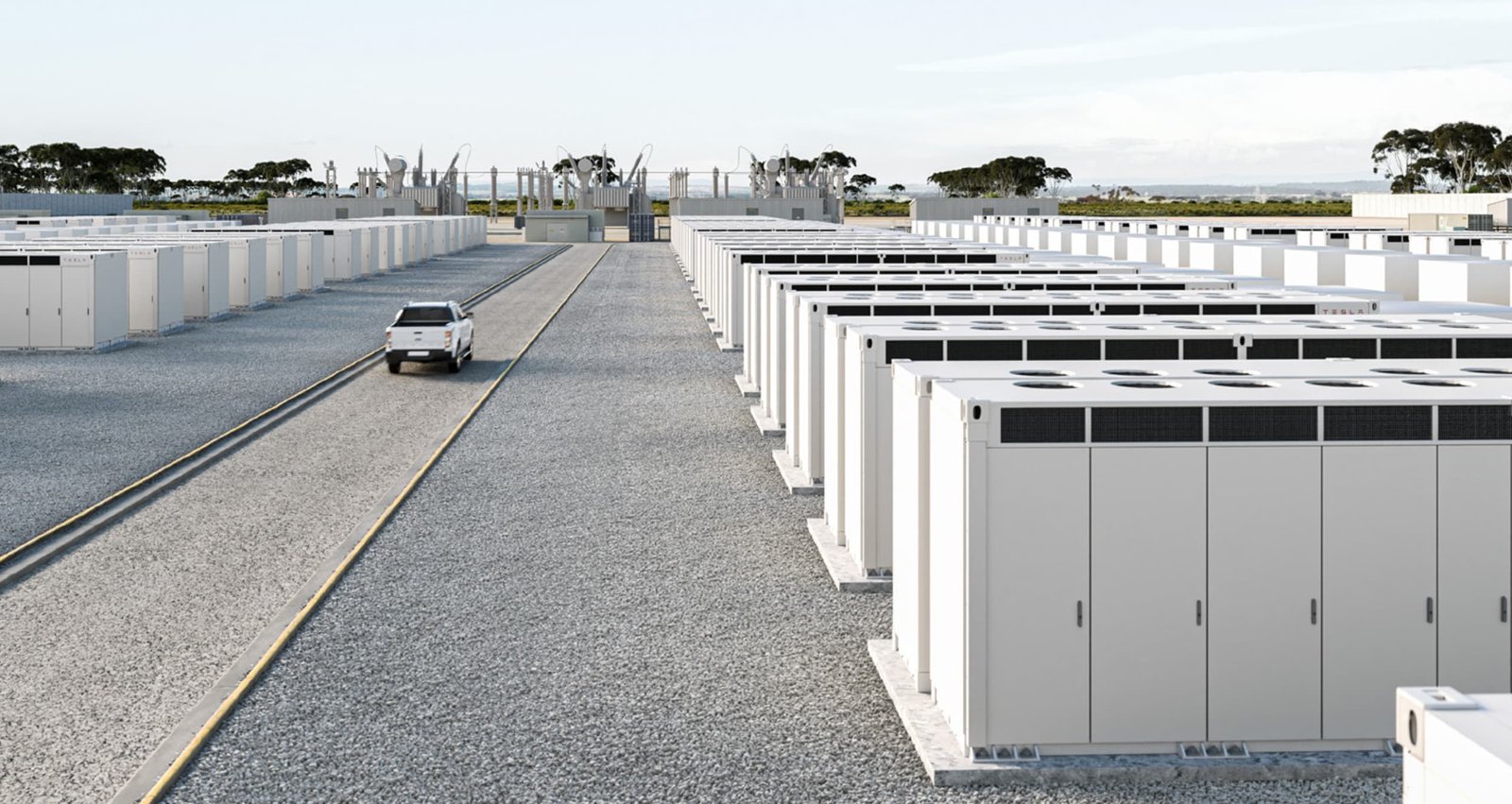
Tesla Megapacks played a central role in SpaceX’s latest financial update as the company increased investments in large-scale battery storage systems. The purchases support expanding artificial intelligence infrastructure while strengthening power reliability for growing data center operations. Executives also highlighted continued investments across related businesses within Elon Musk’s corporate network.
According to the latest earnings report, SpaceX spent approximately $295 million on Tesla Megapacks during the second quarter. As a result, total spending on the battery systems reached about $329 million during the first half of the year. The increase reflects continued demand for energy storage as computing requirements continue expanding.
The purchases also demonstrate the close relationship between several companies led by Elon Musk. SpaceX and Tesla continue supporting each other through major equipment purchases and technology deployment. Meanwhile, previous business combinations have further connected operations across Musk’s growing portfolio of companies.
Industry observers expect many of the newly acquired battery systems to support artificial intelligence data centers. Before joining SpaceX, the AI business had already invested heavily in similar battery storage equipment. Earlier purchases totaled hundreds of millions of dollars as computing infrastructure expanded to meet increasing processing demands.
Financial disclosures also showed that previous acquisitions included a substantial purchase of Tesla Cybertrucks. Those vehicles joined the company’s operational fleet through purchases completed at the manufacturer’s suggested retail price. Together, the battery systems and vehicles demonstrate continued investment in equipment supporting long-term business operations.
Although artificial intelligence facilities often rely on multiple energy sources, battery storage remains an essential component of modern computing infrastructure. Large battery systems provide immediate backup electricity whenever primary power becomes unavailable. Consequently, they improve operational reliability while reducing the risk of unexpected service interruptions.
Modern AI data centers consume electricity differently than many traditional industrial facilities. Power demand frequently rises and falls depending on the complexity of artificial intelligence workloads. Training advanced models and processing user requests require different computing resources throughout the day. Therefore, operators must manage changing electricity needs efficiently.
Tesla Megapacks help balance those fluctuating energy requirements by storing electricity during lower demand periods. They can quickly release stored energy whenever computing activity suddenly increases. This rapid response allows facilities to maintain stable operations without placing unnecessary pressure on local electrical infrastructure.
Battery storage also reduces costly demand spikes that often increase electricity expenses. Instead of drawing maximum power directly from utility providers, facilities can rely on stored energy during peak usage periods. Consequently, operators improve efficiency while lowering overall operating costs across large computing campuses.
Another advantage involves supporting high-performance graphics processors that power artificial intelligence applications. Those processors occasionally require sharp increases in electrical supply during demanding computational tasks. Battery systems respond almost instantly, ensuring stable performance throughout intensive processing activities.
Reliable energy management becomes increasingly important as artificial intelligence services continue expanding worldwide. Companies investing in advanced computing infrastructure must also strengthen supporting power systems. Therefore, large-scale battery installations have become a critical part of long-term data center planning.
The latest spending figures indicate that SpaceX continues investing heavily in infrastructure supporting future artificial intelligence growth. While battery purchases represent a significant financial commitment, management appears focused on building reliable computing capacity for expanding operations. These investments also complement broader technology initiatives across affiliated businesses.
Tesla Megapacks remain an important element of that strategy because they combine energy storage with operational flexibility. As artificial intelligence workloads continue increasing, dependable power management will likely remain a priority for large computing facilities. Battery technology provides an effective solution for maintaining stable performance while controlling long-term operating expenses.
The latest earnings disclosures highlight how energy infrastructure now plays an increasingly important role in advanced computing operations. Continued investment in battery storage demonstrates SpaceX’s commitment to supporting future artificial intelligence expansion through reliable and efficient power management systems.

