
Smithsonian criticism continues to grow after a historian questioned the institution’s evolving mission and approach to presenting American history. The debate has gained renewed attention as lawmakers, museum professionals, and public officials examine whether the institution balances historical scholarship with modern social issues.
Historian and museum professional Dr. Jody Edward Ginn recently revisited the National Museum of American History for the first time since 2012. He said the museum felt significantly different from his earlier experience. According to Ginn, the institution now places greater emphasis on advocacy than traditional historical education. Consequently, he argued that visitors encounter exhibits encouraging specific viewpoints instead of independent interpretation.
Ginn decided to visit the museum after reviewing recent government concerns regarding how American history appears throughout several Smithsonian exhibits. He said he wanted to evaluate the displays personally rather than rely on outside opinions. After completing his visit, he concluded that the museum had experienced a substantial philosophical shift. Furthermore, he argued that this transformation reflected broader trends affecting museums across the country.
According to Ginn, museums should primarily educate visitors through carefully researched historical evidence instead of encouraging political or social activism. He maintained that professional historians should present information objectively while allowing visitors to reach their own conclusions. However, he claimed several exhibits now guide audiences toward particular interpretations instead of encouraging open historical examination.
Ginn also expressed concern about what he described as missing historical context throughout several museum displays. He argued that omitted information could shape public understanding as much as the material included within exhibits. Therefore, he believes complete historical context remains essential for accurate public education. He also claimed some exhibit information contained factual inaccuracies requiring additional scholarly review.
Another issue raised during his visit involved exhibits containing sexually explicit themes displayed within family-oriented museum spaces. Ginn questioned whether such presentations appropriately fit exhibitions frequently visited by children and school groups. Additionally, he argued those displays differed noticeably from museum practices that existed during previous decades.
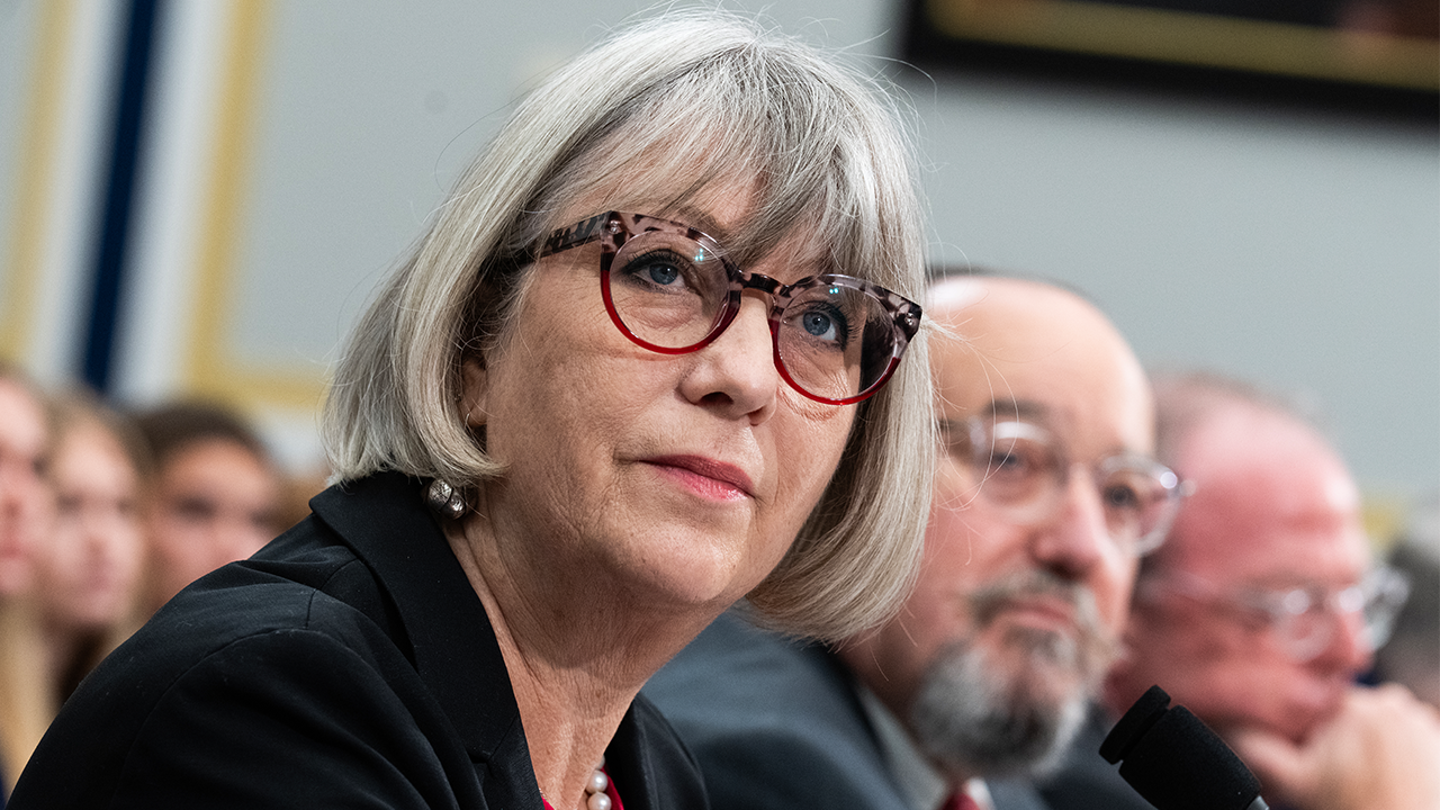
Recent congressional hearings examined similar concerns regarding the museum’s exhibits and institutional policies. During those hearings, lawmakers questioned National Museum of American History Director Anthea Hartig about exhibit content and educational priorities. Members also discussed museum resources that encouraged greater civic engagement within cultural institutions. Consequently, the hearings expanded the broader debate surrounding museums and public history.
Lawmakers specifically examined educational materials associated with professional museum organizations and questioned whether those resources promoted activism over historical neutrality. Ginn said those discussions reflected concerns he has observed developing within museums for many years. Therefore, he believes recent public attention highlights deeper changes affecting the museum profession nationwide.
Smithsonian criticism also focused on changes to the museum’s mission statement introduced during recent years. Ginn argued those revisions reflected a broader institutional shift regarding the museum’s overall purpose. He believes the revised language places less emphasis on presenting American history through traditional scholarly methods. Instead, he contends the institution increasingly prioritizes contemporary social discussions within historical exhibitions.
Despite his concerns, Ginn acknowledged that meaningful institutional changes would require significant organizational commitment and leadership decisions. He argued future improvements would depend upon renewed emphasis on historical scholarship, balanced research, and educational objectivity. Meanwhile, museum leaders continue facing public scrutiny as discussions surrounding exhibit content, historical interpretation, and institutional priorities remain active across political and cultural circles.