
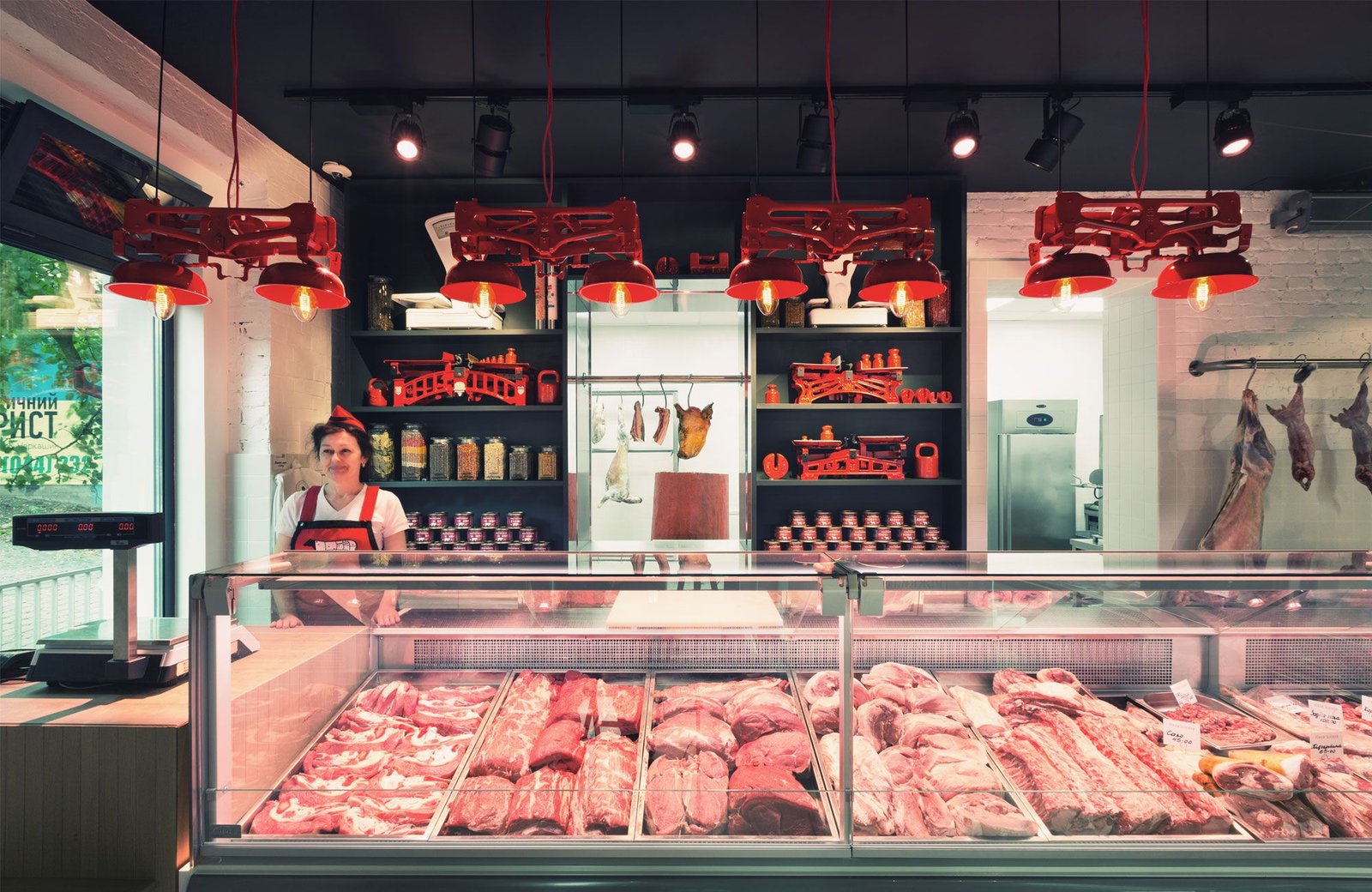
Beef Prices continue climbing across the United States as consumers face higher grocery costs during the busy summer grilling season. Rising production expenses, shrinking cattle supplies, and strong seasonal demand continue placing upward pressure on meat prices nationwide.
Recent government data shows beef and veal prices increased 1.4 percent between May and June this year. Compared with June last year, prices have climbed 11.8 percent, reflecting continued pressure throughout the livestock industry.
Industry experts say several economic factors continue driving higher retail beef prices across the country. Seasonal demand remains one of the largest influences because more families purchase steaks, burgers, and other grilling products during warmer months.
As outdoor cooking becomes more popular during summer, retailers often experience increased customer demand for premium beef cuts. Consequently, stronger buying activity contributes to higher prices for many popular products sold in grocery stores and butcher shops.
Fuel expenses also remain a major cost throughout the cattle production process. Ranchers rely heavily on diesel fuel for transportation, farming equipment, and daily operations. Therefore, rising fuel costs increase overall production expenses before beef reaches consumers.
Feed costs have also remained elevated during recent months, adding further pressure across the livestock industry. Farmers must spend more money feeding cattle, and those higher expenses eventually influence wholesale and retail meat prices.
Another important factor involves the size of the national cattle herd. Industry specialists explain that cattle numbers remain lower than normal, reducing available beef supplies across important producing regions.
When cattle inventories decline, processors and buyers compete more aggressively for available livestock. That increased competition often pushes prices higher throughout the supply chain before products reach grocery store shelves.
Rebuilding cattle herds also requires significant time because livestock production follows long biological cycles. Ranchers typically need more than two years before young cattle reach market-ready size, limiting opportunities for rapid supply increases.
Weather conditions also influence beef production throughout the year. Extended periods of extreme heat reduce pasture quality and limit the availability of nutritious feed for cattle in several farming regions.
When feed quality declines, cattle often gain weight more slowly than expected. As a result, producers may have fewer premium-grade animals available for processors and retailers.
Reduced supplies of high-quality beef can further increase prices for premium cuts purchased by restaurants and households. Consequently, consumers seeking top-grade products may experience even larger price increases than average grocery shoppers.
Many households have already adjusted their food budgets because meat costs continue rising steadily. Some consumers now purchase smaller quantities of beef, while others choose lower-cost protein options to reduce grocery expenses.
Chicken and pork remain popular alternatives because they generally cost less than many beef products. Therefore, changing shopping habits may continue influencing meat sales if beef prices remain elevated throughout the year.
Retailers also monitor consumer demand carefully while adjusting inventory based on changing purchasing patterns. Businesses must balance higher wholesale costs with competitive pricing to maintain customer traffic and overall sales performance.
Industry analysts expect beef prices to remain elevated during the remainder of the year despite changing market conditions. Limited cattle supplies, production costs, and seasonal demand continue supporting higher prices across many retail markets.
Consumers may experience gradual price changes if cattle numbers recover and production expenses stabilize over time. However, rebuilding livestock supplies requires patience because biological production cycles cannot accelerate quickly.
The outlook suggests households should continue planning grocery budgets carefully while monitoring changing meat prices in coming months. As supply conditions gradually improve, Beef Prices could stabilize, although meaningful declines may require additional time across the livestock industry. Until then, Beef Prices will likely remain an important concern for consumers, retailers, and cattle producers alike.

