
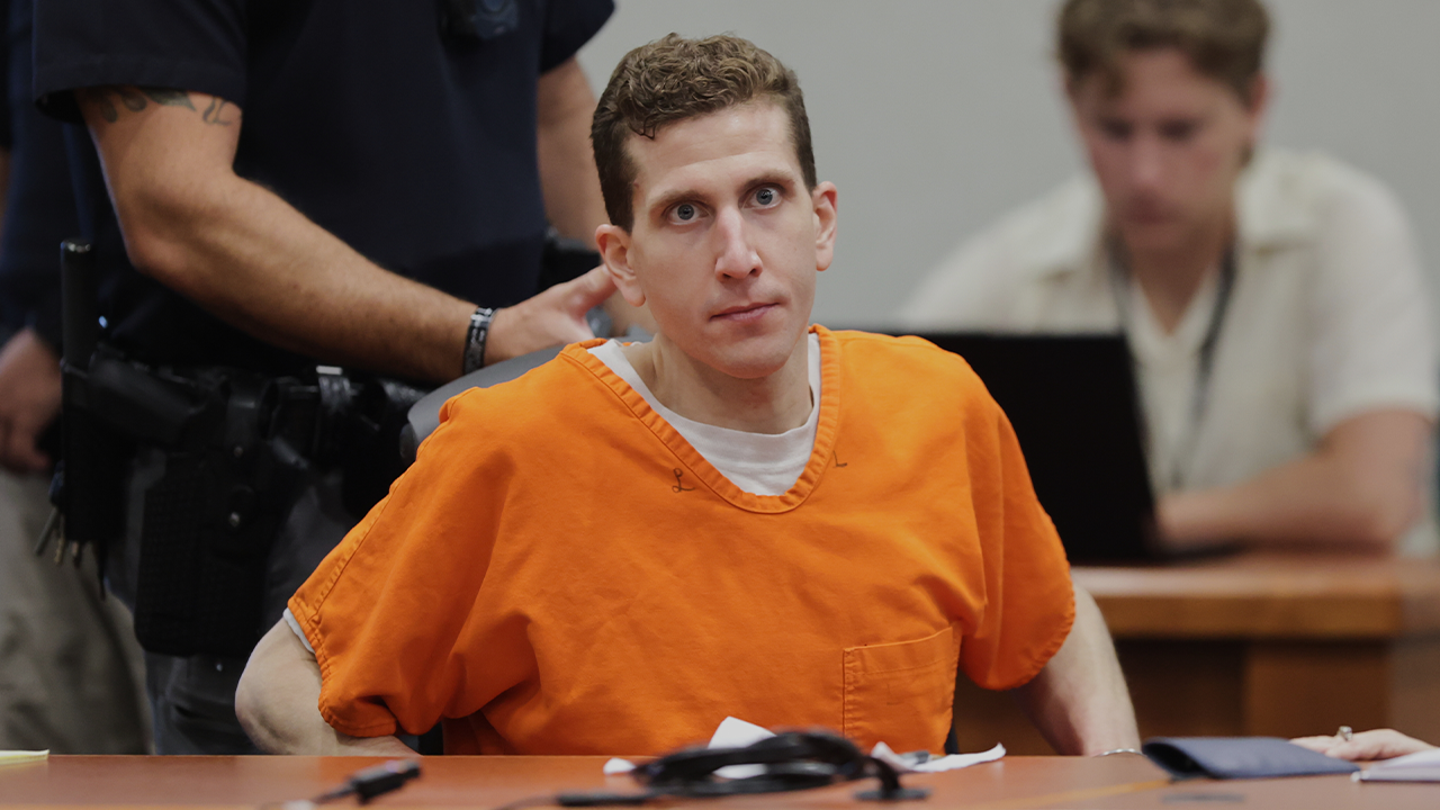
Guilty Plea remains at the center of Bryan Kohberger’s latest legal effort after he asked an Idaho court to withdraw his conviction agreement. However, experienced defense attorneys say defendants rarely succeed after sentencing because courts apply strict legal standards. Consequently, the request immediately drew attention from legal observers familiar with complex criminal appeals. Additionally, experts noted that post-conviction challenges require substantial evidence supporting claims that constitutional rights suffered meaningful violations. Therefore, the coming legal proceedings could determine whether Kohberger receives another opportunity to challenge his convictions.
Bryan Kohberger pleaded guilty in July 2025 to the murders of four University of Idaho students. The agreement allowed him to avoid a possible death sentence while receiving four consecutive life sentences instead. However, he now argues that circumstances surrounding his decision undermined the validity of that agreement. Furthermore, recent court filings claim he experienced pressure, misinformation, and inadequate legal guidance before entering his plea. Consequently, his attorneys seek permission to reopen the criminal proceedings through post-conviction legal review.
Veteran defense attorney Mark Petrovich believes Kohberger faces extraordinary legal challenges despite presenting multiple constitutional arguments before the court. Petrovich previously represented D.C. sniper Lee Boyd Malvo during post-conviction proceedings involving separate constitutional sentencing issues. However, he emphasized that Kohberger’s situation differs because he voluntarily accepted a plea agreement after reaching adulthood. Additionally, Petrovich explained that courts usually require compelling evidence before permitting defendants to withdraw guilty pleas after sentencing. Therefore, he described the legal burden confronting Kohberger as exceptionally difficult under established judicial standards.
According to court filings, Kohberger argues he lacked complete knowledge regarding potentially favorable evidence before pleading guilty. Additionally, he claims he misunderstood certain consequences connected with incarceration after accepting the negotiated agreement. He also alleges pressure influenced his decision while limiting his ability to evaluate available legal alternatives carefully. Consequently, his legal team argues those circumstances affected whether his decision reflected a fully informed choice. Nevertheless, prosecutors will likely challenge each allegation during future hearings before the reviewing court.
Petrovich explained that judges generally distinguish between requests submitted before sentencing and challenges filed after punishment becomes final. Before sentencing, courts occasionally permit plea withdrawals when defendants demonstrate legitimate legal reasons supporting reconsideration requests. However, judges apply significantly stricter standards after sentencing because convictions already carry final legal consequences. Furthermore, courts generally discourage defendants from reversing guilty pleas after learning their complete punishment outcomes. Therefore, post-sentencing petitions usually require exceptionally persuasive legal evidence before judges grant additional proceedings.
Even if a judge permits Kohberger to withdraw the agreement, additional challenges could emerge during future courtroom proceedings. Petrovich noted that jurors could still learn Kohberger previously admitted guilt while testifying under oath. Consequently, defense attorneys would need convincing explanations addressing those earlier sworn admissions before presenting alternative arguments. Additionally, prosecutors could use previous courtroom statements while challenging credibility during any future criminal trial proceedings. Therefore, legal experts believe this factor alone creates another substantial obstacle beyond reopening the original case.
Petrovich also questioned whether experienced capital defense attorneys would recommend accepting a plea without reviewing extensive evidence first. Serious murder prosecutions typically involve years of discovery before attorneys advise clients regarding negotiated plea agreements. Therefore, he believes defense counsel likely examined investigative materials thoroughly before discussing available legal options with Kohberger. Additionally, experienced attorneys usually evaluate prosecution evidence carefully before recommending strategies involving life imprisonment instead of capital punishment. Consequently, Petrovich suggested those earlier legal decisions probably reflected careful professional judgment rather than incomplete preparation.
Legal history also shows that several high-profile defendants unsuccessfully attempted withdrawing guilty pleas after entering negotiated agreements. James Earl Ray sought to reverse his plea shortly after admitting responsibility for assassinating Martin Luther King Jr. However, courts never granted him the jury trial he later requested despite decades pursuing additional legal challenges. Likewise, other convicted murderers also attempted overturning plea agreements but ultimately failed through post-conviction judicial review. Therefore, those cases illustrate how difficult similar legal efforts become after sentencing reaches final judgment.
The Guilty Plea remains the defining issue as Kohberger continues seeking judicial permission to reopen his criminal case. Meanwhile, the court must evaluate constitutional claims alongside established legal standards governing post-conviction relief requests. Additionally, prosecutors will likely argue the negotiated agreement resulted from informed legal advice and extensive case preparation. Until judges issue formal rulings, Kohberger will continue serving multiple life sentences imposed under the original agreement. Ultimately, the Guilty Plea challenge will proceed through established appellate procedures before any court determines whether further proceedings become justified.

