
No Cash Prizes legislation gained attention after Sen. Josh Hawley introduced a proposal targeting federal employee award payments. The measure would prohibit federal employees from accepting or seeking cash awards while serving in government. It follows allegations that former NIH Director Anthony Fauci benefited from award payments during the COVID-19 pandemic. The proposal also seeks to strengthen existing ethics rules governing federal workers.
Sen. Josh Hawley introduced legislation that would prohibit federal employees from accepting or soliciting cash awards during government service. He announced the proposal one day after a Senate hearing focused on allegations involving former NIH Director Anthony Fauci. Hawley argued current ethics rules contain loopholes that allow federal officials to pursue significant financial awards while employed.
The proposed legislation carries the title No Cash Prizes for Bureaucrats Act. It aims to strengthen existing federal ethics requirements for government employees. According to Hawley, public officials should never receive personal cash prizes while performing taxpayer-funded responsibilities. Consequently, the bill would expand current restrictions and close existing legal loopholes.
During the Senate hearing, Hawley accused Fauci of receiving more than one million dollars through several award programs. He claimed Fauci received those awards while directing the nation’s infectious disease institute. Furthermore, Hawley said public records show government staff helped prepare award nominations during the COVID-19 pandemic. Hawley argued those actions redirected official resources toward personal recognition instead of government duties.
According to Hawley, one award reportedly carried a payment of approximately $900,000. He also alleged Fauci received assistance from federal employees while pursuing several additional honors. Hawley maintained government workers should never use official time or subordinate staff to support personal award applications.
The legislation would prohibit federal employees from accepting rewards connected to medical research while holding government positions. Additionally, it would prohibit employees from requesting those awards directly or indirectly. The proposal would also strengthen regulations preventing NIH officials from using official work hours for award nominations. It would also prevent employees from directing subordinate staff to assist those efforts.
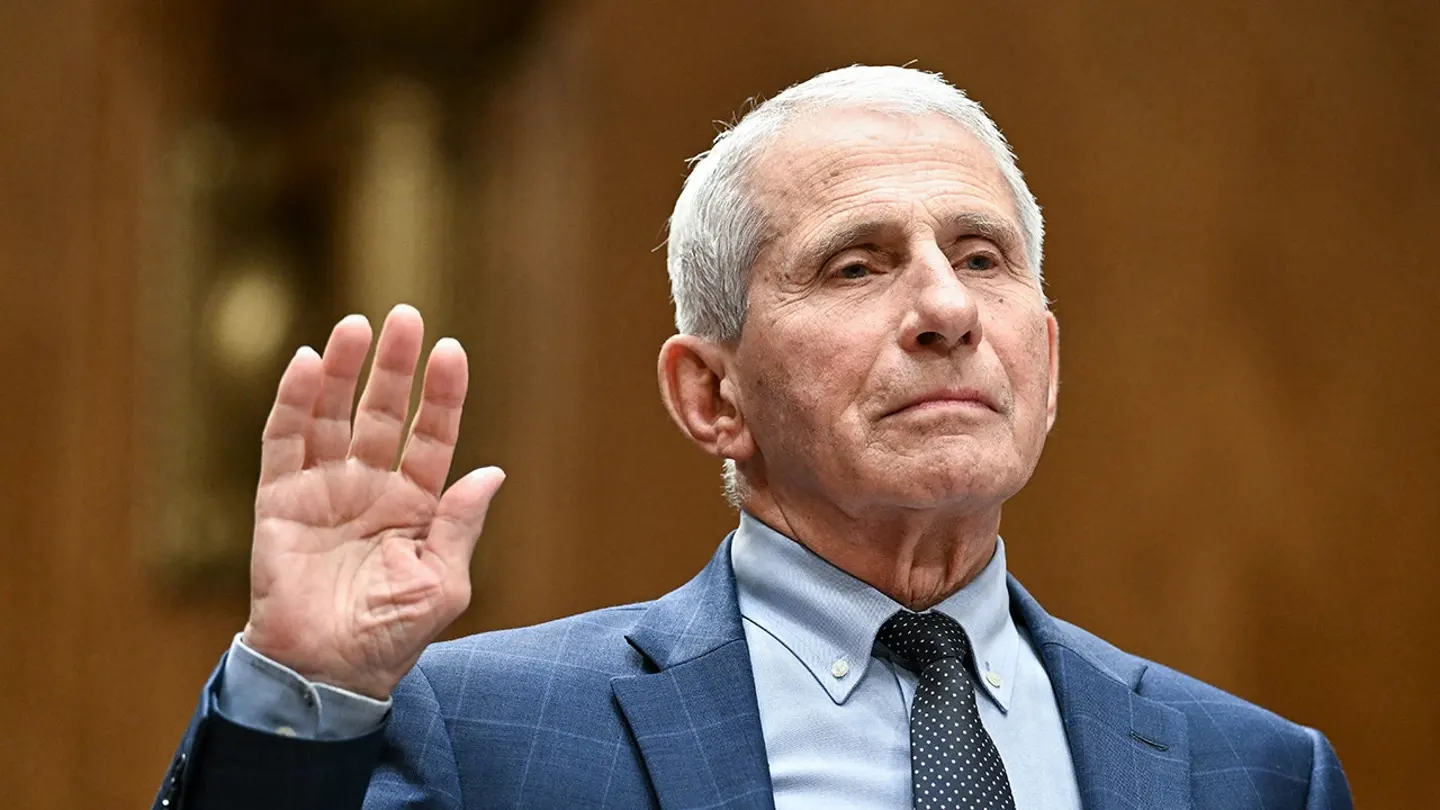
During the hearing, Fauci declined to answer numerous questions after invoking his Fifth Amendment rights. He repeatedly stated he declined to answer based on advice from legal counsel. As a result, committee members received no direct responses regarding the allegations presented during the hearing.
Hawley referenced internal communications discussing preparations for several award nominations. He specifically cited correspondence involving a nomination for the Dan David Prize. According to Hawley, staff members received requests to strengthen sections describing Fauci’s pandemic leadership. Hawley argued those communications showed government employees actively supported efforts to secure valuable financial awards.
Moreover, Hawley claimed additional nominations involved the Partnership for Public Service, the Adelson Prize, the Smithsonian Institution, the National Academy of Medicine, and the CDC Foundation. He argued those examples reflected a broader pattern of using official resources to pursue personal financial recognition during public service.
Supporters of the legislation believe stronger ethics standards could improve public confidence in federal agencies. They also argue the proposal would reduce opportunities for conflicts involving government employees. Meanwhile, lawmakers will debate the bill’s language, scope, and potential effects before deciding its future in Congress.
Throughout the debate, No Cash Prizes remains the central focus of Hawley’s proposal. Supporters argue No Cash Prizes rules would strengthen accountability across federal agencies. As Congress considers the measure, lawmakers will determine whether No Cash Prizes legislation becomes part of future federal ethics standards.

