
Air Force One remained at the center of a Senate dispute after Republicans rejected a Democratic funding proposal. The legislation sought to stop taxpayer money from supporting upgrades to the Boeing 747-8 donated by Qatar. Meanwhile, lawmakers continued debating project costs, security concerns, and broader defense priorities. The failed measure highlighted sharp disagreements over government spending and presidential transportation.
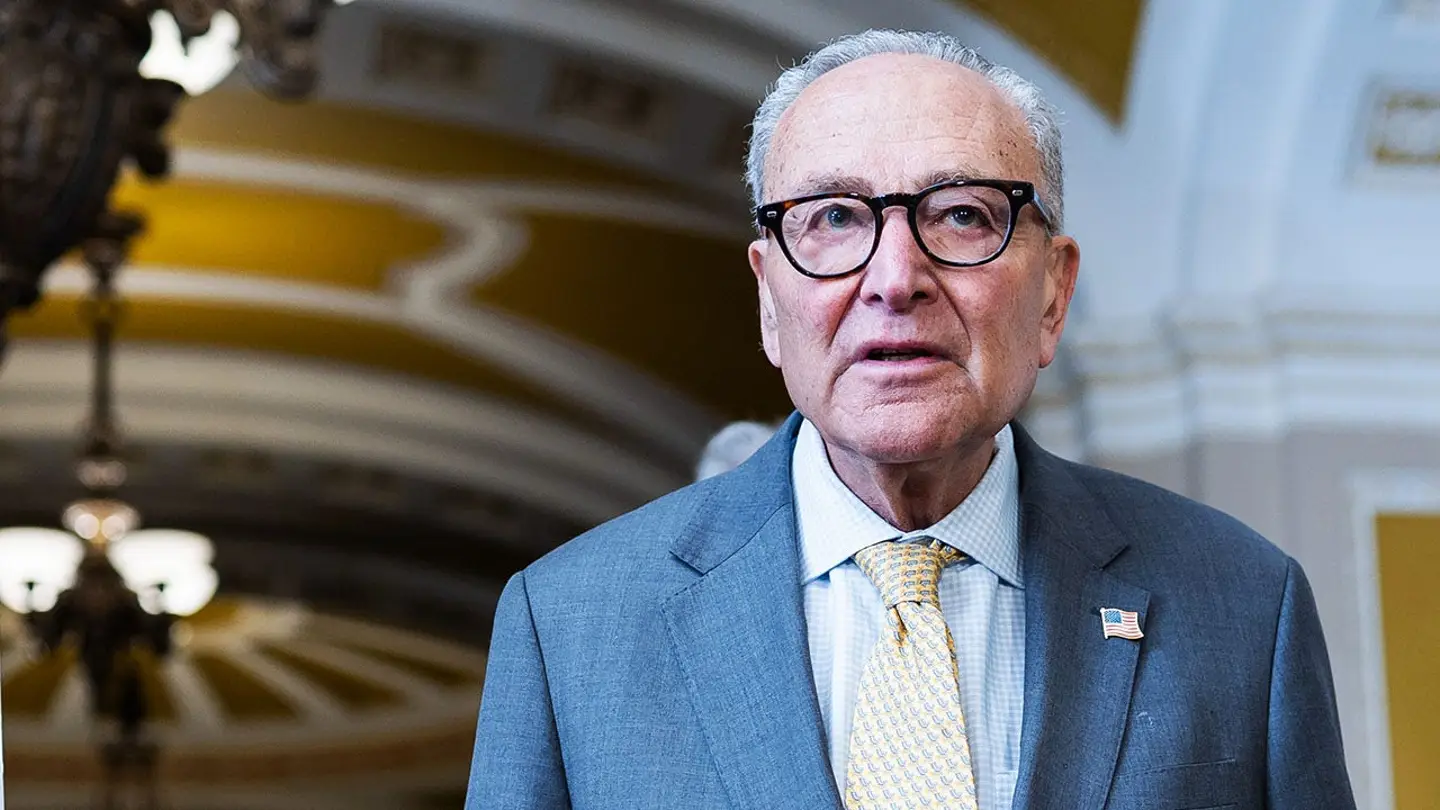
Senate Minority Leader Chuck Schumer introduced legislation targeting aircraft previously owned by foreign governments. Specifically, the proposal would prohibit the Department of War from funding their purchase, maintenance, or modification. Schumer argued taxpayers should not finance expensive upgrades for the presidential aircraft. Furthermore, he questioned whether the project justified such significant federal spending.
Administration officials estimated the retrofit could cost as much as $1 billion. Additionally, the Boeing 747-8 itself carries an estimated value of roughly $400 million. Engineers must install secure communications systems, defensive technology, and classified presidential equipment before regular service begins. Therefore, officials said the extensive work explains the project’s substantial estimated cost.
President Donald Trump recently acknowledged that additional improvements remain necessary before full deployment. Consequently, officials confirmed the aircraft would undergo another round of security enhancements this fall. Until technicians complete those upgrades, the president will continue using the existing Air Force One fleet. Officials expect the modification process to keep the aircraft grounded for approximately one month.
White House representatives stated the aircraft remains safe for presidential travel under current operating conditions. However, engineers still plan to install additional defensive systems and protective technologies. Those improvements aim to strengthen the aircraft against evolving security threats. Officials described the remaining work as part of standard modernization efforts.
Republicans blocked Schumer’s proposal during Senate proceedings shortly after he introduced the legislation. Senator Deb Fischer argued the bill extended far beyond the Qatari aircraft. Instead, she warned it could affect other critical military aviation programs. Therefore, she opposed the measure despite ongoing concerns surrounding presidential aircraft spending.
Fischer explained the proposal could also restrict work involving the Survivable Air Operations Center aircraft. Those specialized planes support national leadership during emergencies and nuclear command operations. She noted those aircraft originally came from a foreign manufacturer before government acquisition. Consequently, the legislation could unintentionally delay essential modernization efforts.
Supporters of the proposal maintained their legislation focused on protecting taxpayers from unnecessary expenses. They argued the government already operates aircraft capable of transporting the president safely. Additionally, they questioned whether another costly retrofit represented responsible fiscal management. Nevertheless, Republicans disagreed with that assessment during the Senate debate.
Administration officials maintained modernization remains necessary before the aircraft enters expanded presidential service. They emphasized that every presidential aircraft requires advanced communications, security systems, and defensive equipment. Moreover, engineers must complete extensive testing before final operational approval. Officials said those requirements account for much of the projected cost.
The Senate vote allows planned upgrade work to continue under existing funding authority. However, lawmakers will likely revisit the issue during future budget negotiations. Air Force One will therefore remain a prominent topic as Congress debates spending priorities, security requirements, and long-term presidential aviation plans.

