
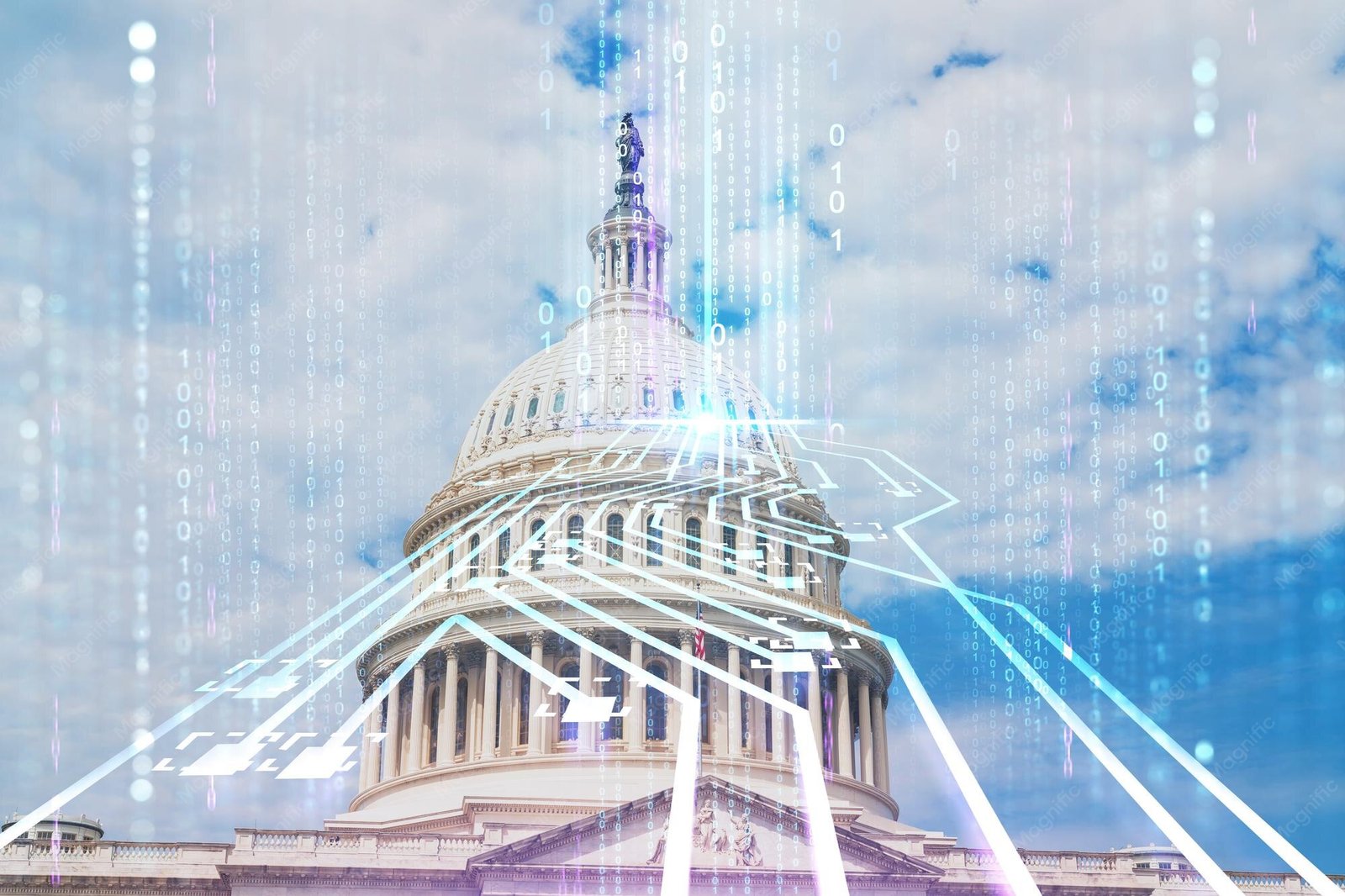
AI Election Spending has become a major force during the 2026 midterm election cycle as technology companies invest heavily in congressional races. These investments reflect growing efforts to influence future artificial intelligence legislation while supporting candidates who favor balanced regulatory policies.
Artificial intelligence companies and industry-backed political action committees have already committed significant funding to congressional campaigns across the United States. Their investments demonstrate how rapidly the technology sector has expanded its political influence while lawmakers continue debating national AI rules.
Federal campaign records show that the two largest AI-focused political action committees spent at least $44 million supporting candidates through the end of June. Together, both organizations have raised more than $200 million, allowing them to remain active throughout the remaining primary contests and the general election.
Industry leaders believe Congress will eventually approve national artificial intelligence legislation because lawmakers increasingly recognize both the opportunities and challenges created by advanced AI systems. Consequently, companies hope their political investments will help shape future regulatory discussions.
Several policy experts note that artificial intelligence continues advancing quickly across numerous industries. Therefore, many lawmakers from both major political parties agree that some level of government oversight deserves careful consideration.
Supporters of measured regulation argue that AI technology delivers major economic and social benefits while also creating potential risks. For that reason, they believe lawmakers should establish clear legal standards before advanced systems become even more widespread.
Leaders representing AI-focused organizations have emphasized the importance of creating practical regulations without slowing technological progress. They argue that balanced policies can encourage innovation while protecting consumers and businesses.
The majority of candidates supported by these organizations have performed successfully during primary elections. Most endorsed candidates secured victories, strengthening expectations that many will serve in Congress after the general election concludes.
One political action committee has supported dozens of congressional candidates, with only a small number failing to advance beyond their primary races. Another organization has reported similar success while planning to expand its political activity before Election Day.
Observers point out that this political strategy follows a familiar pattern established by other technology industries. Previous election cycles demonstrated how substantial campaign investments could increase industry influence over future legislation affecting rapidly growing sectors.
Several well-known investors, technology entrepreneurs, and artificial intelligence executives have contributed financial support to these political organizations. Their donations reflect increasing interest in helping shape long-term national AI policy.
Although both organizations support government oversight, they disagree on certain regulatory approaches. Specifically, they differ over whether federal rules should replace state-level artificial intelligence laws across the country.
One organization favors a consistent national framework that creates uniform standards for AI developers and technology companies. However, its representatives also acknowledge that individual states may continue playing important roles during policy development.
The second organization generally supports allowing states greater flexibility when creating artificial intelligence regulations. Nevertheless, its leadership has stated that comprehensive federal legislation could eventually provide a practical nationwide solution.
Meanwhile, lawmakers continue debating whether federal standards should override existing state laws governing artificial intelligence. Some congressional leaders argue national consistency encourages innovation, while others believe states should retain significant regulatory authority.
As AI Election Spending continues throughout the election season, technology companies will likely remain active participants in congressional campaigns. Their financial support reflects growing recognition that upcoming legislative decisions could shape artificial intelligence development, regulation, and investment across the United States for many years.

