
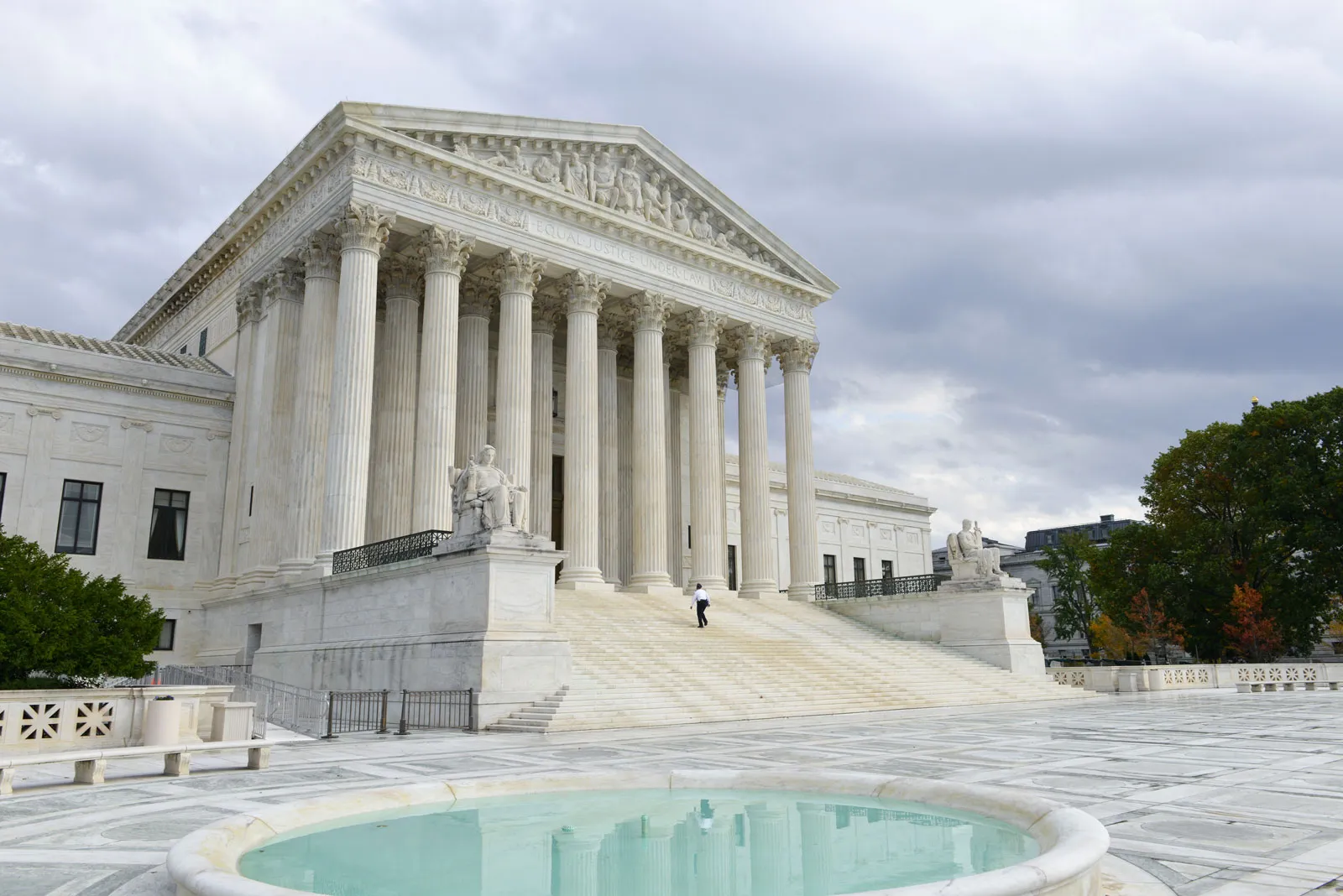
Supreme Court Term concluded with the nation’s highest court issuing 67 majority opinions during its latest session. The rulings addressed constitutional questions, election law, campaign finance, immigration, and several other significant legal issues. The term also renewed attention to the court’s role in resolving major national disputes while serving as the country’s highest judicial authority.
Constitutional law remains one of the broadest areas of legal study because Supreme Court decisions shape government powers and individual rights across the United States. Although relatively few attorneys argue constitutional cases, the court’s rulings influence public policy and legal interpretation nationwide.
The court traditionally releases many of its most significant opinions during late June and early July. Those rulings often shape public debate because they address constitutional principles, federal authority, and individual rights.
Statistical analysis shows the court produced more ideologically divided rulings than during the previous session. About 28.8% of the decisions resulted in 6-3 votes. Approximately 22.7% reflected ideological divisions among the justices. During the previous term, those figures measured 15.2% and 9%, respectively.
Even with that increase, most decisions did not divide strictly along ideological lines. Several justices joined colleagues with different judicial philosophies in numerous cases.
Chief Justice John Roberts and Justice Brett Kavanaugh appeared in the majority in approximately 95% of the court’s decisions. Justice Amy Coney Barrett followed closely by joining the majority in roughly 92% of the cases.
Justice Ketanji Brown Jackson appeared in the majority about 67% of all decisions. In non-unanimous cases, she joined the majority approximately 41% of the time. Those figures show that voting patterns varied depending on the legal issues before the court.
Observers often distinguish between justices who emphasize constitutional originalism and those who favor broader constitutional interpretations. Even so, this term’s voting record suggests the court did not divide exclusively along those philosophies.
The Supreme Court issued 67 majority opinions during the term. It also resolved hundreds of additional procedural matters between October and the close of the judicial year. Many of those actions attracted less public attention despite their importance to the federal court system.
Several decisions generated national discussion, including rulings involving birthright citizenship, campaign finance, and other constitutional issues. One notable ruling held that limits on coordinated political party spending with candidates violated the Constitution.
The court also addressed litigation involving birthright citizenship. Although the case attracted significant attention, it represented only one of many constitutional disputes resolved during the session.
Legal scholars often note that the Supreme Court moves gradually when interpreting constitutional questions. Major constitutional changes typically develop over time rather than through sudden shifts in judicial doctrine.
Past landmark rulings involving abortion rights, healthcare policy, and presidential elections created deeper national divisions than many decisions issued this term. Those cases continue serving as important reference points when evaluating the court’s historical impact.
The judiciary remains the final authority for resolving constitutional disputes presented through the legal system. Supreme Court decisions establish binding legal interpretations unless future rulings or constitutional amendments change that precedent.
The Supreme Court Term officially ended with the completion of the court’s annual schedule. The justices will begin their next session later this year. Emergency matters may still reach the court before the formal opening of the new term.
As legal observers review the year’s decisions, the Supreme Court Term reflects the judiciary’s continuing responsibility to interpret constitutional questions. It also demonstrates the court’s central role in resolving disputes that shape American law and public policy.