
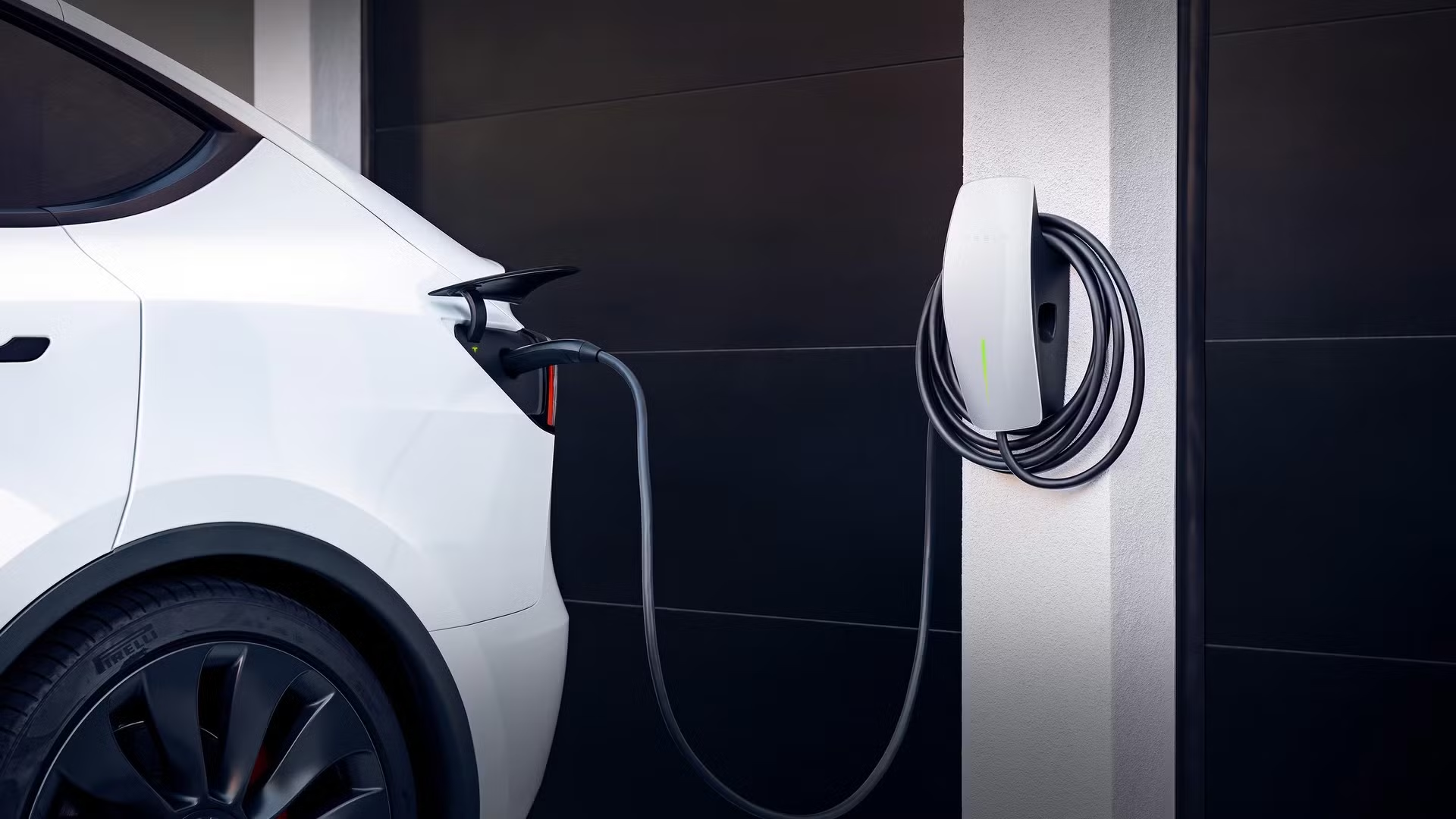
EV Batteries are proving far more durable than many experts and consumers originally expected as real-world performance continues improving. New data indicates modern battery technology retains driving range longer while requiring fewer replacements than earlier electric vehicle generations. These findings could strengthen consumer confidence as electric vehicle adoption continues expanding worldwide.
Battery longevity has remained one of the most common concerns among potential electric vehicle buyers for several years. Many consumers worried expensive battery packs would require replacement before the rest of the vehicle reached the end of its lifespan. However, recent performance data now paints a more encouraging picture for long-term electric vehicle ownership.
Real-world experience from high-mileage electric vehicles demonstrates that battery degradation occurs much more slowly than previously anticipated. Some owners have accumulated hundreds of thousands of miles while maintaining strong driving performance and dependable battery capacity. These results suggest modern battery engineering has significantly improved long-term durability.
Advances in battery chemistry have played a major role in extending the lifespan of electric vehicle batteries. Manufacturers have also introduced improved thermal management systems that maintain stable operating temperatures during charging and driving. Additionally, advanced battery management software continuously monitors battery health and helps reduce unnecessary long-term wear.
Industry research indicates many electric vehicles still retain approximately 95 percent of their original driving range after five years. This level of performance exceeds many early expectations regarding battery degradation over extended ownership periods. As a result, long-term ownership costs may become more predictable for electric vehicle buyers.
EV Batteries have also become less likely to require complete replacement than earlier electric vehicle generations. Early models introduced more than a decade ago experienced higher battery replacement rates because manufacturers used less advanced battery technology. Today’s vehicles benefit from improved cooling systems and more durable battery designs.
Battery charging habits continue influencing long-term battery health despite substantial technological improvements across the electric vehicle industry. Frequent use of high-power fast charging can gradually accelerate battery degradation compared with slower charging methods. Drivers can preserve battery capacity by combining different charging methods whenever practical.
Regularly charging batteries to full capacity or allowing complete discharge for extended periods may also reduce battery lifespan. Furthermore, prolonged exposure to extreme temperatures can place additional stress on battery cells throughout normal vehicle operation. Manufacturers therefore recommend charging practices that balance convenience with long-term battery protection.
Although battery replacement costs remain significant, manufacturers continue developing more affordable repair solutions for electric vehicle owners. Many companies now design battery packs using modular components that technicians can repair individually when necessary. This approach reduces maintenance expenses by avoiding complete battery replacement whenever possible.
Consumer perceptions have not yet fully reflected improvements in battery durability despite encouraging long-term performance data. Battery replacement costs remain one of the leading concerns influencing electric vehicle purchasing decisions among prospective buyers. Greater awareness of current battery performance could gradually reduce hesitation surrounding electric vehicle ownership.
The electric vehicle market has experienced slower sales growth during recent months in some regions following changes to purchase incentives. Nevertheless, analysts continue expecting electric vehicle adoption to increase steadily over the coming years as technology advances. Improved reliability should remain an important factor supporting broader consumer acceptance.
EV Batteries continue demonstrating stronger durability than many early forecasts suggested while supporting long-term electric vehicle ownership. Ongoing improvements in battery technology, charging management, and repair methods are reducing maintenance concerns for consumers. These developments could encourage greater confidence as electric vehicles become an increasingly important part of the global automotive market.

