
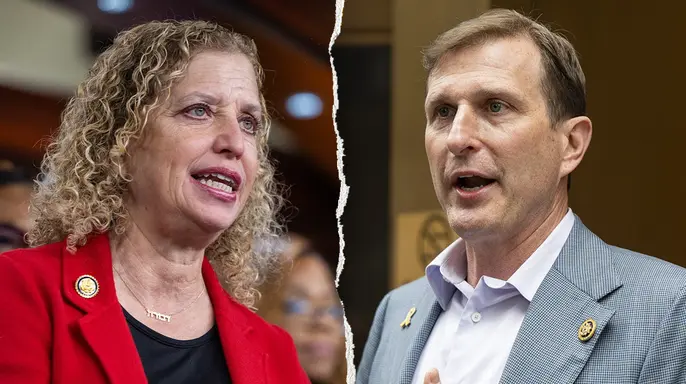
Democratic Primaries are shaping several congressional contests as voters evaluate experience alongside demands for political change. As the midterm election season progresses, multiple long-serving Democratic lawmakers face strong challenges from candidates promoting anti-establishment platforms. Although incumbents typically hold structural advantages, recent contests indicate that many voters are open to new leadership and alternative policy approaches.
Across several states, challengers have centered their campaigns on generational transition and dissatisfaction with established political leadership. Consequently, a number of competitive primaries have attracted national attention from party officials, donors, and political organizations. While policy differences vary by district, many campaigns share a broader theme of challenging entrenched political influence.
In New York, Representative Dan Goldman faces a competitive reelection race against a progressive challenger supported by several prominent left-leaning figures. Furthermore, the contest highlights internal differences over foreign policy, party direction, and future legislative priorities. Polling data suggests increased support for the challenger, despite Goldman’s financial resources and backing from party leadership.
Meanwhile, another New York race features Representative Adriano Espaillat, who faces a younger challenger with strong activist support. The contest has drawn additional attention following endorsements from influential progressive figures. As a result, analysts view the race as an indicator of grassroots engagement within Democratic politics. Both candidates continue presenting contrasting visions for district representation.
In Florida, Representative Debbie Wasserman Schultz competes against multiple challengers following redistricting that reshaped the electoral landscape. Additionally, local political figures have debated how the changes may influence representation within the district. While Wasserman Schultz retains significant name recognition, challengers aim to persuade voters seeking alternative leadership.
California also reflects shifting electoral dynamics as Representative Doris Matsui advances through the primary process while facing a younger challenger who secured a strong vote share. Consequently, the upcoming general election may serve as a measure of voter preference between experience and generational change. Both campaigns continue efforts to mobilize supporters ahead of the next electoral phase.
The broader pattern extends beyond individual contests. Democratic Primaries increasingly reflect internal debates about leadership direction, political strategy, and policy priorities. Moreover, challengers argue that new perspectives can better address current public concerns. In contrast, incumbents emphasize legislative experience and continuity in representation.
Recent election outcomes have already shown increased voter willingness to support challengers over established figures in some districts. Therefore, Democratic Primaries are emerging as a defining element of the current election cycle. As campaigns continue, both incumbents and challengers compete actively for voter support across multiple regions.
The results of these contests could influence party priorities, leadership structures, and campaign strategies beyond the current election period. Consequently, Democratic Primaries remain a closely watched indicator of shifting voter preferences and evolving political dynamics within the party.