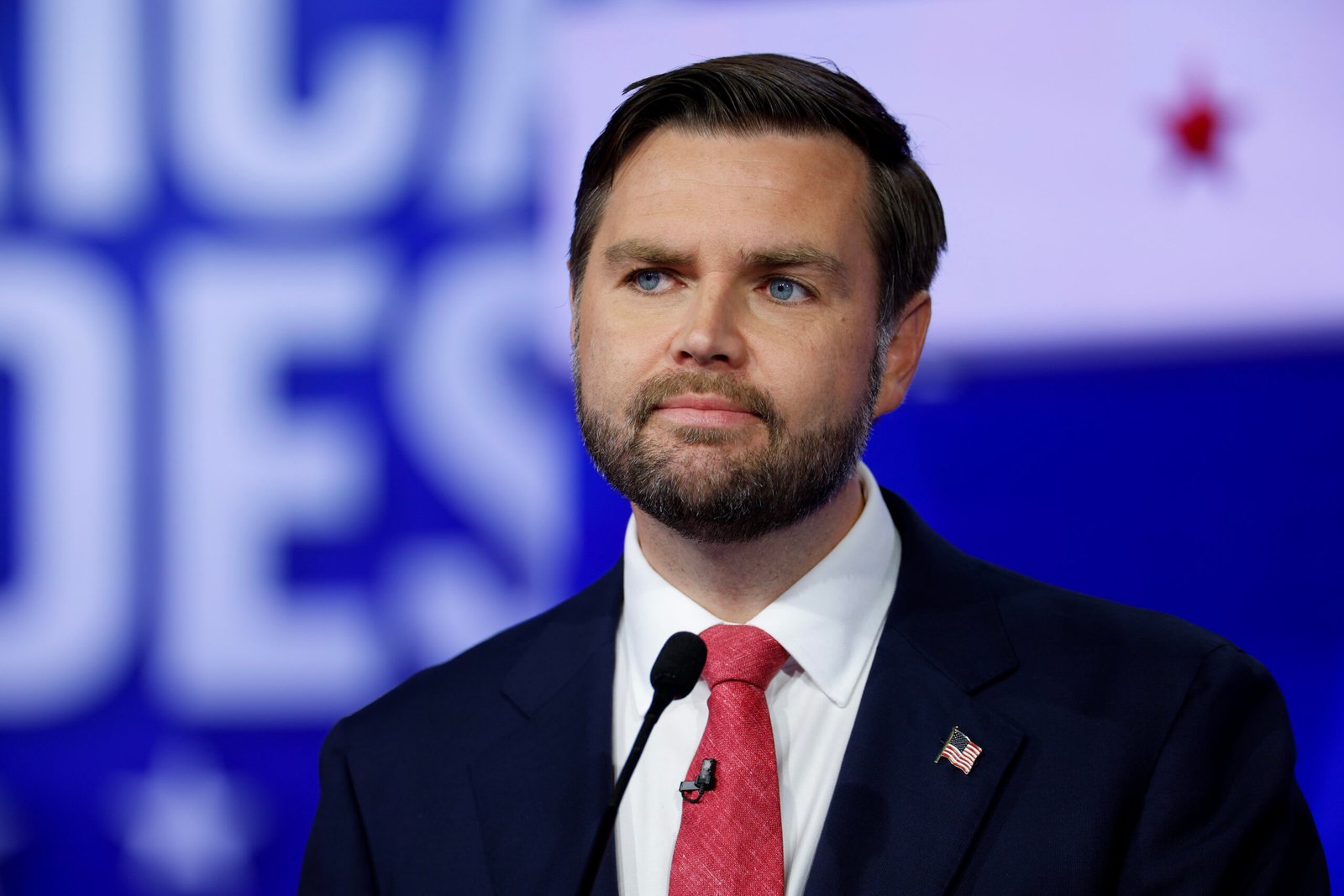
Criminal Investigation Referral became the focus of a growing political dispute after Vice President J.D. Vance announced new action involving Minnesota officials. Meanwhile, federal authorities may review allegations connected to the handling of fraud concerns within publicly funded social service programs. Additionally, the announcement intensified scrutiny surrounding state leadership and previous responses to warnings raised by government employees.
Vance revealed that his office referred allegations involving Minnesota Governor Tim Walz and Attorney General Keith Ellison for federal review. Furthermore, he stated that investigators should examine whether officials properly addressed reports of suspected fraud. According to his remarks, federal authorities will determine whether available evidence supports additional legal action. Consequently, the matter has moved beyond political debate and entered a more formal review process.
Moreover, the allegations stem from claims that state officials received warnings about questionable financial activities. Supporters of the investigation argue that government leaders failed to respond aggressively enough after receiving concerns. Additionally, reports suggest that some employees attempted to raise issues internally before the controversy expanded publicly. Therefore, investigators may examine how officials handled information and whether any oversight failures occurred.
During public remarks, Vance emphasized that authorities should evaluate all available evidence before reaching conclusions. Furthermore, he stated that investigators would determine whether the allegations involve criminal conduct or administrative shortcomings. He also argued that concerns about taxpayer funds deserve careful examination, regardless of political affiliation. Consequently, federal investigators may review communications, decisions, and actions connected to the disputed programs.
Meanwhile, critics of the allegations continue challenging claims that state leaders knowingly ignored warning signs. Additionally, Governor Walz previously rejected accusations that federal actions stemmed from legitimate fraud concerns. Instead, he argued that political motivations influenced several disputes between state and federal officials. Therefore, the disagreement remains both a legal and political issue as investigations continue.
The Criminal Investigation Referral also follows previous federal actions involving funding oversight and program accountability concerns. Moreover, officials connected to federal anti-fraud initiatives have increased attention on government spending across multiple states. As a result, Minnesota’s handling of these allegations has attracted significant national interest from policymakers and watchdog groups.
Ultimately, the Criminal Investigation Referral places renewed focus on transparency, oversight, and accountability within public programs. Meanwhile, investigators will continue reviewing evidence while determining whether further legal action becomes necessary. Until then, both supporters and critics of the investigation await additional findings from federal authorities.