
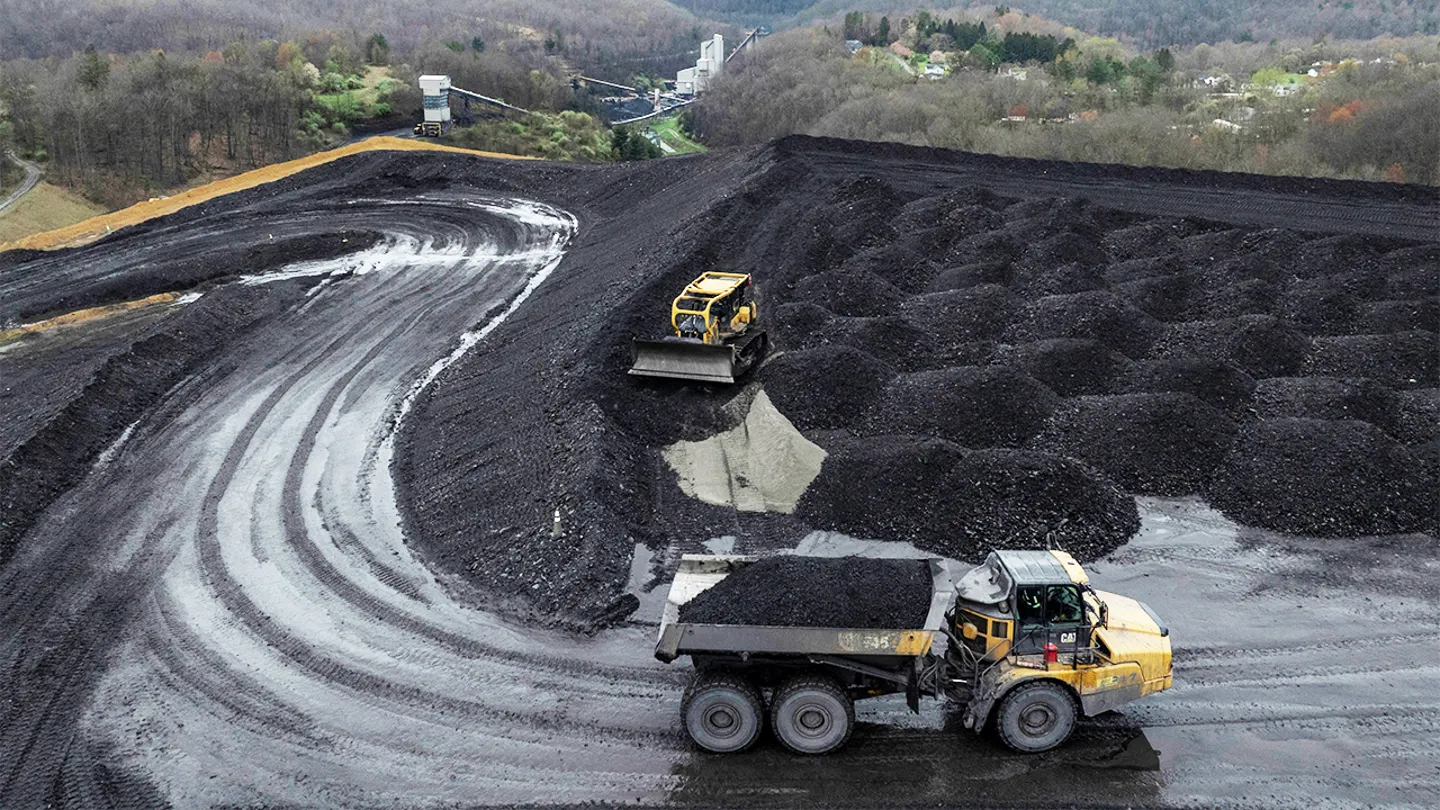
Coal Industry Support stands at the center of a new federal initiative designed to strengthen domestic energy production. The administration announced a package approaching $700 million to assist coal-fired facilities, infrastructure projects, and industry expansion efforts. Additionally, officials described the proposal as part of a broader strategy focused on energy reliability and economic growth.
During a White House event, President Donald Trump outlined plans to use the Defense Production Act to accelerate support for selected coal-related projects. The law grants federal authorities expanded powers when national interests require increased industrial production. Consequently, administration officials argue the measure will help secure dependable energy resources for future demand.
The proposal includes more than $425 million for upgrades at thirteen existing coal-fired power plants. These facilities operate across several states and provide electricity to regional power grids. Furthermore, officials believe modernization efforts will improve efficiency while extending operational lifespans for critical generating stations.
Another portion of the package allocates approximately $185 million toward new coal development projects. These funds would work alongside private-sector investment in multiple states pursuing energy-related expansion. As a result, project developers could move forward with construction plans and additional infrastructure improvements.
Meanwhile, the proposal reserves roughly $75 million for an export terminal project in Northern California. Supporters contend that expanded export capacity could strengthen international market access for American coal producers. Therefore, industry leaders view the infrastructure investment as an important component of future growth opportunities.
Coal Industry Support has become a significant priority as policymakers debate long-term energy requirements. Administration officials argue that increasing electricity demand requires dependable power sources capable of operating continuously. Moreover, they point to rising consumption linked to advanced manufacturing, artificial intelligence systems, and large-scale data centers.
According to government energy data, coal supplied more than half of American electricity generation during the early 2000s. However, utilities gradually shifted toward natural gas and renewable technologies during the following decades. Consequently, coal now represents a much smaller share of national electricity production than it once did.
Supporters of the initiative maintain that coal remains an important energy resource despite changing market conditions. They argue that power plants fueled by coal can provide steady electricity regardless of weather conditions. Additionally, industry advocates emphasize coal’s continued role in manufacturing sectors requiring materials such as steel and cement.
The administration has previously introduced measures aimed at slowing coal plant retirements and expanding production opportunities. Officials also highlighted national security concerns when discussing reliable electricity generation and industrial capacity. Therefore, policymakers continue examining ways to preserve existing energy resources while meeting future demand.
Coal Industry Support also faces criticism from environmental groups and some energy analysts. Opponents argue that utilities increasingly favor alternative energy sources because of changing economics and environmental considerations. Nevertheless, supporters believe coal will continue serving an important role within the nation’s broader energy portfolio.
As discussions continue, lawmakers, industry leaders, and energy experts will closely monitor the proposal’s progress. The funding package represents another major effort to shape America’s future energy strategy while supporting domestic production and infrastructure development.