
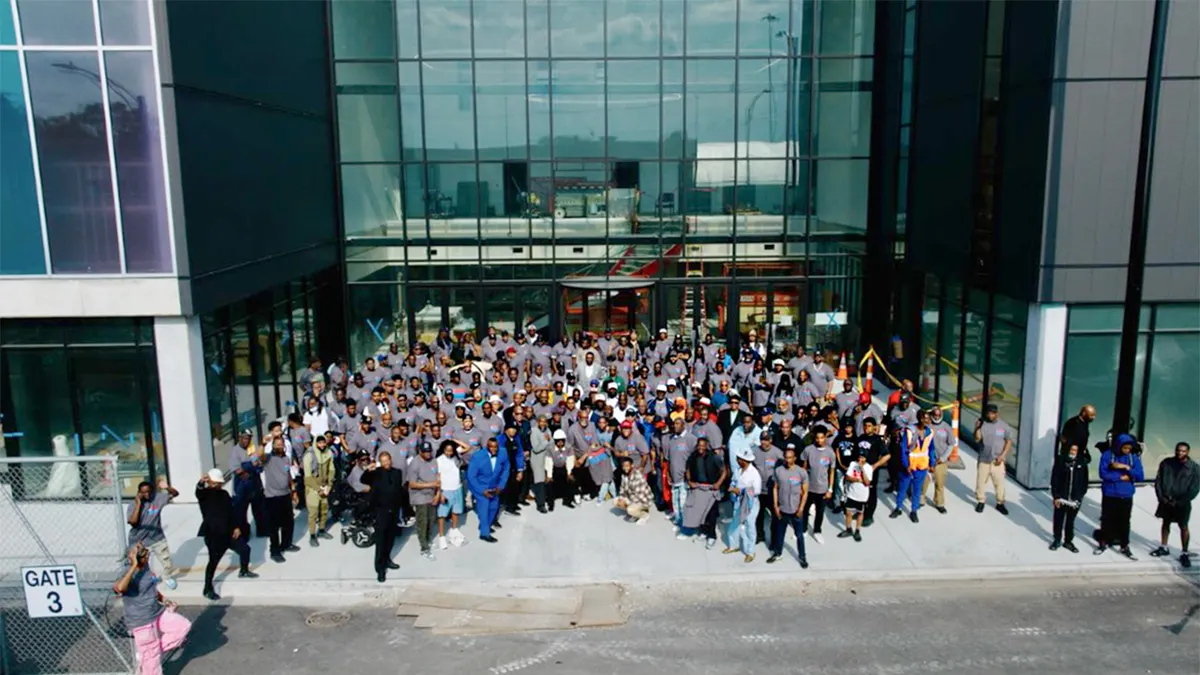
Violence-Free Zone leaders across Chicago’s South Side announced a major anti-violence initiative supporting vulnerable neighborhood residents recently.
A Chicago pastor introduced the Violence-Free Zone campaign while addressing rising safety concerns throughout struggling South Side communities. Community members gathered together during the announcement because residents demanded stronger leadership against continuing violent incidents. Furthermore, organizers emphasized cooperation between churches, families, schools, and businesses, supporting safer neighborhood environments. The initiative immediately attracted attention because residents increasingly fear crime affecting daily activities throughout affected communities.
The pastor explained that community involvement remains essential because residents understand local challenges better than outside officials. Additionally, he encouraged neighborhood leaders to support peaceful conflict resolution through direct communication and youth mentorship programs. Organizers also highlighted educational opportunities, helping younger residents avoid criminal activities, which significantly influence vulnerable communities. Meanwhile, volunteers distributed information explaining available counseling services, mentorship programs, and emergency support resources for families.
Local supporters praised the initiative because many residents experienced devastating consequences resulting from repeated neighborhood violence recently. Several parents attending the gathering explained that safety concerns regularly affect children traveling throughout the surrounding communities daily. Consequently, many families increasingly support programs encouraging positive development opportunities for vulnerable young residents across Chicago. Organizers therefore promised consistent outreach efforts, strengthening relationships between residents, churches, and local educational institutions continuously.
The pastor also criticized ongoing violence because many innocent families continue suffering emotional and financial hardships afterward. However, he stressed communities cannot depend entirely upon government institutions to solve neighborhood safety concerns independently. Instead, he encouraged residents to build stronger relationships, encouraging accountability, cooperation, and compassion throughout the surrounding neighborhoods consistently. Community leaders additionally emphasized that faith-based organizations remain important sources supporting struggling residents during difficult circumstances across Chicago.
Violence-Free Zone organizers announced future outreach events involving mentorship activities, educational workshops, and neighborhood safety discussions regularly. Furthermore, volunteers plan to organize after-school programs helping students develop leadership skills through constructive community involvement opportunities. Local churches participating in the initiative also promised to support families experiencing emotional trauma connected with violent incidents recently. Consequently, residents attending the event expressed optimism regarding future improvements, strengthening safety throughout affected neighborhoods gradually.
Several community advocates explained that violence prevention requires long-term dedication because challenges continue affecting many vulnerable neighborhoods repeatedly. Therefore, organizers encouraged businesses to support employment opportunities, helping younger residents avoid dangerous situations connected with criminal behavior. Community members additionally discussed expanding partnerships, strengthening cooperation between educational institutions and local organizations throughout Chicago neighborhoods. Many supporters afterward described the initiative as an important step, encouraging lasting improvements benefiting future generations significantly.
Violence-Free Zone supporters finally concluded the gathering while encouraging residents to remain united against continued violence throughout Chicago communities. Organizers promised to maintain momentum because stronger neighborhood cooperation could eventually reduce violence affecting countless families every year. Meanwhile, residents expressed hope regarding future progress because community-driven solutions increasingly inspire meaningful conversations throughout struggling neighborhoods.

